The answer: a pull-behind lawn plugger (a lawn plug aerator) is ideal for homeowners seeking deeper soil aeration, better thatch management, and stronger root growth. These units attach to a tractor or ATV and press or pull metal cores into the soil. They are best for medium to large lawns, where time and effort savings matter. This guide highlights five top options, explains who each is best for, and shows how to compare depth, width, and ballast features to match your yard goals.
Summary table of selected products:
- Agri-Fab 45-0299: 48″ width, 32 galvanized knives, deep plugs up to 3″ — best for thick lawns with heavy compaction.
- Agri-Fab 45-0518: 40″ width, 24 knives, 2″–3″ depth potential with universal hitch — best for mid-sized lawns seeking solid core depth.
- YINTATECH 48″ Tow Behind: 32 knives, 2″ depth, robust all-steel build — best for durability and wider coverage.
- CRAFTSMAN 40″: 24 knives, 3″ depth, ballast tray up to 140 lbs — best for tougher soils that need ballast assist.
- Suchtale 40-Inch Tow Behind: 24 plugs, two-piece bar, rust-resistance — best for easy setup and balanced performance.
Agri-Fab 45-0299 48″ Tow Behind Lawn Plug Aerator
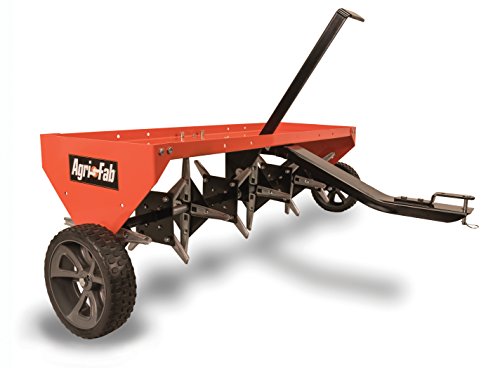
Brand: Agri-Fab
Features: MADE IN USA, 32 galvanized knives to penetrate the soil easily, pulls plugs up to 3 inches deep for thicker and healthier lawn.
Who this is best for: Homeowners with large, dense lawns that require significant soil penetration and durable construction. Why selected: The 48″ working width and 32 knives provide aggressive core penetration, enabling fast treatment of compacted zones.
Caution or limitation: Heavier weight and more aggressive core action may require a heavier towing vehicle and careful maneuvering on uneven ground.
Agri-Fab 45-0518 40″ Tow Behind Lawn Plug Aerator
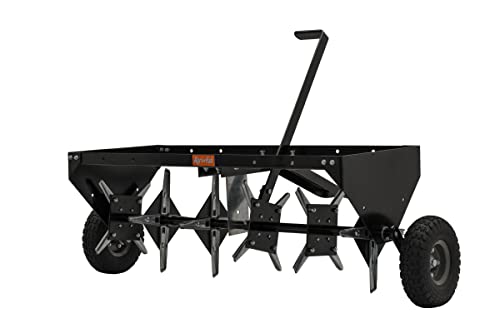
Brand: Agri-Fab
Features: MADE IN USA, 40-inch wide working width, 24 galvanized and sharpened plug coring knives.
Who this is best for: Mid-sized lawns where balance between working width and maneuverability matters. Why selected: The 40″ width provides ample coverage without sacrificing too much turning radius or equipment strain.
Caution or limitation: The depth may depend on soil conditions; ensure ballast or weight distribution is managed for preferred plug depth.)
YINTATECH 48″ Tow Behind Lawn Aerator

Brand: YINTATECH
Features: 48″ working coverage, 32 galvanized steel tines, adjustable high-strength brackets, 2″ soil aeration depth, eight steel spike disks that promote oxygen, water, and nutrient transport to roots.
Who this is best for: Gardeners needing broad coverage with robust steel construction for long-term durability. Why selected: All-steel build and a dependable 2″ depth help combat soil compaction while maintaining mower-friendly width.
Caution or limitation: Some users may require additional ballast to reach deeper cores in very hard soils.
CRAFTSMAN 40″ Tow Behind Lawn Plug Aerator
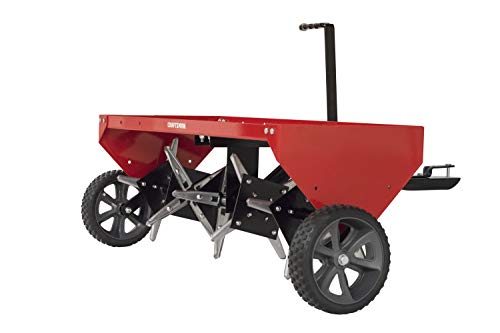
Brand: CRAFTSMAN
Features: 24 galvanized steel coring points pull plugs up to 3 inches deep, wide width weight tray supports up to 140 lb ballast for tougher coring action.
Who this is best for: Those facing compacted soils that require extra ballast for deeper cores. Why selected: The ballast tray helps push cores deeper without needing a heavy tractor or extra ballast belts.
Caution or limitation: Requires setup and ballast management; deeper cores may require slower passes and precise alignment on slopes.
Suchtale 40-Inch Tow Behind Plug Aerator

Brand: Suchtale
Features: Durable structure with 6 spools of integral aerator knives; 24 coring plugs up to 2″ deep; two-piece universal hitch; rust-resistant, easy to assemble and use.
Who this is best for: Buyers who want a balance of depth and ease of setup, with reasonable price and reliable rust resistance. Why selected: The 2″ depth cap on a 40″ model suits moderate soil compaction and lawn care tasks.
Caution or limitation: Depth is shallower than some competitors; consider soil condition and desired depth before purchase.
Buying Guide
What to consider when choosing a pull-behind lawn plugger:
- Soil depth and core size: Look for models that offer 2″–3″ core depths. Deeper cores improve drainage and root access but require heavier ballast and sturdier equipment.
- Working width: Wider units cover more ground per pass but need more towing power and clearance. For tight spaces or narrow lawns, 40″ models often strike a good balance.
- Material and durability: Galvanized knives resist rust and extend life. All-steel frames with powder coatings resist bending and corrosion in tough conditions.
- Weight and ballast: A built-in weight tray helps drive the coring action in hard soils. Consider whether your tractor or ATV can safely handle added ballast.
- Hitch compatibility: Universal hitches simplify pairing with many tractors and ATVs. Check the hitch type and pin requirements before buying.
- Maintenance needs: Some units require more frequent adjustment of tines and bar alignment. Favor models with clear assembly instructions and readily available replacement parts.
- Ease of use: Two-piece bars, clear assembly guides, and transport wheels make operations smoother, especially on uneven ground.
- Terrain suitability: Heavier frames and wider decks perform better on larger, flat lawns. Sloped or rocky terrain may demand lighter models with tighter turning radii.
Frequently Asked Questions
- What depth should I aim for with a lawn aerator? Depths of 1–3 inches are common. Deeper cores (2–3 inches) improve root access and drainage but require proper ballast and tractor power.
- Will a 48″ aerator cover more ground than a 40″ model? Yes, a 48″ model typically covers more area per pass, reducing overall treatment time on large lawns.
- Do I need ballast for all pull-behind aerators? Not always, but ballast helps achieve consistent core depth, especially in compacted or dry soils.
- Can I use these on a small yard? Smaller yards may benefit from 40″ models for better maneuverability and control.
- Are these units easy to assemble? Many models include step-by-step instructions and simple hitch setups; check customer reviews for assembly tips.
- How do I maintain a lawn plug aerator? Clean knives after use, inspect for bent tines, lubricate moving parts, and store in a dry area to prevent rust.