Protecting vegetables from cold snaps, pests, and birds is essential for a healthy harvest. The following picks focus on reliable frost protection, netting, and barrier solutions designed for backyard gardens and greenhouses in the United States. Each product targets common threats to vegetables, from frost and freezing temperatures to pests and birds, while keeping water, light, and airflow in mind. Read on to compare features and find the right protection strategy for your plots.
Summary of Selected Products
- Cahomo White Plant Covers Freeze Protection (10 x 10 ft, 1.5 oz/yd²)
- Garden Netting Mesh (10X100 FT) with 16 Clips
- Feitore Deer Fence Netting (7 x 100 Feet)
- Pop Up Garden Mesh Plant Cover (2 Pack)
- Garden Netting Pest Barrier (4’x10′)
Cahomo Frost Protection Plant Cover
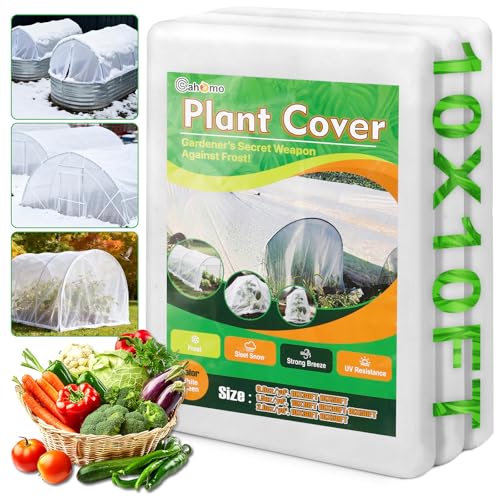
The Cahomo frost cover is a lightweight, 100% polypropylene non-woven fabric designed to shield outdoor plants and vegetables from frost and cold waves. Its 3% UV-treated surface helps regulate sunlight to prevent overheating while maintaining tensile and tear resistance for durability. The fabric forms a microporous barrier that reduces cold air exposure and elevates the local temperature around plants, helping them survive winter stress. It’s adjustable, easy to cut, and can be secured with straps or pins in windy areas. After use, it’s recommended to clean debris to keep the cloth dry.
Key benefits include: fast deployment, flexible sizing for DIY fitting around trees and beds, and reusability across multiple seasons. This option is well-suited for growers seeking a simple frost shield that preserves plant vigor without investing in a full greenhouse. It’s particularly effective for early-season protection where frost risk remains high.
Froidesente Garden Netting With Clips

This ultra-fine garden netting measures 10×100 feet and comes with 16 garden clips to secure it over hoops. The mesh design is small enough (0.8 x 1 mm) to deter pests, birds, and larger creatures while still allowing water, air, and light to reach plants. It’s easy to tailor to your beds by trimming and clipping as needed, and the included clips help maintain tension and coverage during windier days. This option emphasizes pest exclusion for vegetables without sacrificing photosynthesis or irrigation efficiency.
Advantages include scalable coverage for large plots, DIY sizing, and reusable performance. It’s ideal for gardeners confronting persistent insect or bird pressure who still want to maintain a productive growing environment. Proper installation around frames or hoops enhances reliability in adverse weather.
Feitore Deer Fence Netting
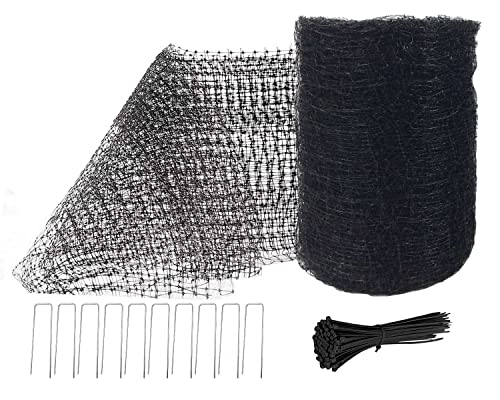
Feitore’s deer fence netting provides a robust barrier against larger animals and birds. Spanning 7 feet by 100 feet, its 3/4-inch square mesh prevents deer, birds, and other intruders from reaching vegetables, fruit trees, and shrubs without harming wildlife. Made from polypropylene, it’s lightweight, reusable, and resistant to rust and rot. Accessories include installation nails and cable ties to aid setup, making it straightforward to deploy over open beds or around perimeters. The netting can also double as bird or rabbit protection in mixed gardens.
Important considerations are retraining to local critters and ensuring tension is maintained to avoid sagging. This option is well-suited for gardens facing frequent animal intrusion, offering a long-term, reusable solution with minimal maintenance required between seasons.
DredQcco Pop Up Garden Mesh Cover

This 2-pack set provides pop-up plant covers that deploy quickly without tools. The tent-like design uses four stakes to secure it against wind, and its translucent mesh allows sunlight and irrigation water to reach plants while blocking pests. The covers fold compactly for storage when not in use. They’re particularly convenient for protecting seedlings, herbs, or small vegetable patches within raised beds or row covers. The design aims to reduce plant damage from birds and larger pests while maintaining a favorable microclimate around greens and herbs.
Consider ease of use, portability, and storage needs. The two-pack setup offers flexibility for different bed sizes or seasons, and the built-in stakes help maintain shape in windy sites. It’s a practical choice for gardeners seeking temporary, adjustable protection that won’t disrupt ongoing care like watering or fertilizing.
Garden Netting Pest Barrier 4×10
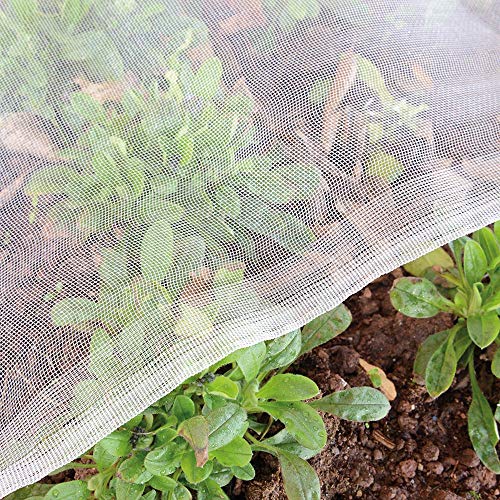
This 4×10-foot pest barrier uses a fine HDPE mesh designed to deter insects and small animals from vegetables, fruits, and flowers. It emphasizes UV resistance and durability, with a tight weave to prevent pests while still allowing air and moisture movement. Suitable for row covers, raised beds, and greenhouse perimeters, it can be updated for seasonal needs through trimming and proper anchoring. The barrier aims to reduce pest damage without requiring chemical interventions, supporting a more sustainable approach to protected cultivation.
Best practices include ensuring the mesh remains taut and unobstructed by debris. It’s a versatile option for gardeners who want a reusable barrier that can cover multiple bed layouts and adapt to different plant heights throughout the growing season.
Buying Guide: Key Purchase Considerations And Comparisons
- Protection goals: Frost/temperature protection focuses on insulating fabrics like frost cloths; pest protection relies on netting with small mesh; animal barriers emphasize sturdier fencing or heavy-duty nets.
- Mesh size and density: Smaller mesh (0.8-1 mm) is better for tiny insects and birds, while larger gaps admit beneficial pollinators and water.
- Durability and reuse: Consider fabric weight (oz/yd²), UV resistance, and whether the product can withstand wind and repeated seasonal use without tearing.
- Ease of installation: Pop-up covers, drawstrings, and pre-attached clips streamline setup; consider whether you need hoops, stakes, or nails for anchoring.
- Garden size compatibility: Large plots may benefit from long nets (10×100 ft) or multi-pack options; smaller beds might require cut-to-fit fabrics or 4×10 barriers.
- Maintenance: Look for products that shed debris easily, resist staining, and allow irrigation and fertilization without removal.
- Environmental considerations: Reusable, non-toxic materials are preferable for sustainable gardening and for protecting non-target wildlife.
- Replacement and storage: Choose items that fold or roll compactly and come with accessories like clips or bags for easy storage.
When selecting protection for a vegetable garden, pair frost protection with a pest barrier for comprehensive coverage. For smaller gardens, lightweight, easy-to-deploy options may suffice. Larger plots might require a combination of nets and sturdy fencing to prevent both insect damage and animal intrusion. Prioritize breathable materials to maintain plant health while shielding crops from harsh conditions, and plan for season-long coverage aligned with local climate patterns.