Pressure treated wood needs stains that penetrate, protect, and enhance outdoor durability. This guide highlights five top options that suit different project needs, from clear protective finishes to rich color oils. The best pick depends on whether you want insect deterrence, a natural look, ease of application, or long-lasting color. Each product below is evaluated for best-use scenarios, with practical buyer notes to help you choose.
Who should consider these products?
– For added insect and rot protection on exterior timber, consider preservative treatments with proven outdoor performance.
– For natural wood aesthetics with deep penetration, look for timber oils designed to highlight grain.
– For DIY projects with broad indoor-outdoor use, opt for water-based or solvent-based stains that balance ease and durability.
– For large decks and fence sections, choose finishes that offer low maintenance and fewer coats over time.
Selected products at a glance:
- Wolman 1904A WoodLife CopperCoat Green Wood Preservative, Quart – clear green preservative with termite and rot protection for below-ground and ground-contact installations.
- Rust-Oleum WoodLife 902 Wolman Classic Clear Wood Preservative – clear, above-ground protection with durable performance.
- Ready Seal 512 Natural Cedar Exterior Stain and Sealer – no primer required, single-coat application, color develops over ~14 days.
- Boncart Water-Based Wood Stain – water-based, non-toxic, suitable for indoor and outdoor wood items with a semi-transparent finish.
- Cabot Australian Timber Oil – timber oil that delivers three-way protection and deep penetration for a natural look.
Wolman 1904A CopperCoat Green Wood Preservative

best for: exterior untreated or pressure-treated wood that may face moisture, soil contact, or fresh water environments. This EPA-registered preservative combines insecticidal protection with rot and decay prevention. It’s designed to shield wood in below-ground, ground-contact, freshwater, or above-ground installations. The transparent, natural green tint helps signal treated areas without masking grain. Use when you need a durable barrier against termites and wood-boring insects while maintaining outdoor timber visibility.
Why this product stands out: It provides a robust combination of insect deterrence and rot resistance, making it a practical choice for decks, fences, and utility structures that experience soil or moisture exposure. The clear color preserves a natural wooden look while offering protection.
Limitations: This is a preservative first and a color second. If you want a strong decorative stain with rich color, this option emphasizes protection and may require a separate topcoat for certain finishes.
Rust-Oleum WoodLife 902 Wolman Classic Clear Wood Preservative

best for: project demands a simple, clear preservative with durable performance on above-ground exterior wood. It is easy to apply and manufactured in the United States. This option is ideal for preserving bare wood while maintaining a natural appearance, making it a good choice for wood structures where visibility of the wood grain matters more than color.
Why this product stands out: The combination of ease of use and clear, protective qualities makes it a practical DIY choice for quick deck and fence touch-ups, or when you want a straightforward conservation product without color interference.
Limitations: As a clear preservative, it won’t provide color or dramatic shading. For stained looks or color customization, consider other products in this guide.
Ready Seal 512 Natural Cedar Exterior Stain and Sealer
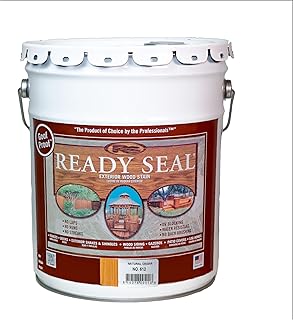
best for: larger outdoor wood projects where a one-step stain and sealer is preferred, especially for cedar or light-toned woods. This product requires no primer and should be approached with the understanding that it darkens over time. It can be applied with a sprayer, roller, or brush, and it minimizes back brushing while preventing runs, laps, or streaks.
Why this product stands out: The single-coat approach simplifies staining workflows for decks, fences, and outdoor furniture. It’s suitable for projects that prioritize speed and uniform coverage over deep tonal shifts.
Limitations: The true color develops over about 14 days and it should not be applied over painted or freshly stained surfaces. It may require reapplication depending on exposure and wear.
Boncart Water-Based Wood Stain (Teak)

best for: indoor and outdoor wood items and furniture where non-toxicity is a priority. This water-based formula offers high permeability, long-lasting color, and is well suited for light-colored or unpainted wood. It’s a practical option when you want to emphasize the natural grain with a semi-transparent finish.
Why this product stands out: It balances safety with performance, delivering even color distribution across various wood surfaces while avoiding harsh chemical exposure. It is especially suitable for DIY projects where transparency and grain highlight are desired.
Limitations: Not recommended for dark-colored or heavily painted surfaces, which may limit color versatility for certain projects.
Cabot Australian Timber Oil Wood Stain and Protector – Jarrah Brown

best for: outdoor timber surfaces that require strong penetration and a natural wood tone. This timber oil provides three-way protection and is designed to penetrate dense woods deeply, delivering a durable finish that enhances natural color and grain. It’s well suited for decks, fences, and other exterior wood features exposed to harsh elements.
Why this product stands out: Cabot’s Australian Timber Oil blends oils to create improved protection against weathering while preserving the wood’s natural beauty. It offers a richer tone that can outperform basic sealers in long-term color retention and depth.
Limitations: Oil-based finishes may require longer cure times and ventilation during application. It is important to follow surface preparation recommendations for best results.
Buying Guide: Key Purchase Considerations
What should you think about before buying a pressure treated wood stain? Consider these practical questions to guide your choice.
- What is the wood’s exposure? Indoors or covered areas require less protection than decks, fences, or ground-contact wood where moisture and insects are common.
- Do you want color or clear protection? If you prefer natural wood looks, choose penetrating oils or clear preservatives. For color, select stains that emphasize grain and provide UV protection.
- Is odor or toxicity a concern? Water-based formulas are generally less toxic and easier to clean up, while oil-based finishes tend to offer longer wear in exposure-heavy environments.
- How much maintenance are you willing to perform? Some finishes require re-coating every few years, while others offer longer intervals between applications.
- What is the wood type and condition? Pressure-treated wood can accept various finishes, but dense woods may require longer curing times and multiple coats to achieve even color and protection.
FAQ
- What is the best stain for pressure-treated wood in high-moisture areas?
Look for a water-repellent preservative or timber oil with rot and insect protection. A clear or lightly tinted option can provide protection without obscuring grain.
- Can I apply stain directly to pressure-treated wood?
Yes, but ensure the wood is clean, dry, and free of mill glaze. Some products require a prep step or primer for optimal adhesion.
- How often should I reseal outdoor wood?
It depends on the product and exposure. Exterior decks and fences may need reapplication every 1–3 years, while low-traffic indoor items last longer between coats.
- Are oil-based stains better than water-based for outdoor use?
Oil-based stains often offer deeper penetration and longer wear in sun and moisture, while water-based formulas are easier to clean up and typically lower in odor.
- Do stains protect against insects?
Some products include insecticidal or preservative components designed to deter termites and wood-boring insects, which is beneficial for ground-contact or outdoor wood that faces pest pressure.
- Should I seal after staining?
Many stains include sealing properties or require a separate sealant. Check the product instructions to determine whether a topcoat is recommended.
Product Comparison At a Glance
| Product | Best For | Finish Type | Notes |
|---|---|---|---|
| Wolman 1904A CopperCoat Green Wood Preservative | Pressure-treated wood exposed to soil or moisture | Transparent green preservative | Insect protection plus rot decay prevention |
| Rust-Oleum WoodLife 902 Wolman Classic Clear Wood Preservative | Above-ground outdoor wood | Clear preservative | Easy application; protects without color |
| Ready Seal 512 Natural Cedar Exterior Stain | Decks and fences; quick, one-coat application | Natural cedar color; semi-transparent | No primer; color deepens over ~14 days |
| Boncart Water-Based Wood Stain (Teak) | Indoor/outdoor wood items seeking non-toxicity | Semi-transparent wood stain | High permeability; not for dark-painted surfaces |
| Cabot Australian Timber Oil Wood Stain (Jarrah Brown) | Outdoor timber with deep, natural look | Timber oil finish | Deep penetration; three-way protection |