Spider mites can threaten indoor and outdoor gardens, but selecting effective predators and mitigation sprays can help keep populations in check. This article highlights top products that target spider mites and related pests, with accessible options for home gardeners and small farms. The focus is on natural and low-toxicity approaches that support integrated pest management.
| Product | Brand | Key Benefit |
|---|---|---|
| 25,000 Predatory Mite Blend | NaturesGoodGuys | Natural enemies of spider mites and related pests; indoor/outdoor use |
| Grower’s Ally Spider Mite Spray | Grower’s Ally | Botanical, OMRI listed; kills and repels mites on contact |
| BioAdvanced 3 in 1 Insect, Disease & Plant Mite Control | BioAdvanced | Miticide, fungicide, and insecticide in one product |
| Mite Treatment Spray – 16 oz | USKICH | Natural, plant-based formula; broad mite coverage for homes and gardens |
| Mite Killer Spray by Mite-Be-Gone | Naturasil | Natural, plant-based; kills many mite types and safe around family |
Below are five selected products commonly used to address spider mites, with concise, objective details to help you compare approaches—predatory biocontrol, botanical sprays, and multi-threat treatments.
25,000 Predatory Mite Blend

These predatory mites act as natural enemies of common spider mites and related mites, offering a biological control option for potted plants and outdoor beds. The blend typically includes P. persimilis, N. californicus, A. cucumeris, and A. swirskii, depending on availability. Suitable for indoor and outdoor use, they seek out and feed on mite eggs and juveniles, helping reduce populations with minimal chemical intervention. Ideal for early-season releases or in greenhouses where beneficial insects can thrive without disrupting plant care routines.
Grower’s Ally Spider Mite Spray
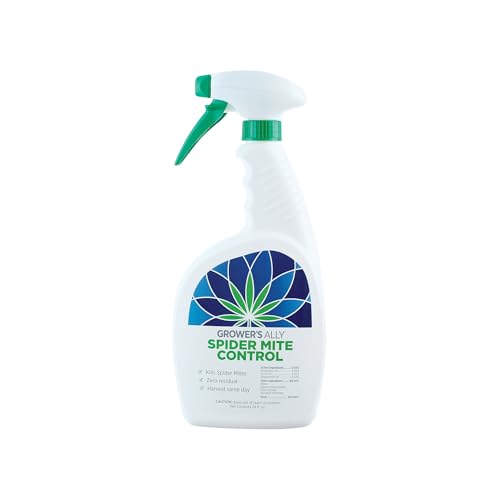
This ready-to-use spray uses a botanical blend designed to kill and repel soft-bodied insects, including spider mites, on contact. It is FIFRA 25(b) exempt and OMRI Listed for organic gardening, with rosemary, clove, and peppermint oils as its active components. The formulation aims to paralyze pests on contact and can be used preventatively to deter mite activity while supporting plant health with a natural approach. Safe for use in homes and gardens where organic methods are preferred.
BioAdvanced 3 in 1 Insect, Disease & Plant Mite Control

This multi-action spray provides a triple effect: miticide, insecticide, and fungicide. It targets multiple threats, including mites, aphids, whiteflies, and certain plant diseases. While not exclusively a predatory solution, it offers a broad-scope tool for integrated pest management when mites coexist with other pests and fungal issues. Use as directed to balance pest suppression with plant care, particularly in environments where fungi and disease pressure is a concern.
Mite Treatment Spray – 16 oz

USKICH Mite Treatment Spray offers a natural, non-toxic option aimed at a broad range of mites, including dust mites, spider mites, and indoor/outdoor pests. The formula emphasizes safety for people and pets when used as directed, making it suitable for homes with allergy or asthma considerations. It targets multiple mite life stages and can be used on furniture, bedding, and fabric to reduce mite populations and improve indoor air quality.
Mite Killer Spray by Mite-Be-Gone

Naturasil’s Mite Killer Spray uses a natural, plant-based formula designed to kill a wide range of mites, including human mites, chicken mites, bird mites, dust mites, spider mites, and more. The product emphasizes safety around families, pets, and livestock, making it suitable for homes, farms, and agricultural settings. It can help reduce indoor mite populations and can be used on furniture, bedding, and other fabric surfaces to create a less hospitable environment for mites.
Buying Guide: Key Purchase Considerations And Comparisons
- Biocontrol vs. chemical approaches: Predatory mite blends and plant-based sprays offer environmentally friendly options, while broad-spectrum miticides may provide quicker knockdown but with considerations for resistance and non-target effects.
- Indoor vs. outdoor use: Some products are formulated for greenhouse or container gardens, while others are suitable for homes, bedding, and upholstery. Check compatibility with crops, plants, and living spaces.
- Safety and organic labeling: OMRI-listed products and FIFRA 25(b) exemptions indicate suitability for organic gardening. For households with children and pets, prioritize non-toxic, plant-based formulas.
- Mode of action and timing: Predatory mites require release timing aligned with pest life stages; sprays may be more effective at first signs of mites but may require repeated applications.
- Resistance and diversity: Using a combination of predatory biocontrol, botanical sprays, and targeted miticides can reduce the chance of mites developing resistance and help manage multiple pests simultaneously.
- Storage and shelf life: Some products contain live beneficials that require proper storage and timely application to maximize viability and effectiveness.
- Application considerations: Follow label directions for coverage, dosage, and safety gear. Preventative use can help establish a protective barrier, while curative use aims to reduce existing populations.
- Integrated pest management (IPM) fit: Combine monitoring (sticky traps, visual checks) with selective interventions to minimize chemical load while protecting plants and habitats.