When dealing with spider mites, natural predators can provide effective, chemical-free relief. This article highlights five predator-based options and plant-based repellents that target spider mites and related pests. The selections are best for home gardeners, small farms, and indoor plant enthusiasts seeking safe, biological control methods. Use this guide to compare product goals, application timing, and suitability for indoor vs. outdoor use.
| Product | Best For | Key Benefit |
|---|---|---|
| Bug Sales Predator Mites (2,000) | Small to moderate infestations | Mix of predator species; frequent releases |
| Mighty Mint Peppermint Oil Spray | Indoor/outdoor general pest deterrence | Plant-based, scent-driven barrier |
| Bug Sales Predator Mites (5,000) | Heavier infestations | Higher mite release rate per area |
| BugMD Spider Repellent Indoor/Outdoor | Prevention and deterrence | Natural mint-based spray with long-lasting barrier |
| NaturesGoodGuys Orius Insidiosis | Small pests including thrips and mites | Effective against multiple soft-bodied pests |
Bug Sales Predator Mites (2,000)

Best for small to moderate spider mite outbreaks in home gardens or greenhouse spaces. This mix of predatory mite species provides a broad initial pressure against two-spotted spider mites, broad mites, russet mites, rust mites, and related pests. Release recommendations suggest applying every other week until the infestation subsides, with consideration given to square-foot coverage and existing populations. The blend aims to diversify predation strategies, increasing the chance of mites encountering prey across different microhabitats.
Gardeners with early-stage infestations who want a ready-to-release biological control and a simple maintenance plan. Ideal for growers who prefer natural methods and can schedule repeated releases without chemical interference.
Effectiveness depends on environmental conditions and regular reintroductions. In extremely heavy infestations, predators may require supplemental measures or additional releases to achieve noticeable control.
Mighty Mint Peppermint Oil Spray

Best for households seeking a plant-based, pet-friendly option with broad repellent and deterrent properties. This indoor/outdoor spray uses extra-concentrated peppermint oil and geraniol to repel and deter spiders and other insects. The formula is designed to protect entryways, baseboards, patios, and living spaces without harsh fumes. It is particularly suitable for homes with kids and pets when used as directed and applied to accessible surfaces.
Who should consider this product? Homeowners and apartment dwellers who want an easy-to-use, scent-based barrier that complements beneficial insects and predatory mites rather than replacing them entirely.
Caution / Limitation: Peppermint-based sprays may need frequent reapplication in outdoor conditions and can leave a transient scent that some people or pets may notice more than others.
Bug Sales Predator Mites (5,000)

Best for heavier mite pressures or larger growing areas where higher biological pressure is beneficial. This offering provides a larger release count with a similar mix of predator species, supporting rapid establishment and sustained predation across a broader area. It is well-suited for ongoing mitigation in greenhouses or larger garden plots where repeated introductions are practical.
Who should consider this product? Growers facing persistent spider mite pressure or those managing multiple crops across larger spaces who want to maximize predation with fewer releases.
Caution / Limitation: Higher-volume orders require careful timing and proper distribution to avoid clustering predators in a single location and to ensure even coverage.
BugMD Spider Repellent Indoor & Outdoor
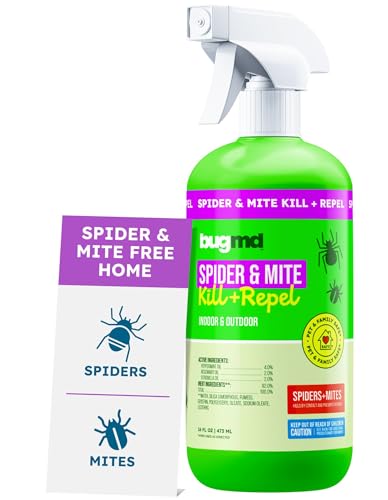
Best for preventive protection and ongoing deterrence rather than direct predation. This mint-based spray combines peppermint oil with natural ingredients to create a barrier that repels spiders and other pests, both indoors and outdoors. The formula emphasizes a chemical-free scent that remains for a period after application, helping to reduce re-entry by pests into treated zones.
Who should consider this product? Anyone seeking a safe, ongoing repellent strategy that pairs with predator releases to reduce reinfestation risk in living areas and gardening spaces.
Caution / Limitation: Sprays may require periodic reapplication, especially in outdoor environments exposed to wind, rain, or heavy sunlight.
NaturesGoodGuys Orius Insidiosis

Best for targeting multiple soft-bodied pests, including thrips, aphids, whiteflies, mites, and eggs. Orius insidiosis are tiny generalist predators that can operate indoors and outdoors, offering a flexible option for integrated pest management. They are especially valuable when a grower wants to address a variety of pests beyond spider mites, providing broader biocontrol coverage.
Who should consider this product? Gardners and greenhouse operators who prefer a broad-spectrum predator that reduces several pests at once and adapts to different environments.
Caution / Limitation: Releases should align with crop stages and pest presence; mis-timed introductions can limit predation efficiency in some crops.
Buying Guide: Key Factors for Predator-Based Spider Mite Control
What should you consider when choosing predator-based solutions for spider mites?
- Infestation scale: For light to moderate spider mite pressure, a mix of predators or a single efficient predator may suffice. For heavier outbreaks, larger release counts or multiple agents can improve results.
- Environment: Indoor spaces, greenhouses, and covered patios may maintain stable humidity and temperatures that favor predators. Outdoor spaces can introduce variability due to weather.
- Compatibility: If you plan to use plant-based repellents, ensure they do not counteract beneficial predators. In many cases, combining biological control with deterrents yields the best long-term results.
- Release timing: Start releases early in the pest cycle to prevent explosive population growth. Regular monitoring helps schedule subsequent applications.
- Safety and maintenance: Natural products and sprays may require reapplication. Follow label directions to protect family, pets, and plants while maximizing efficacy.
Frequently Asked Questions
- What are predatory mites best for against spider mites?
Predatory mites primarily reduce two-spotted spider mites and related mite species, offering a biological control method that minimizes chemical inputs.
- Can plant-based repellents replace predators?
Plant-based repellents deter pests and can reduce pest pressure, but they are usually complementary to predator releases rather than a stand-alone solution for established infestations.
- How often should I release predatory mites?
Release frequency depends on the infestation level and product guidance. For initial control, bi-weekly releases are common, with adjustments based on monitoring results.
- Are these products safe for pets and humans?
Most plant-based repellents and biological controls are designed to be pet- and family-friendly when used as directed. Always read labels and apply outdoors or in well-ventilated spaces as recommended.
- What is the difference between mites and Orius insidiosis?
Predatory mites are microscopic predators that feed on mite eggs and larvae, while Orius insidiosis are minute pirate bugs that prey on a wider range of soft-bodied pests, including mites and thrips. Both can be part of an integrated pest management strategy.
- Should I mix predator releases with chemical treatments?
Avoid mixing with broad-spectrum chemicals that can harm beneficial predators. Use chemical controls only if necessary and in a way that minimizes disruption to biocontrol agents.