Choosing the right seed-starting pots can improve germination rates, root health, and transplant success. This guide highlights five highly-rated, plant-based or biodegradable options that support strong roots, reduce transplant shock, and align with sustainable gardening practices. Each product section below includes a quick image, a direct purchase link, and key features to help you compare at a glance.
Comparison Snapshot Of Selected Seed Starter Pots
| Product | Format | Key Benefit | Where To Buy |
|---|---|---|---|
| Back to The Roots Organic & Plantable Seed Starting Pots (24 CT) | Biobased, plantable pots | No glues or binders; breathable, reduces transplant shock | Amazon |
| Back to The Roots Organic & PLANTABLE 4.25″ Wide Seed Starting POTS (8 CT) | 4.25″ wide plantable pots | Versatile for various seeds; strong drainage | Amazon |
| JOYSEUS 3.25″ Seed Starter Pots | 3.25″ peat pots | Eco-friendly, breathable; easy transplanting | Amazon |
| ARGCONNER 200 Cells Peat Pots | Peat pots with 20 trays | Excellent aeration; ready for direct transplant | Amazon |
| Jolliance 60 Pack 4” Peat Pots | 4″ peat pots with labels | Biodegradable; includes labels for seed tracking | Amazon |
Note: All products listed are designed to minimize transplant shock and support healthy root systems by encouraging breathable soil conditions and easy transplantation. The selections emphasize biodegradable or plantable options that align with sustainable gardening practices.
Back to The Roots Organic & Plantable Seed Starting Pots (24 CT)

These seed-starting pots are USDA Certified 100% biobased with no glues or binders. The breathable design supports strong root development, provides good drainage, and helps minimize transplant shock. They are peat-free, environmentally friendly, and sustainably sourced, making them a solid choice for eco-conscious gardeners who prefer plantable options.
Back to The Roots Organic & PLANTABLE 4.25″ Wide Seed Starting Pots (8 CT)

This variant offers slightly larger pots suitable for a broader range of seeds and plant types. The design emphasizes drift-free transplanting and robust drainage, helping seedlings establish quickly in their new containers or garden beds. As with other plantable options from this brand, it aims to reduce transplant shock through breathable material and seriouly simple disposal when planting.
JOYSEUS 3.25″ Seed Starter Pots

JOYSEUS pots are crafted from recycled pulp and soil, offering an eco-friendly and breathable environment for seedlings. The 3.25-inch size supports a wide variety of starter crops. They can be transplanted directly into soil or larger pots without disturbing roots, simplifying the seed-to-plant transition.
ARGCONNER 200 Cells Peat Pots

ARGCONNER offers a peat-based tray system with 200 cells and 20 labels. The material provides good aeration and drainage, promoting healthy root systems. The pots are designed to break down over time and support seamless transplanting, with root-friendly porosity and a simple, effective setup for starting seeds indoors or outdoors.
Jolliance 60 Pack 4” Peat Pots
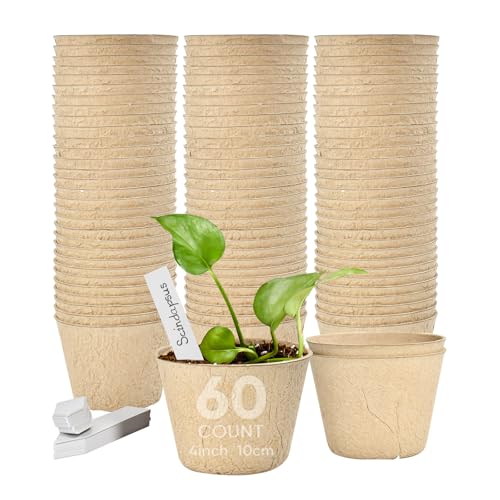
Jolliance provides a pack of 60 biodegradable 4-inch pots with included plant labels. The pots are molded from recycled pulp and binding agents, offering breathability to support root growth and biodegrade quickly when planted. The package is suitable for starting flowers, herbs, and vegetables while keeping track of sowing progress with labels.
Buying Guide: Seed Starter Pots — What To Consider
Choosing the right seed starter pots depends on planting goals, sustainability preferences, and handling ease. Consider these perspectives to make a well-rounded choice:
- Material and biodegradability: Plantable or peat pots reduce transplant shock but may require careful handling in wet conditions. Biodegradable options made from recycled pulp promote sustainability but may have varying shelf lives.
- Size and compatibility: Seed types and space availability dictate pot size. Smaller pots are great for starting many varieties; larger pots suit slower-growing crops or longer germination periods.
- Drainage and aeration: Adequate holes and breathable materials prevent root rot and encourage robust root systems. Look for pots that balance moisture retention with airflow.
- Transplant ease: Some pots are designed to be planted directly in the ground or larger containers, reducing root disturbance. This feature can simplify home gardening and improve seedling survival rates.
- Labeling and organization: Kits that include plant labels help track germination timelines and crop variety, which is especially useful for mixed seed trays.
- Cleaning and reuse: Reusable plastic options offer long-term cost benefits but require washing. Biodegradable pots are typically single-use but align with eco-friendly practices.
- Environmental impact: For a sustainability-focused garden, prefer pots with certified biobased content, recycled materials, and transparent sourcing.
To optimize outcomes, match pot type to your climate, seed variety, and transplant schedule. For beginners, kits that include labels and drainage guidance can reduce trial-and-error time. For experienced planters, plantable pots and larger starter pots provide flexibility for a broader range of crops.