Choosing the right pots can boost germination, root health, and overall plant vigor. This guide highlights five highly-rated options ideal for starting seeds, transplanting cuttings, and growing small indoor or outdoor plants. Each selection balances drainage, durability, and ease of use, helping American gardeners optimize space and results.
| Product | Brand | Size | Key Benefit |
|---|---|---|---|
| TDHDIKE 4″ Small Plastic Pot | TDHDIKE | 4″ opening | Uniform seed starter with extra drainage |
| Utopia Home Plant Pots Indoor Set | Utopia Home | 4–7 inch variety | Multiple sizes with integrated drainage |
| RAOOKIF 100 Pack Nursery Pots | RAOOKIF | 4″ | Large quantity, reusable design |
| Dalzom 60Pcs 3.1” Peat Pots | Dalzom | 3.1” | Biodegradable, transplant-friendly |
| SQKH 4 Inch Plant Pots – 6 Pack | SQKH | 4″ | Sturdy plastic with drainage and tray |
TDHDIKE 4 Inch Seed Starter Pots
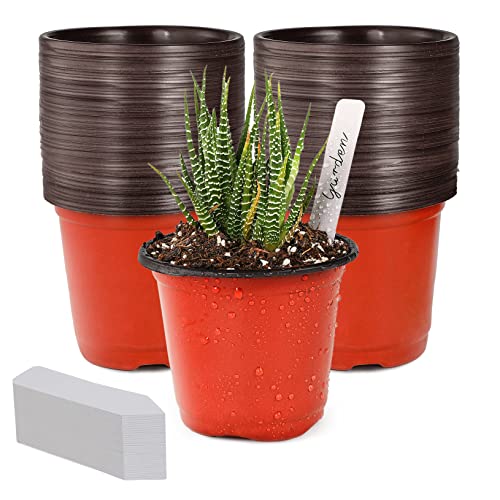
TDHDIKE offers 100 small nursery pots with 100 plant labels, ideal for organizing and tracking seedlings. The 4″ opening is perfect for early-stage growth, with a bottom of 2.5″ and a height of 3.2″ as shown. The pots include drainage holes—upgraded to eight—to promote airflow and prevent root rot. Labels help you identify varieties and monitor progress from seed to transplant. Suitable for succulents, flowers, and other small plants, these pots are a practical starter kit for home gardeners and urban growers.
Utopia Home Plant Pots Indoor Set

The Utopia Home set includes five white plastic plant pots in multiple sizes: 7″, 6.6″, 6″, 5.3″, and 4.8″ with matching saucers. Made from reinforced PP plastic, these pots are designed to resist sun exposure and maintain structure over time. Drainage plugs and the included trays help manage moisture and prevent spills, making them ideal for indoor decor, offices, or rooms where plants brighten the space without creating a mess.
RAOOKIF 100 Pack Nursery Pots

RAOOKIF’s 100-pack offers 4″ plastic nursery pots designed for transplanting, seedling growth, and cutting propagation. The pots are described as deformable yet returning to shape, a feature useful for compact storage and reuse. Made from durable plastic with a smooth surface, they’re easy to clean and can withstand repeated use, making them a cost-effective option for hobbyists and classrooms alike.
Dalzom 60Pcs 3.1” Peat Pots

Dalzom provides 60 biodegradable peat pots with 60 plant labels. The 3.1″ top diameter and 2″ bottom diameter are designed for seedlings, with drainage holes to prevent waterlogging. Made from recycled pulp, these pots can be planted directly into the ground, reducing transplant shock and root damage. They’re particularly suitable for starting vegetables, herbs, and ornamentals in a sustainable setup.
SQKH 4 Inch Plant Pots With Drainage

The SQKH 4-inch set includes six sturdy planters designed for orchids, succulents, herbs, and small flowers. Made from thick, durable polypropylene, these pots resist sun damage and maintain shape under varying indoor and outdoor conditions. Each pot features 48 drainage holes and an attached tray to catch excess moisture, making maintenance straightforward and reducing mess during watering.
Anyumocz 60 Pcs 1 Gallon Pots

Anyumocz offers 60 1-gallon nursery pots in black, with a height of 6.7″ and an opening diameter of 7.1″. Constructed from soft, thin plastic, these pots are lightweight and adaptable—compressible yet resilient. The 16 drainage holes enable good water movement, helping to prevent overwatering while keeping soil evenly moist. They’re suitable for larger seedlings, cuttings, and general transplanting tasks in homes and gardens.
Buying Guide: Key Purchase Considerations
When selecting pots for growing plants, consider material, size, drainage, and transplant needs. Plastics are lightweight and economical, but look for pots with sturdy rims and reinforced bottoms to resist cracking in sun or cold weather. Biodegradable options are ideal for reducing waste, especially for seedlings that will be planted in the ground. Drainage is critical; ensure pot bottoms have multiple holes and consider including a tray or saucer to prevent water damage to surfaces. Compatibility with various plant types—seedlings, cuttings, or mature herbs—helps determine ideal diameters and depths. Reusability and cleaning ease influence long-term costs and environmental impact. Finally, assess handle design or stackability for space-limited setups like apartments or greenhouses.
Durability vs. disposability is a common trade-off. Biodegradable peat pots support sustainable transplanting but can be less durable than plastic, requiring careful handling. For lightweight, fast-growing seedlings, smaller 3–4 inch pots are often sufficient, while larger vegetables or perennials may require 6–7 inch containers with integrated drainage and sturdy rims. If you rotate crops or reuse pots, look for easy-to-clean surfaces and deformability resistance in plastic pots. Consider color and finish as well; lighter colors can reduce heat buildup in sunny locations, potentially protecting roots in warm climates. Lastly, evaluate whether you need matching saucers or trays to manage spills and keep growing spaces tidy.