Selecting the right pots for aquatic plants helps maintain clear water, prevent soil leakage, and support healthy growth in ponds and water gardens. The following five products are durable, breathable, and designed to blend with pondscapes while keeping plants well-supported. Below is a quick summary of the chosen items for easy comparison.
| Product | Brand | Key Benefit |
|---|---|---|
| Aquascape Fabric Plant Pot, 12″ x 8″ (2-Pack) | Aquascape | Breathable fabric that allows water in while keeping soil out |
| Aquascape Aquatic Lily Plant Pots, 14″ x 7″ (2-Pack) | Aquascape | Fine porous fabric for lilies; easy to mold and install |
| DECOHS 12 Pack Aquatic Plant Pots | DECOHS | Breathable, reusable grow bags with handles for portability |
| EBaokuup 4 Pcs Aquatic Pond Planting Bags | EBaokuup | Breathable mesh with flexible PVC material for uneven spaces |
| OZIO 6Pcs Lily Plant Pots for Pond | OZIO | Durable, reusable fabric pots with strong handles |
Aquascape Fabric Plant Pot for Pond and Aquatic Plants

The Aquascape fabric pot is designed to allow water flow while preventing soil from entering the pond. It simplifies planting aquatic plants and can be easily molded to fit tight spaces. The pot blends well with pond aesthetics and remains durable for long-term use.
Aquascape Aquatic Lily Plant Pots for Pond and Water Garden
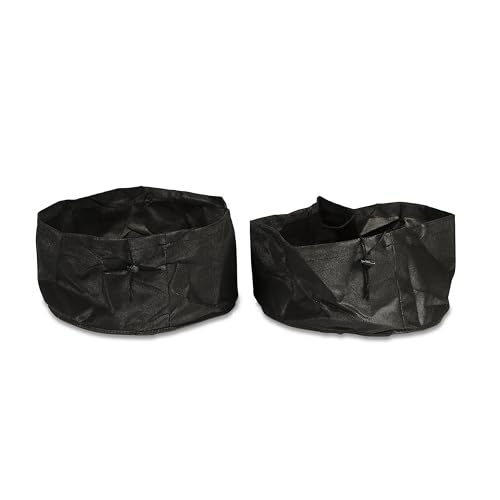
Ideal for water lilies and similar aquatic plants, these pots use a fine, porous fabric that permits water movement while keeping soil contained. The included drawstring allows easy planting and adjusting in tight spaces, supporting plant stability as roots establish.
DECOHS 12 Pack Aquatic Plant Pots

DECOHS offers a 12-pack of reusable fabric pots that provide good breathability to support healthy growth. Their handles make moving and storing easy, and they accommodate a variety of aquatic plants and some terrestrial options for integrated pond landscaping.
EBaokuup 4 Pcs Aquatic Pond Planting Bags

EBaokuup’s breathable mesh planters use a sturdy PVC base and 1/16″ mesh to prevent soil loss while ensuring water access. Their flexible design accommodates uneven pond floors and tight spaces, making them versatile for various water plants including lilies and water lilies.
OZIO 6Pcs Lily Plant Pots for Pond

OZIO lily plant pots emphasize breathability and durability, making them suitable for aquatic plant cultivation and other water garden uses. The fabric pots feature sturdy handles for easy relocation and seasonal adjustments, keeping plants well-supported in varying conditions.
Buying Guide: Key Purchase Considerations for Aquatic Plant Pots
When choosing pots for aquatic plants, consider factors such as material, breathability, size, and plant compatibility. Fabric pots promote water flow and reduce soil leakage, which helps protect pond ecosystems. Porous fabrics support root growth but may require careful plant selection to avoid overpopulation. Handles and portability are practical for seasonal pond maintenance and replanting.
- Breathability: Look for fabric or mesh that allows water exchange while containing soil. This reduces sediment buildup in the pond.
- Size and depth: Match pot dimensions to the plant species and growth stage. Lilies often need deeper pots; smaller pots suit amphibious plants and bog flora.
- Durability: Reusable fabric pots save money and reduce waste. Check stitching, strap strength, and material tolerance to sun and water exposure.
- Ease of planting: Drawstrings, handles, and flexible shapes simplify installation and repositioning within the pond.
- Cleanability and storage: Containers that dry quickly and compress for storage save space during off-seasons.
- Compatibility: Ensure the pot material is pond-safe and won’t release unwanted chemicals or fibers into the water.
Product diversity offers options for different pond sizes, plant types, and landscape aesthetics. For established ponds with lilies and water lilies, deeper, porous pots can help anchor roots. For decorative arrangements or smaller features, lighter fabric pots with easy-to-handle grips simplify maintenance. Assess your pond’s filtration and plant density to select the right balance of porosity and durability.