Find the right pole pruner saw blade for your extendable pruner and heavy branches. This guide targets buyers who want fast, clean cuts, long blade life, and blades that fit common Fiskars, Corona, Jameson, and compatible brands. The top picks below balance compatibility, cutting speed, and durability for different pruning tasks.
Summary of selected products:
| Product | Best For | Key Benefit | Compatibility Note |
|---|---|---|---|
| Fiskars 15″ Replacement Saw Blade | Overhead limb trimming | Woodzig chainsaw-style tooth design for efficient pull cuts | Fits Fiskars models including 9300, 9261, TP45, and more |
| Corona AC 7241D Razor Tooth Blade | Fast cutting on both pull/push strokes | Razor tooth design for quick, clean cuts | Compatible with several Corona TP models |
| Dimakung 15 Inch Pole Saw Blade (Fiskars) | Budget-friendly Fiskars replacements | High-speed steel with serrated teeth | Designed for Fiskars 6381–9391 style models |
| Dimakung 15 Inch Pole Pruning Saw Blade (Fiskars) | General Fiskars pruning tasks | High-speed steel, precise hole placement for installation | Fits Fiskars chain-drive extendable pruners |
| Jameson SB-16TE 16-Inch Barracuda Tri-Cut | Polished cuts on Jameson poles and hand saws | Tri-cut design for cleaner cuts and less wear | Compatible with Jameson poles and hand saws |
Fiskars 15″ Replacement Saw Blade

The Fiskars replacement blade is designed for Fiskars pruning saw models such as 9388, 9389, 9390, 9391, 8391, 7889, 7831, and 6391, as well as tree pruner models 9300, 9261, and TP45. This blade uses a Woodzig chainsaw-style tooth design that cuts on the pull stroke, offering efficient entry into thick branches and greater control during operation. The full-length blade delivers extended reach for overhead pruning, reducing the number of strokes required when trimming distant limbs. Best for: homeowners and professionals who routinely prune tall trees and need a reliable, long-reach blade that minimizes re-cutting. Caution: verify exact model compatibility before installation, as blade mounting holes and tooth geometry vary between Fiskars models.
Why it’s selected: The dedicated compatibility with a wide range of Fiskars models makes this blade a versatile, ready-to-install option for many Fiskars users. It emphasizes cutting efficiency on the pull stroke, which suits pruning tasks performed from the ground or a ladder.
Corona AC 7241D Razor Tooth Tree Pruner Blade

The Corona Razor Tooth blade is a 13-inch replacement blade designed for Corona pruners including TP 6870, TP 6850, TP 6830, TP 6780, TP 6570, and AC9000 series. The razor tooth design enables faster cutting on both pull and push strokes, targeting quicker limb removal. The blade is triple-edged, promoting faster entry and smoother cutting through limbs and other landscape debris. Best for: users seeking rapid cutting action on standard pruning jobs or professionals working with multiple Corona pruner models. Caution: check blade length and tooth count to ensure a proper fit with your specific Corona model to avoid misalignment.
Dimakung 15 Inch Pole Saw Blade (Fiskars)

This 15-inch blade by Dimakung is designed as a replacement pole saw blade for Fiskars extendable pruners. The serrated teeth cut branches up to about 1.25 inches and the blade length provides extended reach, helping to prolong overall life of the replacement blade. It lists compatibility with Fiskars pruning saw models 9388, 9389, 9390, 9391, 8391, 7889, 7831, 6391 and tree pruner models 9300, 9261, TP45, 9301, and 9236. Best for: users who want a cost-effective, long blade for multiple Fiskars models. Limitation: mounting hole alignment and blade thickness may differ from the original Fiskars blade, requiring careful installation.
Dimakung 15 Inch Pole Pruning Saw Blade (Fiskars)
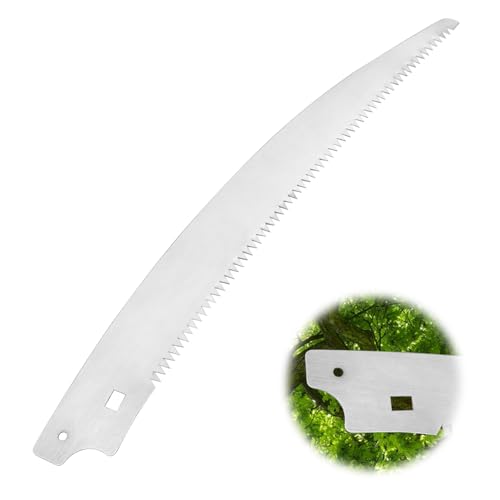
The 15-inch Dimakung pole pruning blade is tailored for Fiskars tree trimmers and pruners. It claims compatibility with Fiskars models 6391, 9388, 9390, 7889, 7831, 8391, and related pruners 9300, 9261, TP45, 9301. The blade uses high-speed steel to maintain hardness and wear resistance, with serrated teeth designed to minimize friction and jam during pruning. Best for: budget-conscious users who need a reliable Fiskars-compatible option with solid cutting power. Caution: ensure your specific model is listed in the compatibility notes to avoid fit issues during installation.
GJK 15-Inch Pruning Saw Blade Replacement

The GJK 15-inch pruning blade targets Fiskars-compatible models such as 6391, 9388, 9390, 7889, 7831, and 8391, and also fits tree pruners 9300, 9261, TP45, 9301, 9236. It uses high-speed steel for hardness and wear resistance, aimed at long-lasting sharpness. The blade design features three cutting surfaces to reduce jams and improve smoothness, even on wet wood. Best for: users who want a multi-surface cutting edge with smoother operation. Limitation: some users report tighter tolerances on older Fiskars hardware, which may require minor adjustments during installation.
GJK 15-Inch Pole Saw Blade Replacement (General)

This 15-inch GJK blade is designed for Fiskars pruning and tree pruner models 9388, 9389, 9390, 9391, 8391, 7889, 7831, 6391, and additional pruner models 9300, 9261, TP45, 9301, 9236. The blade uses high-speed steel for hardness and wear resistance, with staggered teeth intended to reduce binding and improve cutting efficiency. Best for: practical, widely compatible Fiskars replacements. Caution: check that mounting holes align with your exact model before installation.
Buying Guide
What matters most when choosing a pole pruner blade?
- Compatibility: Confirm blade model compatibility with your pole saw or pruner’s exact model numbers and hole layout.
- Tooth design: Razor or woodzig-style teeth cut differently. Razor teeth tend to cut faster on pull strokes; woodzig designs can maximize bite under load.
- Blade length: Common lengths are 13–16 inches. Longer blades provide reach but may add weight and reduce maneuverability.
- Material and hardness: High-speed steel offers wear resistance and longevity, especially for tougher wood; ensure the blade is fully hardened for long-term edge retention.
- Installation ease: Look for blades with clearly positioned mounting holes and straightforward installation to minimize downtime.
- Maintenance: Regular cleaning and occasional dull-edge refreshment extend blade life and ensure smooth cuts.
Best practices for extending blade life
- Keep blades sharp; dull blades require more force and can slip, increasing risk of injury.
- Lubricate the blade lightly during use to reduce heat buildup and wear.
- Avoid prying with the blade; use clean, deliberate strokes to reduce edge chipping.
Which blade should you choose?
- Best for Fiskars-heavy setups: Fiskars 15″ Replacement Saw Blade is the most direct match for Fiskars models and emphasizes long reach for overhead pruning.
- Best for rapid cuts on mixed brands: Corona AC 7241D Razor Tooth Blade delivers fast, clean cuts on pull/push strokes but is specific to Corona models.
- Best budget option for Fiskars users: Dimakung 15 Inch Blade variants offer compatible alternatives with high-speed steel for long-term use.
- Best overall for general use: Jameson SB-16TE Barracuda Tri-Cut provides a multi-cut design suitable for Jameson poles and hand saws, useful when versatility matters.
Frequently asked questions
- Q: Will these blades fit all pole saws? A: No, blades are model-specific. Always verify compatibility with your pruner’s model number and mounting pattern.
- Q: Are high-speed steel blades harder to sharpen? A: They can be sharpened, but some blades are designed to hold an edge longer before resharpening is needed.
- Q: Can I use these blades for hedge trimming? A: Most are designed for branches and limbs; use the blade type and tooth design appropriate for the wood you trim.
- Q: Do blades come with installation hardware? A: Some listings indicate mounting holes align with standard fits, but always check product details for included hardware.
- Q: How do I know if a blade is too long or heavy for my pole saw? A: Consider reach, weight, and balance. Overly long or heavy blades can strain the tool and reduce control.
- Q: Is there a risk of blade breakage during pruning? A: Blade fatigue can occur under heavy load or improper use. Use proper technique and replace worn blades.