The right substrate supports robust plant roots, healthy beneficial bacteria, and stable water conditions for planted aquariums. Below are five top picks that balance nutrient-rich content, pH stability, and ease of use for freshwater setups with plants, shrimp, and tropical fish. Use this guide to compare options and choose the substrate that best fits your tank size and plant ambitions.
| Product | Brand | Key Benefit |
|---|---|---|
| Fluval 12694 Plant and Shrimp Stratum | Fluval | Strong plant growth, neutral to slightly acidic pH |
| Fluval 12696 Natural Mineral-Rich Volcanic Soil Bio Stratum | Fluval | Mineral-rich soil, supports vibrant coloration |
| Fluval 12693 Plant and Shrimp Stratum | Fluval | Rapid beneficial nitrifying colonization, safe for newborn shrimp |
| Aqueon Plant and Shrimp Aquarium Substrate | Aqueon | Balanced growth for plants, shrimp, snails, and fish |
| Aqua Natural Galaxy Sand Bio-Substrate | Aqua Natural | Bio-active bacteria seeded substrate for instant cycling |
Note: The following sections highlight five leading substrates. Each section includes a direct link to the product page, a visual reference, and a concise summary of the features most relevant to planted aquariums and invertebrates.
Fluval 12694 Plant and Shrimp Stratum

Key features:
- Promotes robust plant growth by supporting easy root penetration and nutrient uptake.
- Porous structure enables rapid colonization by beneficial nitrifying organisms, helping establish a healthy nitrogen cycle.
- Designed to maintain a neutral to slightly acidic pH, suitable for many aquatic plants, tropical fish, and shrimp.
Fluval 12696 Natural Mineral-Rich Volcanic Soil Bio Stratum

Key features:
- Mineral-rich volcanic soil supports vigorous plant growth and vibrant coloration.
- Infused with dormant nitrifying organisms that activate on contact with water to start the nitrogen cycle.
- Stabilizes water conditions by helping to quickly reduce ammonia levels in new setups.
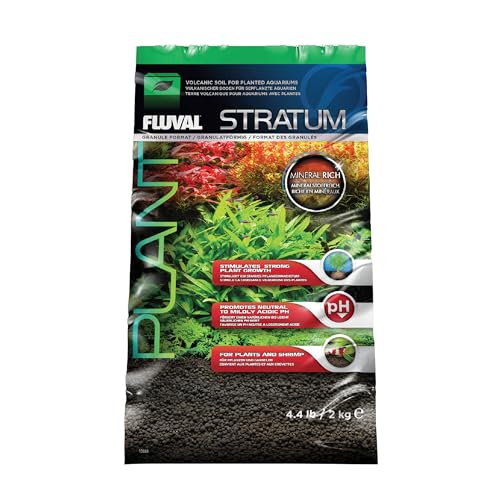
Fluval 12693 Plant and Shrimp Stratum
Key features:
- Porous substrate promotes rapid and beneficial nitrifying bacteria colonization.
- Maintains a neutral to slightly acidic pH suitable for many plants and shrimp.
- Provides shelter for newborn shrimp, offering protection during early life stages.
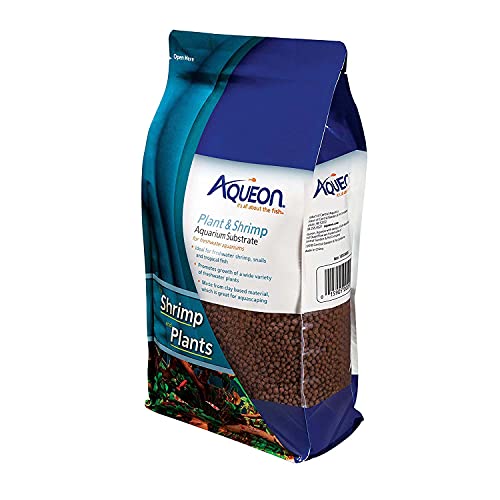
Aqueon Plant and Shrimp Aquarium Substrate
Key features:
- 5-pound bag suited for a variety of freshwater plants, shrimp, snails, and tropical fish.
- Promotes growth of a wide range of freshwater plant species, aiding establishment in new tanks.
- Balanced composition supports a healthy planted aquarium ecosystem.
Aqua Natural Galaxy Sand Bio-Substrate

Key features:
- Seeded with bio-active live nitrifying bacteria to support immediate cycling.
- Provides a natural sandy base that supports root growth for many aquatic plants.
- Biologically active formulation aids in establishing a balanced, healthy aquarium environment.
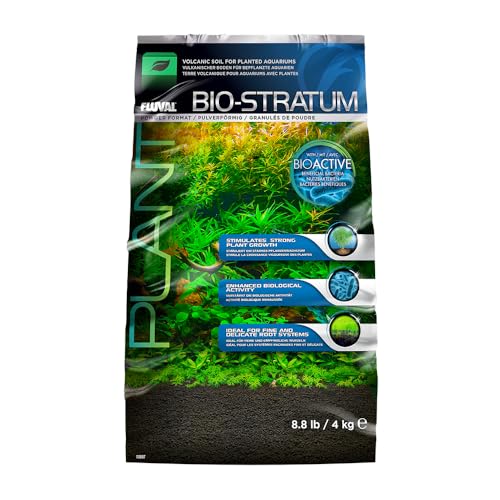
Fluval 12697 Natural Mineral-Rich Volcanic Soil Bio Stratum
Key features:
- Promotes robust plant growth with nutrient-rich composition for vibrant foliage.
- Activates beneficial water conditions as dormant nitrifying organisms awaken in water.
- Helps stabilize ammonia levels, contributing to a healthier initial aquarium environment.
Buying Guide: How to Choose the Right Plant Substrate
- Nutrient content and release: Substrates vary from mineral-rich soils to nutrient-poor sands. For heavy plant loads, choose nutrient-rich options that support roots and provide micronutrients.
- Root growth and grain size: Fine grains can compact and slow roots; medium to coarse grains typically promote better root penetration and water flow. Consider plant species and snail or shrimp activity when selecting grain size.
- pH impact and stability: Some substrates naturally drift toward neutral or slightly acidic conditions, which benefit most tropical plants and many shrimp. If you keep fish with strict pH requirements, align substrate choice with your target range.
- Biological activation: Substrates seeded with nitrifying bacteria can accelerate cycling. This is helpful for new tanks or setups with limited established biofilm.
- Longevity and maintenance: Some soils slowly release nutrients, while others may need occasional replenishment. Consider long-term maintenance and potential clouding when choosing.
- Tank inhabitants compatibility: Shrimp, snails, and small fish often benefit from mineral-rich soils that support shell and exoskeleton health, as well as plant roots.
- Tank size and plant load: Larger tanks or heavily planted setups may require more substrate volume; compute allowance for depth and plant root zones to avoid nutrient competition.