Protecting fruit, vegetables, and decorative plants from birds and other small pests is a common garden challenge. The right plant netting combines strength, durability, and easy installation without harming wildlife. This guide reviews top-rated options designed to deter birds while keeping plants healthy and accessible for pollinators and rain. Below you’ll find concise product highlights, practical usage tips, and a buying guide to help you choose the best netting for your needs.
| Product | Size / Coverage | Mesh Type | Notes |
|---|---|---|---|
| Feitore Deer Fence Netting | 7 ft x 100 ft | 3/4 inch square | Versatile and reusable |
| Ruolan Bird Netting | 13 ft x 20 ft | 0.8 inch x 0.8 inch | DIY friendly |
| KLEWEE Bird Netting (7.5 x 100 ft) | 7.5 ft x 100 ft | 3/4 inch | Heavy-duty and UV-stabilized |
| RIFNY Bird Netting | 13 ft x 40 ft | 1/2 inch | HDPE, weather resistant |
| SnugNiture Garden Netting | 10 ft x 33 ft | 0.1 mm ultra-fine mesh | Lightweight, translucent |
Feitore Deer Fence Netting For Gardens
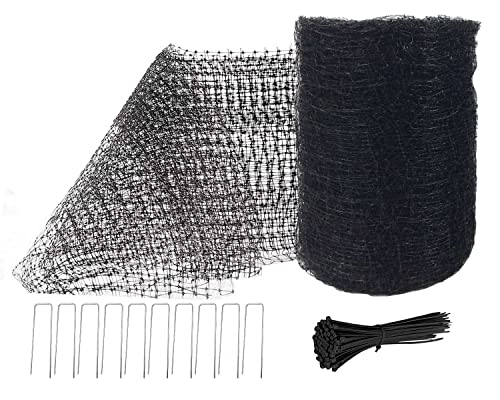
Feitore’s deer fence netting is a robust 7 ft by 100 ft barrier designed to deter birds and larger animals while remaining flexible for garden use. The 3/4 inch square mesh balances protection with airflow, sunlight, and plant growth. The kit includes installation nails and cable ties, making setup straightforward for beds, perimeters, or vulnerable fruit trees. Made from lightweight polypropylene, the netting resists tearing, rust, and rot, supporting repeated seasons of use. It is suitable for bird protection and can also serve as chicken or small animal netting when needed.
Ruolan Bird Netting For Gardens (13×20 FT)
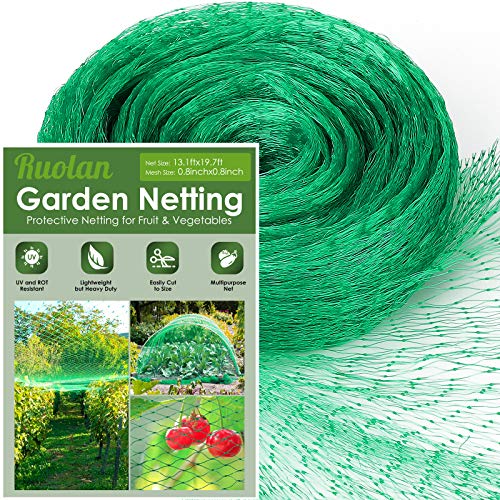
Ruolan’s garden netting measures 13 by 20 feet with a mesh pattern of 0.8 inches. It is designed to protect fruit trees, vegetables, and berries from birds and other small animals. The material is reusable and resistant to tearing, rust, and rot, supporting multiple seasons of use. Its DIY-friendly design allows you to cut and shape the netting to fit irregular layouts, simply fix it with stakes or columns during installation. A practical choice for medium-sized gardens needing a reliable barrier against intruders while preserving plant health.
KLEWEE Bird Netting (7.5×100 FT)

KLEWEE’s 7.5 x 100 ft bird netting offers a heavy-duty solution with 3/4 inch mesh designed to keep small birds, deer, and other critters away from ripening fruits, vegetables, and trees. The kit includes metal U-shaped staples and zip ties for secure installation. UV-stabilized material ensures durability across seasons and climates. The netting is non-toxic and animal-friendly, with minimal interference to plant growth, making it suitable for long-term garden protection without harming wildlife.
RIFNY Bird Netting For Gardens (13×40 FT)

RIFNY’s 13 x 40 ft garden netting is built from HDPE, offering a robust alternative to traditional nylon or PP nets. The 1/2 inch mesh provides thorough coverage while allowing sun, rain, and air to reach plants. The material is designed to withstand extreme temperatures from -58°F to 212°F and remains reusable over years. It is lightweight, easy to install, and effective at preventing birds, poultry, and small animals from accessing crops without harming them or interfering with growth.
SnugNiture Garden Netting (10×33 FT)

SnugNiture offers an ultra-fine 0.1 mm mesh netting, sized at 10 by 33 feet, designed to deter birds while remaining highly transparent to sunlight and rain. The PE material is durable, waterproof, and weather-resistant, making it suitable for outdoor use in various climates. Its light weight allows easy draping over rows or individual plants without shading the crops. This netting is particularly effective for preventing damage to leafy greens, berries, and flowering crops without harming beneficial insects or plants.
Buying Guide: Key Purchase Considerations
- Mesh size and coverage: Smaller mesh (around 1/2 to 3/4 inch) protects against small birds while minimizing fruit loss. Larger nets cover more area but may require more support and tighter installation to avoid gaps.
- Material and durability: UV-stabilized plastics (PP, HDPE) resist rot and tear, enabling year-round use. Consider weight and extensibility for long-term savings.
- Ease of installation: Kits with staples, cable ties, and nails simplify setup. DIY-friendly nets can be cut to fit irregular beds or trees.
- Mesh transparency: Transparent or pale nets help maintain light and airflow essential for photosynthesis and pollination.
- Safety and wildlife considerations: Choose non-toxic materials and avoid nets that could entangle birds or wildlife. Reusable options reduce waste and long-term costs.
- Reusability and maintenance: Look for nets that resist tangling and resist weathering; store cleanly during off-seasons to prolong life.
- Scale and flexibility: Smaller gardens may benefit from 13×20 ft or 7×100 ft options; larger setups may require modular systems or multiple nets.
When selecting netting, match the product to your garden footprint, plant type, and local wildlife pressure. For fruiting shrubs or trees, a medium mesh combined with sturdy anchors tends to perform best. For raised beds and tomato cages, ultra-fine mesh provides strong protection without obstructing growth. Consider seasonal needs, climate exposure, and the practicality of installation and removal to maximize protection and yield.