Looking for pink and white cascading blooms from cherry trees that fit garden spaces, patios, or larger landscapes? This guide highlights five top pink weeping cherry options that are well-suited for American gardens. Each selection targets different buyer needs, from full-ground planting to container readiness and seasonal display. Whether you want showy pink cascades, easy care, or a dwarf form, these picks help you choose with confidence.
| Product | Best For | Why It Stands Out |
|---|---|---|
| Higan Japanese Pink Weeping Cherry Tree (DAS Farms) | Larger landscape or accent specimens | Dormant transplant timing, bare-root options in California, zones 4-8 suitability |
| 2 Weeping Cherry Blossom Tree Plant (GINGERGLOW) | Medium-sized yard or garden borders | Spring bloom display, ornamental landscape value |
| Weeping Cherry Tree Live Plant (GINGERGLOW) | New gardens and containers | Starter plant ready for outdoor transplant, classic ornamental appeal |
| Shidare Yoshino Japanese Weeping Cherry Tree (DAS Farms) | USDA zones 4-8, seasonal color | Dormant transplant window, bare-root shipping in some areas |
| Weeping Cherry Tree Seeds (Seedville) | Gardeners who prefer seed-grown specimens | Weeping habit and early-spring blooms in a seed form |
Higan Japanese Pink Weeping Cherry Tree — DAS Farms
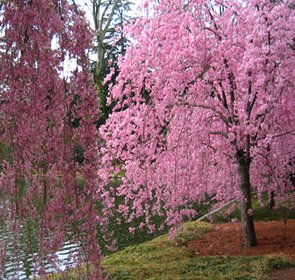
Reference features show a dormant, leafless state suited for transplanting into the ground. This selection is best for buyers who want a mature-appearing tree through the growing season and can place it in the landscape rather than a container. It thrives in zones 4-8 with full to part sun. The tree ships bare root for California orders, aligning with state regulations. Best for larger yards or focal landscape points where a dramatic pink cascade is desired.
- Best for: Garden beds with space for a vertical accent tree
- Better for: Homeowners in zones 4-8 seeking a seasonal color centerpiece
- Caution: Transplant outdoors in the ground only; container transplanting is not advised
2 Weeping Cherry Blossom Tree Plant — GINGERGLOW

This selection is ideal for medium-sized gardens or borders where a graceful weeping form adds elegance. It’s a live plant approximately 6–12 inches tall and ready for transplanting into outdoor soil or containers. The spring bloom is a highlight, delivering pink or white flowers that enhance curb appeal. Choose this if you want a compact, ornamental tree with seasonal color and straightforward maintenance.
- Best for: Early-season focal color in small to medium spaces
- Better for: Gardens where flowering spectacle is a priority
- Caution: Transplanting requires care to establish roots in garden soil
Weeping Cherry Tree Live Plant — GINGERGLOW

Best for first-time planters or those expanding an ornamental tree row, this live plant arrives as a young starter tree suitable for transplant into garden beds or outdoor containers. It offers a classic flowering cherry look with seasonal blossoms that brighten spring landscapes. The plant’s small size supports gradual growth into a larger focal point over time.
- Best for: Beginners or people adding a cherry tree to a home garden
- Better for: Small yards or container-friendly spaces
- Caution: Expect incremental growth; initial root establishment takes time
Shidare Yoshino Japanese Weeping Cherry Tree — DAS Farms

This option targets buyers seeking a classic white-flowering weeping cherry with ornamental value. It thrives in zones 4–8 in full to part sun and is shipped dormant, which aligns with best transplant practices in many regions. It’s a strong choice for landscapes that benefit from a dramatic, cascading canopy and springtime white bloom. Best for: larger landscape corners or entryway plantings.
- Best for: White-flowering weeping cherry aesthetic
- Better for: Zones 4–8 with ample sun
- Caution: Dormant shipment means no leaves during transplant windows
Weeping Cherry Tree — White Flowering, 6-12″ Live Plant

This option targets buyers wanting a compact starter plant with a classic white-flowering weeping cherry look. At 6–12 inches tall in a small pot, it’s suitable for early-stage outdoor planting in beds or larger containers. It’s helpful for creating a multi-level flowering display in spring, especially along pathways or near seating areas.
- Best for: Small-space planting and early-stage cherry displays
- Better for: Container gardens or entryway landscaping
- Caution: May require winter protection in colder regions
Pink Weeping Sakura Tree Seeds — Seedville
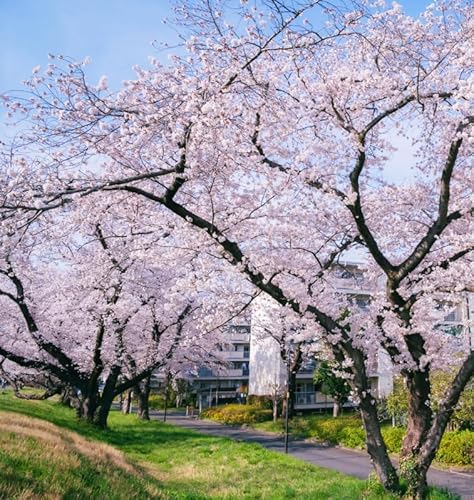
Best for gardeners who prefer starting from seeds, this option offers the cascading beauty of weeping Sakura with pink blooms in early to mid-spring. The mature size is typically 15–25 feet with equal spread, making it suitable for medium to large landscapes. Growing conditions favor full sun to part shade and average soil water needs in zones 5–8. Choose this if you enjoy seed propagation and want a long-term growth project.
- Best for: Seed-savvy gardeners seeking a larger landscape tree
- Better for: Zones 5–8 with adequate sun
- Caution: Seed-grown trees may have variable growth and bloom times
Buying Guide
- What size should you plant? Decide between starter plants (6–12 inches) for rapid display or larger, established specimens for immediate impact in a focal area.
- Where will you plant? Consider sun exposure, soil type, and available space; weeping cherries prefer full sun to part sun and well-drained soil.
- Hardiness matters: Most options here suit USDA zones 4–8, but verify zone compatibility with your local climate and winter temperatures.
- Transplant timing: Dormant-season transplanting is often best for bare-root shipments; avoid transplanting into containers if the product specifies ground-only relocation.
- Maintenance expectations: Weeping cherries typically require regular watering during establishment, with seasonal pruning to maintain form and remove deadwood.
Frequently Asked Questions
- Q: Are pink weeping cherry trees hard to grow? A: They can be straightforward with proper sun, soil drainage, and consistent moisture during establishment.
- Q: When do these trees bloom? A: Bloom times vary by cultivar but commonly occur in early to mid-spring, with peak showings ranging from late March to May in many regions.
- Q: Do they need to be planted in the ground or can they be container-grown? A: Many varieties are best planted in the ground, though some starter plants can adapt to containers if appropriately sized and pruned.
- Q: How big do these trees get? A: Mature sizes depend on cultivar, typically ranging from dwarf forms around 4–6 feet to larger trees reaching 15–25 feet, with corresponding canopy spread.
- Q: Do they require pruning? A: Yes, annual pruning helps maintain shape, promotes air circulation, and supports healthy flowering.
- Q: Are there any regional transplant restrictions? A: Some shipments, especially bare-root plants, follow state regulations and may require special handling in certain states.