Answering the needs of pheasant breeders and game birdkeepers, a reliable flight pen netting solution combines strong protection, durable materials, and easy installation. This article highlights top netting options suited for pheasants and other game birds, explaining who each product fits best, why it stands out, and potential limitations to consider. Whether you run a small backyard coop or a larger farm, you’ll find practical guidance to help you choose the right netting for predator deterrence, plant protection, and overall flock safety.
Product Comparison At A Glance
| Product | Mesh Size | Break Strength (approx.) | Best For | Notes |
|---|---|---|---|---|
| Stromberg’s 1″ Knotted Netting | 1″ | 85 lb | Small to medium coops; predator protection | UV-resistant; six size options |
| Stromberg’s 2” Mesh Knotted Netting | 2″ | 85 lb | Medium to large pens; pheasants and larger birds | Reduces peeper/pin entanglement |
| Threekia Heavy-Duty Aviary Netting | 1″ | 8–12 years typical life | Extended outdoor use; hawk deterrence | HDPE with UV stabilizers |
| JUNKOGO Bird Netting 50×50 | 1″ | >100+ lbs (strength) | Garden protection; versatile poultry use | Weather resistant; easy to install |
| Pinnon Hatch Farms Poultry Netting | 2″ | 85/245 lb | Long-term aviary setups | UV stabilized; strong knotted mesh |
Stromberg’s 1″ Knotted Netting

The Stromberg’s 1″ Knotted Netting is a heavy-duty, UV-resistant option designed to protect game birds from predators while supporting a range of coop sizes. With an 85 lb break strength, this netting offers dependable protection for pheasants and quail alike. The 1″ mesh is small enough to deter larger birds and predators but large enough to allow airflow and sunlight. The netting’s durability is built to withstand years of outdoor exposure and weather cycles.
Who it’s best for: small to mid-sized pens housing pheasants or quail, especially where predator protection is a priority. Why selected: strong, long-lasting protection and multiple size options let you tailor the enclosure to your space.
Important caveat: the 1″ mesh can be denser to work with for very large coops or dense planting inside the pen. Ensure proper tensioning during installation to avoid sagging that could trap birds.
Stromberg’s 2” Mesh Heavy Duty Knotted Netting

This larger-mesh option uses a 2″ opening to cover aviaries while reducing the risk of birds becoming entangled in the mesh threads. With an 85 lb break strength, it’s robust enough for pheasants, poultry, and larger birds, and its UV-resistant polyethylene helps it stand up to sun, rain, and seasonal changes. It’s designed to be durable in outdoor conditions and can deter smaller predators.
Who it’s best for: medium-to-large flight pens where better visibility and airflow matter, plus protection against predation. Why selected: robust build without excessive mesh density; suitable for higher paddock structures.
Limitation: the larger mesh may permit smaller pests to squeeze through if not properly secured around the perimeter. Proper anchoring is essential for maximum protection.
Threekia Heavy Duty Aviary Netting

Threekia’s Heavy Duty Aviary Netting emphasizes longevity with premium HDPE and built-in UV stabilizers. Its 1″ mesh strikes a balance between predator deterrence and practical use in gardens or aviaries. The netting claims a long lifespan in challenging outdoor conditions (8–12 years) and is designed to be easy to install and reuse across seasons.
Who it’s best for: pen owners seeking long-term outdoor durability and a predator-proof design without frequent replacements. Why selected: clear focus on UV protection, weather resilience, and easy handling. Caution: ensure the mesh remains taut to prevent sagging that could trap birds or create blind spots for predators.
JUNKOGO Bird Netting 50×50
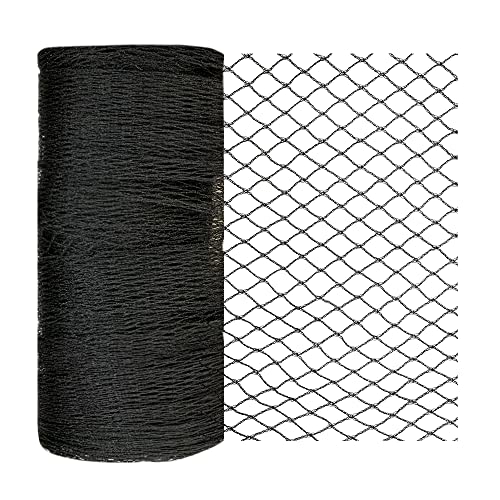
JUNKOGO offers a 50×50 ft bird netting with a 1″ mesh, designed to guard gardens and poultry alike. It’s described as heavy-duty woven netting capable of withstanding bird pressure and weather exposure, with enough strength to shield plants, fruit trees, and a poultry yard from various pests. The material reportedly provides good UV resistance and durability for reuse across seasons.
Who it’s best for: gardeners expanding into protective poultry enclosures or combined garden-poultry setups. Why selected: versatile use beyond poultry—great for protecting crops and landscapes from birds and small animals. Caution: verify tensioning and anchoring to prevent sagging that could reduce coverage area or create gaps.
Pinnon Hatch Farms Poultry Netting

Pinnon Hatch Farms provides a heavier-knotted netting option with a 2″ mesh and a break/burst specification of 85/245 pounds per mesh. The UV-stabilized material is designed for long life, with the mesh intended to protect aviaries against larger pests while maintaining airflow and light penetration. This option is suitable for larger flight pens and mixed poultry setups.
Who it’s best for: larger pens or aviaries that require a tougher, long-lived net with higher strength thresholds. Why selected: strong knotted construction and robust UV stabilization make it a solid choice for extended outdoor use. Caution: 2″ mesh is larger; ensure it doesn’t leave gaps that allow smaller pests to intrude if not properly secured.
Buying Guide: Key Considerations For Pheasant Flight Pen Netting
- Mesh Size And Bird Size: Smaller mesh (1″) deters smaller predators and birds but may cause more tangling risk for active flyers. Larger mesh (2″) allows better airflow but could let smaller pests through. Pick a mesh that matches your flock size and predator profile.
- Break Strength And Material: A higher break strength (often 85–245 lbs) is beneficial for larger birds and rough weather. UV-stabilized polyethylene or HDPE resists fading and brittleness over time. Consider longevity based on your climate and sun exposure.
- Durability Vs. Ease Of Installation: Thicker nets with knotting and reinforced edges last longer but can be heavier to install. Look for nets with clear installation instructions, grommets, or reinforced corners for easier setup and tensioning.
- Coverage And Perimeter Security: Netting should cover the entire run with secure anchoring. If the pen perimeter includes terrain changes or trees, plan for consistent tension and periodic checks for sag or wear.
- Garden And Poultry Versatility: Some nets are marketed for garden protection as well as poultry containment. If you maintain both a garden and a coop, a single netting solution may simplify maintenance and storage.
- Environmental Conditions: UV resistance and salt air performance matter in coastal areas or muggy climates. Choose nets with proven outdoor lifespans in such environments.
- Maintenance And Reusability: Reusable nets save money but require careful handling to avoid fraying or tearing. Store nets in a cool, dry place when not in use to extend lifespan.
Frequently Asked Questions
- What mesh size is best for pheasants?
For pheasants, a 1″ to 2″ mesh is common. 1″ works well for maximum predator deterrence, while 2″ improves airflow and reduces likelihood of entanglement for larger birds, depending on design.
- Can netting protect against hawks and owls?
Yes, especially UV-stabilized, heavy-duty netting with robust break strength. Ensure the net is taut and securely anchored to prevent gaps that predators could exploit.
- How long does avian netting typically last outdoors?
Durability depends on material and exposure. UV-stabilized polyethylene or HDPE nets commonly last 7–12 years under normal outdoor conditions.
- Is larger mesh better for garden use with poultry?
It can be, if the goal includes easier airflow and visibility. However, larger mesh may allow smaller pests to penetrate, so reinforce with perimeter sealing or additional deterrents as needed.
- Should I choose a 1″ or 2″ mesh for a pheasant pen?
Choose 1″ for maximum predator deterrence and smaller pests; choose 2″ if you need easier maintenance and plan to house larger birds where entanglement risk is lower.
In sum, each of the highlighted netting options offers distinct advantages for pheasant flight pens. The best choice depends on pen size, local predator pressure, climate, and maintenance preferences. Use the comparison table and product profiles as a practical guide to selecting a netting solution that aligns with your operation’s scale and goals.