Find reliable pesticides that protect tomato plants from common pests and diseases while staying safe for edible crops. This guide highlights five effective products, suited for different garden setups—from backyard tomatoes to container plantings. Read on to see which option best fits your needs, whether you favor ready-to-use sprays, concentrates, or organic solutions.
Summary table of selected products:
| Product | Type | Best For | Key Benefit |
|---|---|---|---|
| BioAdvanced Organics Brand Tomato, Vegetable & Fruit Plant Bug Spray | Ready-to-Use Spray | Organic edibles, small gardens | Fast contact kill on aphids, caterpillars, mites |
| Bonide Captain Jack’s Tomato & Vegetable Spray | Ready-to-Use Insect & Disease Spray | Early-season disease and pest defense | Kills insects and controls fungal diseases |
| BioAdvanced Vegetable and Garden Insect Spray (Concentrate) | Concentrated Insecticide | Larger gardens, customizable mixes | Broad insect control including tomato hornworms |
| Trifecta Crop Control Ready-to-Use | All-natural Insecticide & Fungicide | Organic gardening, edible crops | Plant-based formula with broad pest/disease control |
| Natria Neem Oil Spray | Ready-to-Use Insecticide & Fungicide | Plants susceptible to powdery mildew and mites | Controls insects and prevents powdery mildew |
Note: Always follow label directions for safe use on edible crops. Consider your garden size, whether you prefer ready-to-use products or concentrates, and if you want dual-action disease control or insect-only products. The selections below are arranged to help you compare by use case and plant needs.
BioAdvanced Organics Tomato, Vegetable & Fruit Spray
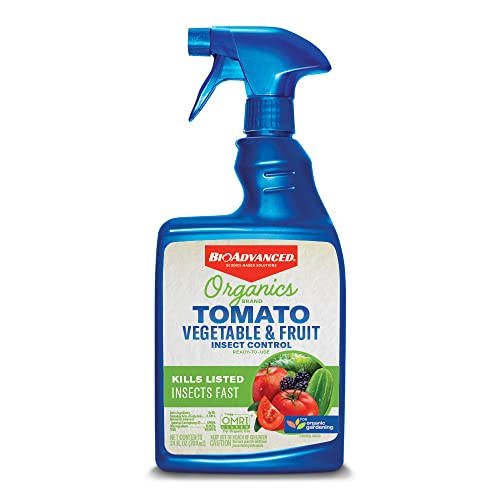
Features include fast-acting contact kill on listed insects affecting edibles, including aphids, caterpillars, mealybugs, and spider mites. It also offers curative control for powdery mildew and is suitable for vegetables, fruit trees, citrus, berries, and herbs. This makes it a compact choice for small to medium edible plots where convenience matters. Best for gardeners seeking an organic-friendly spray that works quickly on pests without complicated preparation.
Who it’s best for: small to mid-size vegetable gardens, container growers, and home cooks who want an organic option that protects edible crops. Caution: check for compatibility with any companion plants and ensure proper spray coverage to maximize efficacy.
Bonide Captain Jack’s Tomato & Vegetable Spray

This Ready-to-Use formula provides pest defense against aphids, spider mites, caterpillars, and more. It also controls common fungal diseases like blackspot, powdery mildew, rust, and blight when applied early in the season. Suitable for both indoor and outdoor use on listed fruits, vegetables, and ornamentals. Best for gardeners who want a single product that targets both insects and fungal diseases early in the growing cycle.
Who it’s best for: gardeners seeking a versatile spray for early-season pest and disease management. Limitation: effectiveness depends on timely application and consistent coverage; timing matters for disease control.
BioAdvanced Vegetable And Garden Insect Spray (Concentrate)

This concentrate is designed to kill aphids, caterpillars, thrips, tomato hornworms, whiteflies, and more than 70 other listed insects by contact. It helps protect fruit and vegetables by applying a spray that coats leaves without dripping. Best for larger gardens where a customizable concentration is preferred and you want broad-spectrum insect control. Caution: ensure dilution ratios are followed to avoid plant stress.
Who it’s best for: home gardeners with larger plots or those who prefer a customizable spray strength. Choose this if you need a versatile concentrate for ongoing pest pressure and multiple crop types.
Trifecta Crop Control Ready to Use
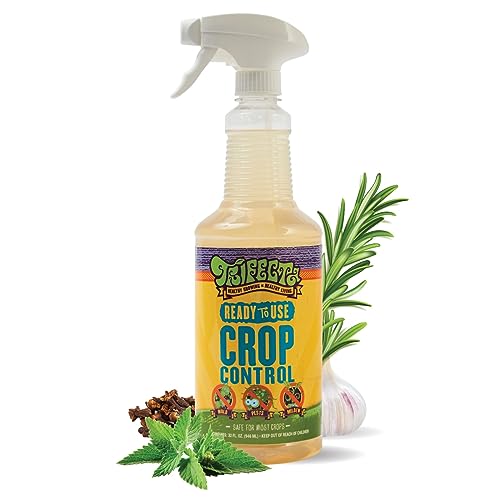
This all-natural, plant-based solution targets spider mites, aphids, whiteflies, fungus gnats, and other soft-bodied pests on indoor and outdoor plants. It is biodegradable and designed to be safe for edible crops without chemical residues. Best for organic gardens and homes wanting a non-synthetic option that still provides strong pest control. Limitation: may require more frequent applications in high pest pressure environments.
Who it’s best for: organic gardeners, beginner nurturers, and households seeking an eco-friendly spray. Avoid this if you need a heavy-duty synthetic-grade pesticide for stubborn infestations.
Sevin Insect Killer Dust (1 Pound)
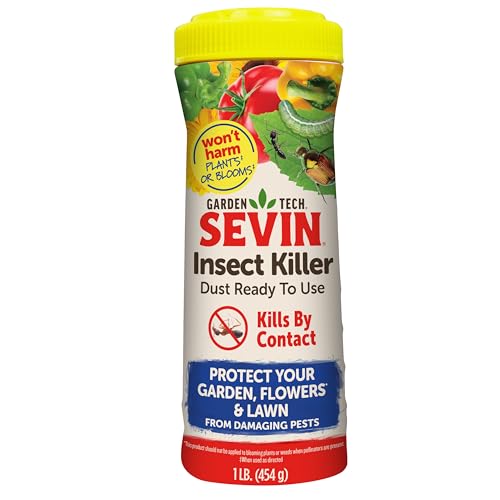
Sevin Dust provides contact kill for over 150 listed insects, helping protect flowers and lawns. It is labeled for use around flowers and outdoor spaces, and typically used as a dust rather than a spray. Best for preventative outdoor coverage and gardens with established pest pressures where dust applications are practical. Limitation: not ideal for indoor use and may require careful application to avoid inhalation or contact with non-target organisms.
Who it’s best for: outdoor spaces where dust applications are feasible and pest variety is broad. Choose this if you want a ready-to-use dust option for quick, surface-level control.
Natria Neem Oil Spray

This ready-to-use neem oil spray acts as both an insecticide and fungicide. It kills aphids, whiteflies, spider mites, Japanese beetles, scales, and more. It also helps prevent powdery mildew and other common diseases. Best for gardeners seeking a dual-action option with a natural oil base. Limitation: may require thorough coverage and reapplication after rainfall or heavy watering.
Who it’s best for: organic and integrated pest management (IPM) enthusiasts, those managing multiple pests and diseases with a single spray. Choose this if you want a natural solution that covers both insect and disease concerns in one go.
Buying Guide: Pesticides For Tomato Plants
Key considerations help you pick the right product for your tomato crop and garden setup.
- Garden size and application style: Do you prefer ready-to-use sprays or concentrates you mix yourself? Smaller plots often benefit from ready-to-use options, while larger plots can save money with concentrates.
- Target pests and diseases: Identify the main threats—aphids, mites, caterpillars, powdery mildew, or leaf spots—and choose products that address those issues specifically.
- Edible crop safety: Look for products labeled for use on vegetables and fruit. Organic and plant-based formulas are preferable if you plan to harvest soon after treatment.
- Dual-action versus insect-only: Some products control both pests and diseases; others focus on one category. Your choice depends on your disease pressure and pest mix.
- Environmental impact: Consider eco-friendly formulas that minimize harm to beneficial insects and pollinators. Safe handling and proper timing are essential for preserving the garden ecosystem.
- Weather and follow-up: Rainfall, irrigation, and temperature affect spray efficacy. Plan for reapplication windows and protective intervals as indicated on the label.
Frequently Asked Questions
- Q: Can I spray pesticides on tomato plants while fruit is developing?
- A: Yes, if the product label specifies use on edible crops and indicates safe pre-harvest intervals. Always follow the directions for harvest timing after application.
- Q: Are organic pesticides less effective than synthetic ones?
- A: Effectiveness depends on pests, disease pressure, and application timing. Some organic formulas work very well for routine maintenance and preventive care, especially when used as part of an IPM plan.
- Q: How often should I apply pesticide to tomato plants?
- A: It varies by product and pest pressure. Check the label for recommended intervals and reapplication guidelines, and avoid over-treatment to protect beneficial insects.
- Q: Can I mix different pesticides in the same spray tank?
- A: Mixing is generally not advised unless the label explicitly allows it. Some combinations can cause damage to plants or reduce efficacy.
- Q: What is the best option for a beginner gardener?
- A: A ready-to-use spray with broad coverage and easy instruction is often best for beginners, especially for early-season pest and disease prevention.