Perennial grasses bring motion, texture, and structure to landscapes with minimal upkeep. This guide highlights five readily available options that suit American gardens—from sunlit borders to partial shade beds. Each pick balances year‑round interest with garden adaptability, helping you create layered, dynamic spaces that endure seasonal changes. Below, you’ll find a quick product summary and detailed sections to help you choose based on climate, soil, and design goals.
| Product | Brand | Key Features |
|---|---|---|
| Grasses: Versatile Partners for Uncommon Garden Design | Storey Publishing | Paperback, English language |
| Perennial Farm Marketplace Calamagrostis a. ‘Karl Foerster’ | Perennial Farm Marketplace | Feather Reed, 4–5′ spikes, full sun, drought-tolerant |
| Pampas Grass Pack | TANKDA | Low-maintenance, drought-tolerant, privacy options |
| The Encyclopedia of Grasses for Livable Landscapes | Timber Press | Comprehensive reference |
| Gardening with Grasses | Timber Press | Practical guide for garden grasses |
Grasses: Versatile Partners for Uncommon Garden Design

The book by Storey Publishing offers broad insights into designing with grasses, including practical handling for diverse landscapes. Its paperback format makes it a portable reference for gardeners seeking ideas on combining grasses with perennials, shrubs, and architectural elements. While not a species guide, it provides design language that helps gardeners pair ornamental grasses with other landscape features, improving texture and movement throughout the seasons. This resource is suitable for readers who want a design‑first approach backed by real world examples.
Calamagrostis A. Karl Foerster (Feather Reed) Ornamental Grasses

This feather reed grass offers reliable performance in USDA zones 4–9 and stands out with tall, golden flower spikes that rise above arching, 18–24 inch foliage. It tolerates some shade but thrives in full sun with moist, well‑drained soil. A classic choice for borders, meadows, and screens, Karl Foerster remains a staple in mixed plantings with woodies and other grasses. Space plants about 30 inches apart for a naturalized, evergreen backbone in your landscape.
Pack 2 Pampas Grass Plants

Pampas grass varieties are prized for their bold, airy plumes and tall, architectural presence. The pack features four to eight inch live plants suited for outdoor garden landscaping and privacy screens. Pampas grasses are well known for drought tolerance and low maintenance once established. They perform best in sunny locations with well‑drained soil. Use them to create a striking focal point, soften hard edges, or form seasonal privacy bands in large yards.
The Encyclopedia of Grasses for Livable Landscapes

This Timber Press reference compiles extensive information on grasses suitable for varied landscape conditions. It serves as a practical resource for designers and horticulturists seeking species characteristics, growth habits, and cultural requirements. Although text‑dense, it helps with informed decision‑making when selecting grasses for large or complex planting schemes and is a reliable companion for long‑term garden planning.
Gardening with Grasses
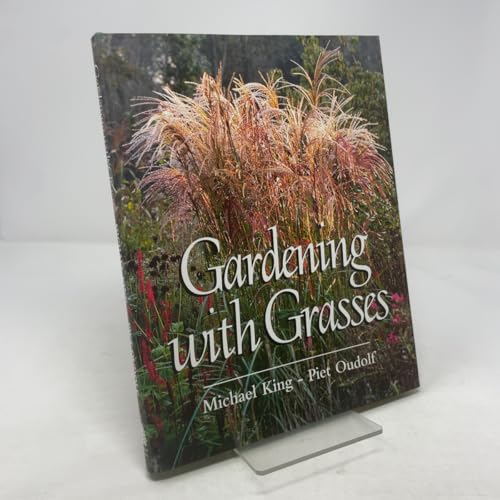
This Timber Press publication focuses on practical grass cultivation for gardens, offering guidelines on species selection, maintenance, and design integration. It emphasizes resilience, seasonal interest, and how grasses can be woven into vegetable, ornamental, and native plantings. For readers seeking actionable advice and garden‑tested techniques, this book provides clear steps and examples to implement in a variety of American climates.
Buying Guide
Key purchase considerations for perennial grasses:
- Climate compatibility: Match species to USDA zones, frost dates, and rainfall patterns. Some grasses tolerate drought better, while others require consistent moisture.
- Sunlight and soil: Assess site exposure—full sun plants may thrive in hot western exposures, while partial shade grasses can enrich woodland or courtyard beds. Soil drainage influences root health and vigor.
- Growth habit and height: Plan vertical layering by combining compact grasses with tall specimens to avoid crowding and ensure visibility of flowering plumes.
- Maintenance needs: Consider pruning schedules, deadheading, and fertilization. Drought‑tolerant varieties often demand less irrigation and upkeep.
- Hardiness and regulations: Check local hardiness and regional shipping restrictions, especially for certain ornamental grasses that may be subject to import rules.
- Establishment and propagation: Some grasses establish quickly and spread, while others stay clump‑forming. Decide based on space and desired expansion.
- Design integration: Use grasses to anchor borders, create movement, and provide seasonal color from seed heads and foliage. Pair with shrubs, perennials, and hardscape for year‑round interest.
Multiple perspectives help gardeners select grasses that balance aesthetics, climate resilience, and maintenance. For small urban plots, dwarf or clump‑forming varieties deliver texture without overwhelming space. For large landscapes, tall grasses can function as soft screens or architectural backdrops. In regions with hot summers, drought‑tolerant options reduce water use while still delivering strong visual impact. Combining literature resources with field observations offers the most reliable path to a sustainable, beautiful grass‑driven landscape.