Shade-friendly ferns bring year-round texture, color, and architectural form to gardens, borders, and containers. The following selections are perennial, hardy in many American regions, and thrive with partial to full shade. This guide highlights five standout varieties, each with distinctive fronds, growth habits, and care needs to help you choose the right fern for your shady spots.
Summary table of selected products:
| Product | Brand | Typical Use | Shade Preference |
|---|---|---|---|
| Autumn Fern Plants Live Outdoor Plants | Plants for Pets | Ground cover, edging, borders | Partial to full shade |
| Japanese Painted Fern + Athyrium Niponicum | Greenwood Nursery | Shade gardens, woodland, containers | Partial to full shade |
| Sprengeri Fern – Live Asparagus Fern | Tropical Plants of Florida | Hanging baskets, planters, pots | Shaded spaces; tolerates some sun |
| Autumn Fern (Dryopteris erythrosora) – Brilliance | Perennial Farm Marketplace | Open or dappled shade | Partial to full shade |
| Japanese Painted Fern + Athyrium Niponicum | Greenwood Nursery | Shade gardens, woodland, containers | Partial to full shade |
Autumn Fern Plants For Shade Edging And Beds
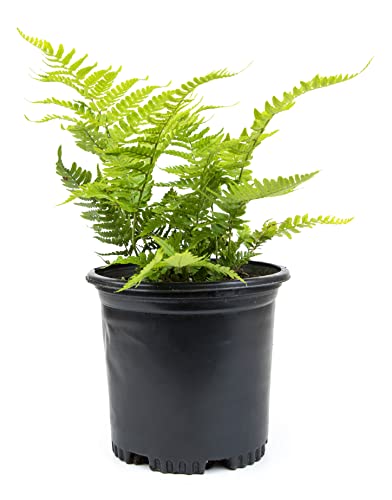
The Autumn Fern from Plants for Pets is sold in a 1-gallon nursery pot and is positioned as a hardy, evergreen component for borders, ground cover, or patio-theater landscaping. Its robust presence makes it suitable for lawn edging along pathways or for planting in pots and hanging baskets. The plant’s size and growth habit support quick landscape impact, with foliage that holds well in shade. For outdoor spaces, this fern offers reliable performance and a naturalistic aesthetic that blends with other shade-loving perennials.
Key considerations: This fern is described as a practical choice for edging and borders, providing dense, repeatable texture along pathways. Its potential alongside ground-cover plants and evergreen shrubs enhances a layered shade garden. Gardeners should ensure well-drained soil and partial shade in warmer climates for best results. The plant’s adaptability to patio décor and privacy walls adds versatility beyond traditional in-ground beds.
Japanese Painted Fern + Athyrium Niponicum (Qty: 2X Pint Pots)
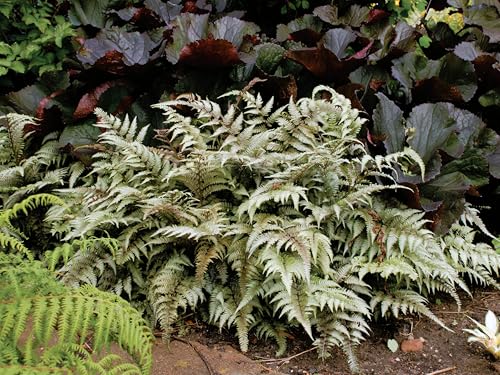
Greenwood Nursery’s Japanese Painted Fern is prized for its striking silver-gray fronds with burgundy accents, creating contrast and brightness in shadier areas. This variety is noted for hardy performance across most of the United States, except extreme desert regions, and is often a slow-spreading clump suitable for shade gardens, streamsides, or containers. Its variegated foliage adds a dynamic color element to woodland or ornamental borders, making it an attractive focal or backdrop plant in mixed plantings.
Key considerations: Its compact to mid-sized habit makes it versatile for borders, containers, and shaded garden accents. It prefers shade to part shade and well-drained, moist soil. Because growth is slow-to-moderate, it’s suitable for gardeners who appreciate a steady, durable presence rather than rapid spread.
Autumn Fern (Dryopteris Erythrosora) Brilliance

Perennial Farm Marketplace offers Dryopteris erythrosora ‘Brilliance’, a copper-toned young frond that matures to dark green. This autumn fern is described as hardy in USDA zones 5-9 and thrives in open or dappled shade. The evergreen-leaning fronds provide a long-season presence, with copper hues adding seasonal interest in early spring or fall. This fern’s height typically reaches 24 inches, with an upright form that complements other shade-tolerant perennials and groundcovers.
Key considerations: Soils rich in organic matter support this fern’s health, and spacing recommendations suggest keeping plants about 18 inches apart to maintain air circulation and reduce competition. Zone compatibility matters for gardeners outside the listed ranges, so check local frost and heat patterns when planning plantings.
Japanese Painted Fern – Athyrium Nipponicum (Qty: 1 Pint Pot)
Greenwood Nursery’s second listing for the Japanese Painted Fern emphasizes its colorful, low-growing habit and its ability to brighten shade gardens, woodland areas, or container plantings. It shares the attributes of robust shade tolerance and a decorative frond palette that can stand up to other greens in a mixed border. The product’s zone guidance mirrors the first listing, reinforcing its suitability for a broad range of climates when planted in partial to full shade and well-drained soil.
Key considerations: The variety is described as slow-growing, which helps with maintenance and container planning. It pairs well with other shade-loving perennials and can be a reliable choice for gardeners seeking year-to-year structure with seasonal color shifts.
Tassel Fern (Polystichum Polyblepharum) – Hardy And Shiny

Polystichum polyblepharum, commonly called Tassel Fern, is described as hardy in USDA zones 5-8 with a dark evergreen frond canopy and a glossy, neat rosette habit. It tolerates full to partial shade and typically grows 18–24 inches tall, making it a reliable backbone plant for a shaded border or woodland edge. The evergreen fronds contribute year-round structure, with a tidy silhouette suitable for formal or naturalistic designs alike. Space plants about 18 inches apart to allow air movement and growth to mature gracefully.
Key considerations: This fern’s full-to-part shade tolerance makes it a versatile option for garden beds, rockeries, and under trees. It’s a solid choice when you want a dependable, low-maintenance evergreen fern that delivers steady color and texture through multiple seasons.
Ostrich Fern And Matteuccia Struthiopteris

Greenwood Nursery offers Ostrich Fern and Matteuccia struthiopteris as a two-plant option, highlighting large, vase-shaped fronds and a robust growth pattern. It emphasizes moist, humus-rich soils and partial to full shade, as well as suitability for bog gardens or areas near streams. The plant is fast-growing and may require more moisture during the heat of summer, with a tendency to spread via underground runners. It’s well-suited for damp, shaded corners where other ferns may struggle to establish.
Key considerations: While ostrich ferns provide dramatic foliage, their aggressive spread means gardeners should plan containment and regular dividing to maintain balance in a mixed border. They thrive in consistently moist conditions but can tolerate occasional dry spells with supplemental watering.
Buying Guide: Key Purchase Considerations And Comparisons
- Shade tolerance: Most of these ferns perform best in partial to full shade. Confirm your site’s light pattern across seasons to select the right cultivar and placement.
- Soil and moisture: Many shade-loving ferns prefer rich, well-drained or consistently moist soil. Incorporate organic matter and mulch to improve moisture retention and root health.
- Growth habit and spacing: Consider whether you want a compact border plant or a dramatic clump-forming species. Plan spacing to accommodate eventual full growth and to prevent crowding with neighboring perennials.
- Hardiness and zones: Check each fern’s USDA hardiness range. Some varieties tolerate colder climates, while others are best suited for milder regions or protected shade structures.
- Container suitability: Some ferns adapt well to containers and hanging baskets, offering flexibility for patios and decks. Ensure pots have drainage and are sized for ongoing growth.
- Maintenance: Most ferns require minimal pruning beyond removing dead fronds. Some, like Ostrich Ferns, spread more aggressively and may need containment planning.
- Aesthetic: Foliage color and form vary—look for fronds with copper tones, silver-gray highlights, or deep green gloss to complement other shade-loving plants.
- Watering needs: Consistent moisture supports vibrant fronds, especially in warm seasons. Avoid letting soils stay completely dry for extended periods.
- Wildlife and pet considerations: Ensure selections align with local wildlife preferences and safety for pets if applicable in your landscape design.
Overall, choosing the right perennial fern for shade hinges on the balance of light, soil, and moisture in your space, along with your design goals—whether you seek bold texture, silver-toned accents, or cascading foliage for hanging baskets. The five options above provide a spectrum of color, form, and performance to help you create a resilient, low-maintenance shade garden that remains verdant throughout the year.