Peat pots are a simple, eco-friendly way to start seeds and reduce transplant shock. Made from recycled pulp, peat pots allow roots to grow through the pot’s walls and be planted directly into the soil. This article highlights five top peat pot kits that balance affordability, biodegradability, and ease of use. Each option includes drainage to prevent waterlogged roots and some kits come with labels and transplanting tools to streamline seed starting. Whether you’re growing vegetables, herbs, or flowers, these seed starter pots help boost germination rates and healthy root development.
| Product | Brand | Includes | Key Benefit |
|---|---|---|---|
| Dalzom 60Pcs 3.1″ Peat Pots | Dalzom | 60 pots, 60 labels | Direct-to-ground planting, minimizes transplant shock |
| CRNHIGY 240 Cells Seed Kit | CRNHIGY | 20 packs of 12-cell pots, transplanting tools, labels | All-in-one seed starting and transplanting kit |
| INCIKITI 40Pcs 3.15″ Pots | INCIKITI | 40 pots, 10 labels | Bio-degradable and soil-decomposable |
| Kimdozee 120 Cells Seed Starter Tray | Kimdozee | 120 cells, 100 labels | Breathable, reduces transplant shock |
| Napia Seed Starter 45 Pack | Napia | 45 pots, 30 labels | Drainage holes for aeration |
Dalzom 60Pcs Peat Pots With Labels

The Dalzom kit includes 60 biodegradable peat pots and an equal number of plant labels. Pots measure 3.1 inches at the top, with a 2-inch bottom diameter and 3 inches in height, designed for seed starting trays. The pots are made from recycled pulp and are 100% biodegradable, allowing direct soil planting to minimize root disturbance. This reduces transplant shock and simplifies garden setup by letting you move seedlings with their pots intact.
Feature highlights include drainage holes to prevent overwatering and a complete package that pairs with standard seed trays. The included plant labels help organize varieties during busy germination periods, while the biodegradable composition supports eco-friendly gardening practices. This option is ideal for hobbyists and beginner gardeners seeking a straightforward, low-waste starting solution.
CRNHIGY 240 Cells Seed Starter Kit
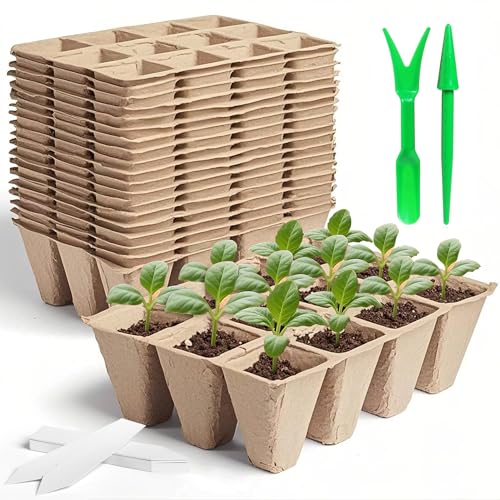
CRNHIGY offers a comprehensive seed-starting system with 240 cells across 20 packs of 12-cell peat pots. The kit includes transplanting tools and plant labels to support efficient seedling management. Like other biodegradable options, these pots are made from natural biodegradable paper pulp, allowing you to plant the pots directly in the soil to avoid root disturbance and minimize transplant shock.
This kit is well-suited for gardeners who seed a wide variety of plants—from vegetables to flowers and herbs. The transplanting tools reduce handling damage during pruning or relocation, and the all-in-one design streamlines the process from germination to transplanting. The eco-friendly materials make it a strong choice for sustainable growing practices.
INCIKITI 40Pcs 3.15″ Peat Pots
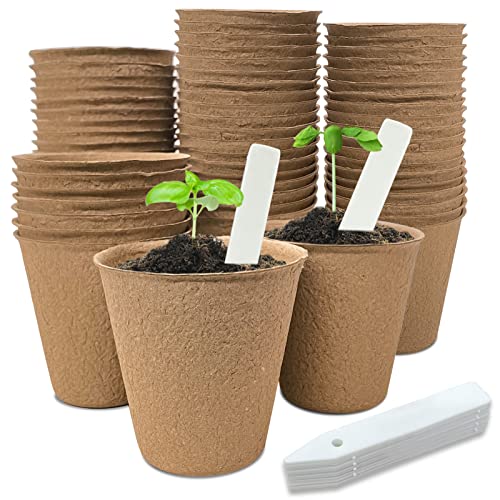
INCIKITI provides a compact kit with 40 pots and 10 labels, sized at 3.15 inches for efficient seedling establishment. The pots are 100% biodegradable, made from recycled pulp and peat moss, and designed to decompose in soil after transplantation. This reduces waste and offers an easy transition from seed start to garden bed, making it an attractive option for small-space gardeners and urban growers.
Designed for starting a range of plants—flowers, herbs, vegetables, and tomatoes—the kit emphasizes soil-friendly biodegradability. The pots’ sturdy build and appropriate dimensions support steady germination and robust early root systems, while the labels help you track variety and sowing dates in bustling spring starts.
Kimdozee 120 Cells Seed Starter Tray

Kimdozee packs 120 seed-starting cells into a compact tray, with 100 accompanying plant labels. Cells measure roughly 1.97 inches on each side, making them suitable for herbs, vegetables, flowers, and microgreens. The design emphasizes root-friendly growth: breathable peat pots allow roots to extend naturally, and the material decomposes after transplantation, reducing root disturbance.
Compatibility with standard propagation setups makes this kit adaptable for indoor seed beds or outdoor seed beds. Gardeners appreciate the balance of volume and manageability, particularly when germinating a diverse set of crops. The included labels help organize sowing schedules, which is especially helpful for those juggling multiple varieties.
Napia Peat Pots Seed Starter

Napia’s 45-pack includes 3.15-inch biodegradable peat pots accompanied by 30 plant labels. The design targets versatile seed starting for vegetables, fruits, flowers, and herbs, with compatibility for most standard 1020 trays. The pots feature four drainage holes at the bottom to promote aeration and water management, supporting healthier root systems as seeds germinate.
The biodegradable construction ensures the pots decompose in soil, contributing organic matter and minimizing waste. This kit is suited for gardeners seeking a moderate-sized starter set with essential labeling and clear drainage to help seedlings thrive from day one.
Buying Guide: Key Considerations for Peat Pots
When choosing peat pots for seed starting, several factors influence success and sustainability. Consider the following perspectives to pick the best option for your setup:
- Biodegradability and compostability: Most options are designed to break down in soil. Verify the material (recycled pulp, peat moss) and confirm whether pots can stay in place during transplant or should be removed.
- Size and cell count: Larger pots provide more initial root space but require more space and larger trays. Match pot size to the crop type and your available growing area.
- Drainage design: Adequate drainage holes prevent root rot and overwatering. Look for pots with multiple holes and test before planting to ensure consistent drainage.
- Transplant ease: Some kits include transplanting tools, labels, and trays. A kit with tools reduces root disturbance and streamlines the transition from seedling to garden bed.
- Labeling and organization: Plant labels help prevent mix-ups when germinating many varieties. Consider labels that are weatherproof or reusable if you’ll reuse trays seasonally.
- Tray compatibility: Ensure the pots fit your standard seed trays (such as 1020 trays) for efficient germination and space utilization.
- Environmental impact: Look for certifications or explicit statements about compostable materials and low-waste packaging to support sustainable gardening practices.
- Budget and scale: For large seedings, kits with many pots and accompanying tools offer value, while smaller kits suit hobbyists or test runs.
In choosing among these options, consider how much space you have, how many varieties you plan to sow, and whether you value bundled tools and labels. All five options above share the core advantages of biodegradable pots, rooted in sustainable gardening practices, while varying in container count, pot size, and included accessories. The result is a flexible set of starting solutions suitable for beginners through experienced gardeners seeking efficient transplant-ready seedlings.