Finding the right growing medium for carnivorous plants is essential for their health and growth. This guide focuses on peat moss-based soils and blends designed to support Venus Flytraps, sundews, pitcher plants, and other carnivorous species. The top picks below are chosen for moisture retention, low nutrient levels, and good drainage—key factors that mimic natural habitats. Whether you’re a beginner or expanding a collection, these blends help maintain proper acidity and moisture. Each product is evaluated for specific plant types, watering needs, and potential limitations.
Summary table of chosen products:
| Product | Best For | Key Benefit | |
|---|---|---|---|
| Perfect Plants Carnivorous Plant Soil — 4 Qt | All common carnivorous plants | Organic, long-term moisture management | Check if you need finer texture for very small roots |
| Omitgoter Carnivorous Soil Mix — 1 Qt | Venus Flytraps, Pitchers, Sundews | Low-nutrient, good drainage | Small package; plan for larger setups |
| Gardenera Carnivorous Soil — 1 Qt | Venus Flytraps, Sundews, Pitchers | Premium blend with air and moisture balance | Contains non-organic base; consider nutrient needs |
| BOG BOSS Premium Carnivorous Soil — 1 Qt | Venus Flytraps, Sundews, Nepenthes | Nutrient-free mix with strong moisture control | Limited nutrient load means rely on feeding for growth |
| Hoffman Canadian Sphagnum Peat Moss — 18 Qt | Base peat for multiple carnivorous blends | Excellent moisture retention and aeration | Pure moss may require mixing with perlite/coir for drainage |
Perfect Plants Carnivorous Plant Soil — 4 Qt
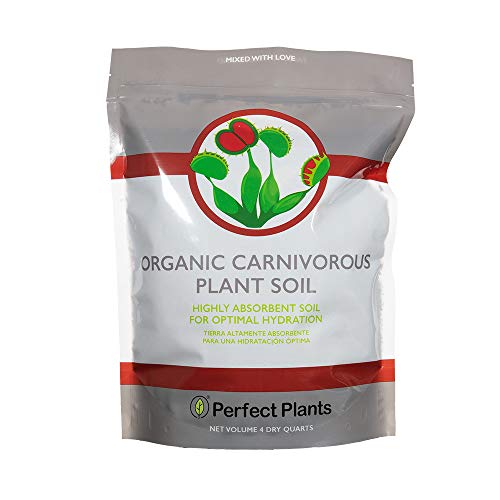
Best for a broad range of carnivorous plants, this organic mix emphasizes acidity and long-term moisture management. The blend is designed to support Venus Flytraps, pitcher plants, sundews, and bladderworts with a consistent growing medium. It is engineered to retain moisture while avoiding overly soggy conditions that can harm roots. This product is ideal for hobbyists who want a reliable, ready-to-use soil base that aligns with the natural habitats of many carnivorous species.
Who it’s best for: beginners who want a straightforward, ready-to-use option and experienced growers seeking consistent results across multiple plant types. Why selected: it combines organic components with moisture control that carnivorous plants typically require, reducing the guesswork during repotting.
One notable caution: while the mix supports long-term growth, some plants may prefer a finer texture. If you notice slow root penetration in very young plants, consider mixing in a small portion of perlite to improve aeration.
Omitgoter Carnivorous Plant Soil Mix — 1 Qt
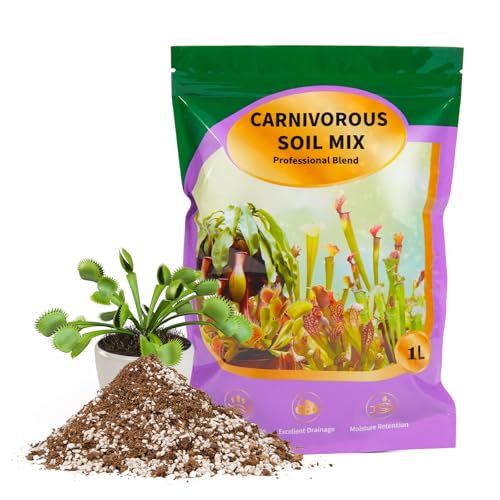
This mix uses a pure peat moss and perlite blend designed to replicate nutrient-poor environments for carnivorous plants. The low-nutrient formula reduces the risk of fertilizer burn, which is critical for sensitive species like Venus Flytraps and sundews. Enhanced drainage and aeration help prevent waterlogged roots, a common issue in high-moisture habitats. The pH is tuned to suit acidic soil preferences, aiding nutrient uptake and growth when paired with appropriate watering.
Best for: growers who want a lightweight, low-nutrient option that emphasizes drainage. Why selected: its simple composition mirrors natural carnivorous habitats, minimizing the risk of nutrient-related stress.
Caution: the 1-quart size may require more frequent repotting or purchasing multiple bags for larger collections. Ensure you maintain consistent moisture without overwatering to avoid root rot.
Gardenera Professional Carnivorous Plant Soil — 1 Qt

This ready-to-use soil blend combines peat moss with coco coir and perlite to support a broad range of carnivorous plants. It emphasizes optimum drainage and aeration to promote healthy root systems. The product is suitable for Venus Flytraps, sundews, pitcher plants, and butterworts, with a focus on balancing moisture levels to prevent root rot while keeping root systems adequately hydrated. It’s particularly useful for growers who want a consistent, premixed medium that works across several species.
Who it’s best for: gardeners seeking a reliable, premixed blend that covers multiple carnivorous varieties. Why selected: it balances moisture retention with good drainage, reducing the manual mixing work for hobbyists.
Limitations: while effective for many species, some cultivars may prefer a different texture or nutrient profile. Consider supplementing with pure peat moss or perlite in specific cases to tailor drainage and aeration.
BOG BOSS Premium Carnivorous Soil Blend — 1 Qt

This nutrient-free soil blend mirrors natural carnivorous plant habitats, focusing on moisture retention and precise moisture balance. It supports key carnivorous species, including Venus Flytraps, sundews, Nepenthes, pitcher plants, and butterworts, by preventing fertilizer burn and root rot. The emphasis on low-nutrient conditions aligns with the feeding needs of these plants, encouraging natural growth patterns rather than reliance on nutrients in the medium.
Best for: growers who want a fertilizer-free base that prioritizes hydration and root health. Why chosen: its nutrient-free design reduces the risk of accidental over-fertilization, which can harm sensitive roots.
Limitation: this blend relies on plant feeding for growth; absence of nutrients in the soil means you must feed carnivorous plants appropriately to avoid slower development.
Hoffman Canadian Sphagnum Peat Moss — 18 Quart

Pure sphagnum peat moss is a foundational component for many carnivorous plant mixes. It offers exceptional moisture retention and aeration, making it a staple base or additive for peat-based blends. While peat moss alone provides excellent water-holding capacity, it benefits from mixing with perlite or coco coir to improve drainage and root structure for some species. This product is ideal for builders who want to customize their own soil blends while ensuring a high-quality base material.
Who it’s best for: DIY enthusiasts and experienced growers who prefer customizing soil recipes. Why selected: high-quality peat moss is a versatile base for multiple carnivorous plant blends, enabling precise control over texture and moisture.
Caution: pure peat moss can compact over time if not mixed properly. Regularly monitor moisture and texture to keep roots well-aerated.
Buying Guide: Peat Moss and Carnivorous Plant Soils
What makes peat moss suitable for carnivorous plants?
Peat moss provides excellent moisture retention and a low-nutrient environment, closely mimicking the natural bog habitats of many carnivorous species. It helps maintain a steady supply of humidity and moisture without contributing excess nutrients that could harm sensitive roots.
What should you look for in a carnivorous soil mix?
- Low nutrient levels to reduce fertilizer burn.
- Good drainage to prevent root rot and waterlogging.
- Acidic pH aligned with carnivorous plant preferences.
- Texture appropriate for the plant size and root system.
- Compatibility with multiple carnivorous species if you grow a collection.
Should you mix peat moss with other components?
Yes. Pure peat moss can retain too much moisture or become challenging to manage in some setups. Common additives include perlite, orchid bark, or coco coir to improve drainage and aeration. Blends like peat moss with perlite or coco coir are popular for balancing water retention with air access for roots.
How to choose the right product for your collection?
- Beginners: choose ready-to-use mixes labeled for carnivorous plants to minimize guesswork.
- Multiple species: select blends described as suitable for Venus Flytraps, sundews, and pitcher plants.
- DIY preference: consider high-quality peat moss as a base and customize with perlite or coir.
Maintenance tips for long-term success
- Keep a consistent moisture level that matches plant species needs—never soggy.
- Repot only when necessary to reduce stress; use fresh medium during repotting.
- Monitor for signs of nutrient burn or root stress and adjust substrate accordingly.
- Provide appropriate humidity and light to support growth in combination with the soil.
FAQ
- Q: Is peat moss safe for all carnivorous plants? A: Yes, when used in low-nutrient blends and with proper drainage; some species prefer specific textures.
- Q: Can I use peat moss alone? A: It can work as a base, but most growers mix it with perlite or coco coir to improve drainage and aeration.
- Q: How often should I repot carnivorous plants? A: Repotting frequency depends on plant growth and medium breakdown; plan for 1–2 years for many species unless growth dictates sooner.
- Q: Do these soils affect feeding requirements? A: Soils with low nutrients reduce the risk of fertilizer burn; feeding should be adjusted to plant needs and species.
- Q: Are these products organic or synthetic? A: Many blends use organic components; some mixes are nutrient-free or non-organic depending on the formulation.
- Q: Which product is best for beginners? A: Ready-to-use blends labeled for carnivorous plants simplify care and repotting for new growers.