Cold-hardy peach trees can thrive in Zone 5 with proper care. This guide highlights five reliable options suited to Zone 5 gardens, balconies, or small yards. Each choice features self-pollinating or minimal-pollinator requirements, strong growth habits, and fruit quality that adapts to cooler winters.
| Product | Self-Pollinating | Key Benefit | Zone Range |
|---|---|---|---|
| Red Haven Peach Tree | Yes | Heavy-bearing, flavorful red-skinned peaches | Zone 5-9 |
| Belle of Georgia White Peach Tree | Self-fertile | White-fleshed fruit, late-summer harvest | Zone 5-8 |
| Loring Peach Tree | Self-pollinating | Large, sweet fruit with strong cold hardiness | Zone 5-9 |
| Red Haven (Perfect Plants) | Self-pollinating | Sweet peaches with ornamental blossoms | Zone 5-8 |
| Elberta Peach Tree (Brighter Blooms) | Pollination optional | Big, juicy peaches with classic flavor | Zone 5-9 |
The following sections provide concise overviews of five Zone 5-friendly peach trees drawn from widely available barcodes and listings. Each entry includes a direct product link, a quick visual reference, and the core features to support an informed selection for Zone 5 landscapes and containers alike.
Red Haven Peach Tree

The Red Haven peach is a freestone, heavy-bearing variety that produces flavorful red-skinned peaches. This deciduous tree is suited to Zone 5 climates when planted in well-drained, sandy-loam soil with a slightly acidic to neutral pH. It is self-pollinating, so a single tree can yield fruit in a typical home garden. Note: Due to agricultural laws, shipments to CA, AZ, AK, or HI are not available; orders to those states will be refunded.
Belle of Georgia White Peach Tree
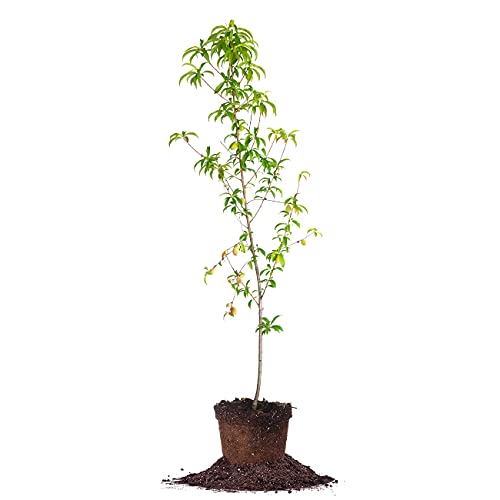
The Belle of Georgia White Peach Tree is a self-fertile cultivar known for producing large white-fleshed peaches. It tolerates a range of environments and grows well in zones 5 through 8. With 800 chill hours required for fruit production, this variety is suitable for regions with moderate winter activity. It’s ideal for front yards, patios, or backyard orchards where space is limited.
Loring Peach Tree

The Loring peach is a freestone, large, sweet fruit option known for strong cold-hardiness. This self-pollinating tree helps ensure fruit production in Zone 5 climates. It typically forms a sturdy, upright habit and adapts to a range of soil types with good drainage. Areas with short, cool springs tend to favor successful blooming and fruit set. As with other listings, note that some shipments to certain states may be restricted by agricultural laws.
Perfect Plants Red Haven Peach Tree

This Red Haven cultivar is described as a 4- to 5-foot live fruit tree that produces juicy peaches ripening in July. It features fragrant pink blossoms in spring, contributing ornamental value to landscapes. The tree thrives in USDA zones 5 through 8 and requires full sun with well-draining soil. It’s well-suited for smaller yards or container setups where space is at a premium, and it remains self-pollinating for simpler fruit set.
Elberta Peach Tree

The Brighter Blooms Elberta Peach Tree is a classic choice for lovers of large, juicy fruit. It is rated for zones that include Zone 5 climates and is known for dependable production. The listing notes a broad shipping range restriction that excludes several western states due to agricultural laws. The Elberta variety is celebrated for its firm texture and rich flavor, making it a versatile option for fresh eating and culinary uses alike.
Buying Guide
- Climate compatibility: Zone 5 fruit trees typically require adequate winter chilling and well-drained soil. Look for cultivars labeled zone 5–8 or zone 5–9 for broader adaptability.
- Pollination needs: Self-pollinating varieties simplify planting in smaller spaces. If choosing a non-self-pollinator, plan for two compatible cultivars to ensure fruit set.
- Soil and drainage: Peach trees prefer sandy-loam soils with good drainage and slightly acidic to neutral pH. Improve soil with organic matter if drainage is a concern.
- Sun exposure: Aim for full sun (at least 6–8 hours daily) to maximize bloom potential and fruit quality.
- Container vs. in-ground: Dwarf and patio cultivars are ideal for containers, especially in restricted spaces. Ensure containers have ample drainage and stability for winter protection.
- Winter protection: Zone 5 winters can be harsh. Mulch around the base, consider protective wraps, and ensure root zones are insulated to reduce winter injury.
- Shipping restrictions: Some listings restrict shipments to certain states. Verify eligibility before purchasing to avoid order cancellations and refunds.
- Maintenance: Regular pruning, thinning of fruit, and consistent watering during dry spells support healthier trees and better yields over time.