When selecting a paver sand cement mix, you want a product that delivers joint stability, weather resistance, and a clean, finished look. This guide compares five polymeric and traditional mixes to help homeowners and professionals choose the right option for driveways, patios, and walkways. The top picks are best for different joint sizes, installation ease, and performance under varying weather conditions. Use the quick reference table below to compare key details at a glance.
| Product | Best For | Joint Range | Installation Ease |
|---|---|---|---|
| Dominators Polymeric Sand (Ceramic Flex, Gray) | Moderate to large residential patios and stone landscapes | 1/8” to 4” | Easy Pour, cement-free formula |
| Dominators Polymeric Sand (Ceramic Flex, Charcoal) | Stylish, darker-toned patios and high-contrast surfaces | 1/8” to 4” | Easy Pour, cement-free formula |
| QUIKRETE Construction Grade Mortar Mix | Brick and block projects, stone setting | N/A (mortar mix, different use) | Traditional mixing and application |
| Rhino Power Bond Plus Polymeric Sand | Driveways, walkways, and areas around pools | Up to 2 inches | Polymeric bind with weather tolerance |
| Dominators Natural Ivory Polymeric Sand (Ceramic Flex) | Light-colored stone and paver layouts needing subtle contrast | 1/8” to 4” | Easy Pour, cement-free formula |
Dominators Polymeric Sand with Ceramic Flex Technology — Gray

Best for: Homeowners installing decorative gray or neutral-toned pavers on terraces and patios. This gray shade helps hide minor dust and blends with stonework. Why selected: Ceramic Flex technology provides flexibility and strength in joints from 1/8 inch to 4 inches, reducing cracking and settling. Easy Pour Handle simplifies carrying and distribution, speeding up installation. Caution: This product is not a substitute for grout, mortar, or paver edging.
Dominators Polymeric Sand with Ceramic Flex Technology — Charcoal Gray

Best for: Projects requiring a deeper, charcoal tone to highlight bold architectural lines. Why selected: Similar Ceramic Flex formula delivers joint flexibility and durability for 1/8″–4″ joints, with an Easy Pour bag that aids precise installation. Caution: Not a grout or mortar substitute; follow surface preparation guidelines for best results.
QUIKRETE Construction Grade Mortar Mix
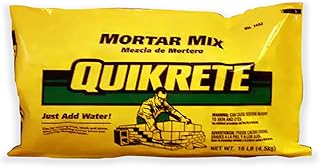
Best for: Bricklaying, masonry, and laying masonry units where traditional grout or mortar is required. Why selected: Provides masonry cement and graded sand for solid joints in brick and stone projects. Caution: This is a mortar mix, not a polymeric jointing sand; mixing ratios and curing differ from polymeric sands.
Rhino Power Bond Plus Polymeric Sand — Slate Gray

Best for: Outdoor spaces exposed to variable weather, including driveways and pool surroundings, where a slate-gray color is desirable. Why selected: Formulated for use with pavers and wet cast based pavers, with weather resistance to rain, snow, and sun. Caution: Data notes indicate suitability for up to two inches; check joint sizing for your project to ensure compatibility.
Dominators Natural Ivory Polymeric Sand with Ceramic Flex Technology

Best for: Light-toned paver layouts where a subtle, natural ivory look is desired. Why selected: Ceramic Flex technology provides joint flexibility and durability for 1/8″ to 4″ joints, while the ivory shade adds contrast without overpowering stone colors. Caution: Not a substitute for grout or mortar; use as designed for joint stabilization and beauty.
Buying Guide
What joint width should I use polymeric sand for?
Most polymeric sands, including Ceramic Flex formulas, cover joint widths from about 1/8 inch to 4 inches. Verify the product’s listed range on the packaging to match your paver size and desired stability.
What finishes and colors matter for curb appeal?
Shade choices like gray, charcoal, and ivory can dramatically affect the overall look. Lighter colors conceal less dust, while darker shades offer a striking contrast against light pavers. Consider how the shade will blend with your stone or brickwork.
Is polymeric sand weatherproof?
High-quality polymeric sands are formulated to resist erosion, weed growth, and insect intrusion while maintaining joint stability under sun and rain. Review the product features for weather tolerance and installation guidance.
When should I avoid polymeric sand?
Polymeric sands are not suitable as replacements for mortar or grout. They are designed for joints between pavers and should be used according to the manufacturer’s instructions for best results.
What installation considerations reduce failure?
Clean joints, dry conditions, and proper tamping are essential. Avoid installing in freezing temperatures or wet conditions that can hinder curing and performance. Follow bag directions for sweeping, compacting, and sealing after installation.
How do I choose between sand types?
Polymeric sands offer durability and maintenance advantages for joints with greater stability needs. Traditional mortars are necessary for masonry joints requiring cement bonding. Your choice depends on joint width, surface type, and exposure to weather.
FAQ
- What is Ceramic Flex technology?
It is a polymeric sand formula designed to provide joint flexibility and durability, helping prevent cracking in varying joint widths. - Can I use polymeric sand on wet surfaces?
No; apply when joints and surroundings are dry to ensure proper setting and bonding. - Are darker polymeric sands harder to maintain?
Dark shades can show dust less than light shades but may require more frequent cleaning to preserve contrast with pavers. - Is there a recommended joint width for most driveways?
Most project guides support 1/8″ to 4″ joints for residential paver installations, depending on paver size and edge restraints. - Why choose ivory or gray sands?
Color choice affects visibility of gaps and overall aesthetic; choose shade that complements your pavers and surrounding features.