Gardeners in Zone 5 can achieve year-round interest with the right mix of evergreens, flowering trees, and fruit-bearing varieties. This article highlights five ornamental trees suitable for cold winters, variable springs, and hot summers, offering privacy, shade, color, and even harvests. Each selection is evaluated for growth habit, hardiness, and landscape role to help you choose plants that thrive in cooler climates while enhancing curb appeal.
Summary of Selected Products
| Product | Brand | Key Benefit | Hardiness Notes |
|---|---|---|---|
| Thuja Green Giant 3 Gallon | Perfect Plants | Fast privacy screen | Zones 5-8, grows up to 3 ft/yr |
| Banana Basjoo Plants (4 Pack) | Fam Plants | Tropical accent with shade | Zones 5–11, frost-trost tolerant with protection |
| Krauter Vesuvius Plum Tree | Generic | Dark purple foliage, pink flowers | Zones 5-8, 15–20 ft mature |
| Perfect Plants Chestnut Tree | Perfect Plants | Nut harvest and shade | Growth up to 3 ft/yr, self-fertile |
| Belle of Georgia White Peach Tree | Perfect Plants | Delicious peaches, ornamental blossoms | Zones 5-8, 800 chill hours |
Thuja Green Giant For Privacy And Structure

Thuja Green Giant is a popular evergreen option for Zone 5 landscapes, valued for rapid height and dense growth. This cultivar can form an effective privacy screen or a natural windbreak when planted in rows, with substantial year-round foliage. It is capable of reaching substantial mature dimensions, making it suitable for defining property lines or accents without daily maintenance. Note that shipping restrictions apply to certain states, including California and Arizona, due to state law.
Banana Basjoo: Cold-Hardy Tropical Look

Banana Basjoo plants bring a dramatic tropical vibe to Zone 5 gardens, offering large, lush leaves that create a bold focal point or a shaded microclimate. The 4-pack provides rooted starters ready for ground planting or container culture. While Basjoo can survive winter in zones 5–11 with protection, plan for winter mulching or hardier microclimates to maximize overwinter survival and spring growth.
Krauter Vesuvius Plum: Purple Foliage
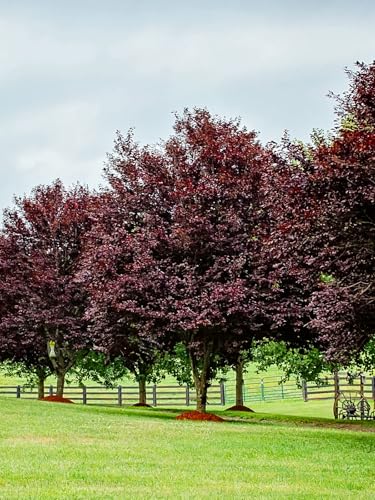
This ornamental plum offers striking dark purple foliage and light pink blossoms, delivering visual drama in early season beds or as a standalone specimen. With zones 5-8 suitability and a mature height of 15–20 feet, it adds vertical interest without excessive maintenance. Note: agricultural laws restrict shipping to certain states, so verify eligibility before ordering.
Perfect Plants American Chestnut Tree

The American hybrid chestnut tree combines shade-providing stature with edible potential. This 4–5 foot starter grows rapidly, offering a long-term nut harvest as an added landscape feature. For best cross-pollination and nut yield, consider planting multiple trees in proximity. Chestnut trees fit well in large yards or orchard-style layouts, contributing seasonal interest and wildlife value.
Belle Of Georgia White Peach Tree
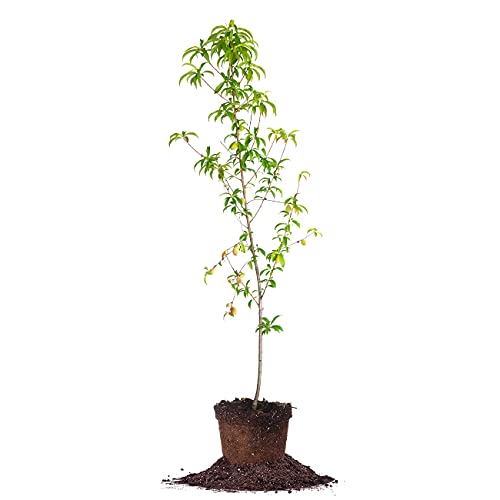
The Belle of Georgia is a white-fleshed peach cultivar known for reliable fruiting in many Zone 5 gardens. With self-fertile traits and a manageable size, it suits smaller yards while still delivering a harvest. It requires adequate chill hours and full sun to produce consistently, making it a practical choice for homeowners seeking both ornament and fruit.
Buying Guide: Key Purchase Considerations
- Hardiness and microclimate: Zone compatibility matters. Verify each plant’s listed zones and consider protecting delicate varieties with mulch, windbreaks, or containers that can be moved indoors during cold snaps.
- Purpose and landscape role: Decide whether you want privacy screening, focal ornament, edible harvest, or a tropical accent. Some trees provide multiple benefits (e.g., evergreen structure plus fruit).
- Growth rate and mature size: Fast-growing varieties reach full impact quickly but may require pruning and space management. Compare full-grown footprint to available yard space before planting.
- Maintenance requirements: Consider irrigation needs, pruning frequency, and disease resistance. Artificial alternatives offer year-round greenery with minimal effort, but natural trees provide ecological benefits and a longer lifespan.
- Legal and shipping considerations: Some species cannot be shipped to certain states due to agricultural laws. Confirm eligibility and any restrictions before purchase.
- Soil and sun exposure: Most fruiting trees prefer full sun and well-drained soil. Amend soil if necessary and factor in local rainfall patterns for sustained health.
- Container vs. in-ground planting: Container-grown trees allow mobility and seasonal adjustments, but some species establish best when planted in the ground with ample root space.
In Zone 5 landscapes, blending evergreen screening with fruiting or flowering trees creates year-round appeal. When selecting, balance aesthetic goals with climate resilience, soil conditions, and available space to ensure a thriving, low-maintenance addition to your yard.