Answering the practical question, these oriole jelly bird feeders are designed to attract Baltimore orioles and other fruit-loving birds with jelly, nectar, or fruit pieces. This guide highlights five top options, explaining who each is best for, why it stands out, and any limitations to consider. Whether you want simple jelly refills, weather protection, or easy-clean designs, you’ll find a feeder that suits decks, porches, and gardens.
Overview at a glance: the following table compares key buyer information for the top picks. Use it to quickly assess capacity, refilling ease, and weather protection before diving into full product details.
| Product | Best For | Capacity | Highlight |
|---|---|---|---|
| Nature’s Way OFP1 All-in-One Oriole Buffet Bird Feeder | All-in-one jelly, nectar, and fruit feeding | Multiple removable dishes | Bee guards and protective baffle |
| Perky Pet Jelly Feeder Oriole 32 Oz | Simple, large-capacity jelly feeding | 32 oz | Large jelly capacity for longer intervals |
| Wild Bird Feeder, Oriole Jelly Feeder | Easy jelly refilling and visibility | Depends on jelly jar setup | Inverted jelly jar design |
| Gbekery Oriole Feeders for Outdoors | All-in-one recycled plastic feeder | Removable glass cup | Eco-friendly material and removable cup |
| Birds Choice Oriole Single Cup Feeder | Durable, compact feeding station | 3 oz cup | Durable construction and easy cleaning |
Nature’s Way OFP1 All-in-One Oriole Buffet Bird Feeder, Orange

This all-in-one feeder is designed for versatility, allowing nectar, jelly, and fruit feeding from a single station. The removable bee guards help minimize intrusions, while the three removable jelly dishes simplify refilling and cleaning. A clear protective baffle guards against weather and debris while preserving bird visibility. Best for buyers who want flexibility and easier maintenance in one unit. A potential limitation is the need to monitor multiple feeding ports when jelly is actively consumed.
Perky Pet Jelly Feeder Oriole 32 Oz

With a 32-ounce capacity, this feeder is well-suited for households that want reduced refill frequency. The large capacity supports longer viewing and feeding sessions, making it a practical choice for busy households or larger yards. Best for households that prefer fewer refills, especially during peak orioles’ feeding windows. A limitation is that the product features basic capacity notes without additional weather-protection features described in other models.
Wild Bird Feeder, Oriole Jelly Feeder

This feeder emphasizes an inverted jelly jar design to simplify refilling and reduce mess. It attracts Baltimore orioles with its bright orange color and hanging mount, offering a visually appealing option for decks or gardens. Best for buyers who value simple refilling and a straightforward setup. A potential drawback is reliance on a compatible jelly jar system, which may require careful maintenance to prevent leaks.
Gbekery Oriole Feeders for Outdoors

This all-in-one feeder uses recycled plastic for an eco-friendly option and includes a removable glass cup for easy filling with jelly, fruit, or nectar. The design accommodates hanging on multiple sides with a focus on safety and durability in various weather conditions. Best for environmentally conscious buyers who want a versatile feeding station. The glass cup requires careful handling to avoid breakage in windy outdoor spaces.
Birds Choice Oriole Single Cup Feeder
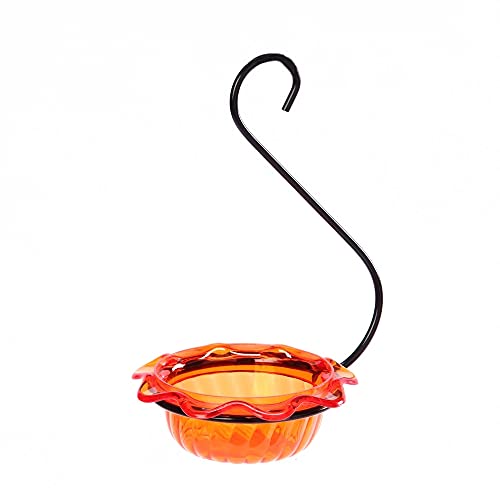
This single-cup feeder concentrates feeding into one 3-ounce cup, making it ideal for small spaces or balcony setups. The durable polycarbonate cup and steel hanger offer dependable use in outdoor environments. Best for compact spaces where a dedicated jelly or nectar station is preferred. Limitation: smaller capacity means more frequent refills in high-traffic times.
Buying Guide: How to Choose the Right Oriole Jelly Feeder
What capacity do you need?
Consider how often you want to refill. Large-capacity models reduce maintenance but may be heavier to handle. Smaller cups are easier to manage but require more frequent attention.
What feeding options matter most?
Determine whether you want jelly, nectar, and fruit in one unit or if a single focus on jelly is sufficient. All-in-one designs offer flexibility but can be more complex to clean.
How important is weather protection?
Bee guards, protective baffles, and weather shields help keep feed fresh and deter unwanted visitors. If you live in wet or windy areas, prioritize models with weather protection.
Is ease of cleaning a priority?
Removable dishes, removable cups, and washable components reduce maintenance time and improve hygiene. Look for designs that separate feeding ports for thorough cleaning.
Where will it be used?
Decks, patios, and gardens each have unique space constraints. Hanging designs, compact cups, and durable hangers are factors to match to your space.
Materials: plastic, glass, or recycled options?
Plastic is lightweight and affordable, but broken glass and fragile components should be considered for areas with wind. Recycled or eco-friendly materials appeal to sustainability-minded buyers, though durability varies.
Safety and maintenance considerations
Check for bee guards, sturdy hangers, and non-toxic construction. Regular cleaning and timely jelly or fruit replacement help keep birds healthy and feeders appealing.
FAQ
- What jelly works best for orioles?
- How often should I clean an oriole jelly feeder?
- Can I use nectar and jelly at the same time?
- Are aluminum or metal feeders better outdoors?
- How do I attract Baltimore orioles specifically?
- Is a larger capacity always better?
Ornamental grape jelly is a common favorite; avoid jellies with high sugar content or artificial additives. Use fresh jelly and refill as needed to prevent spoilage.
Clean the feeder every 1–2 weeks or more often if you notice mold, residue buildup, or insect activity.
Yes, many all-in-one feeders are designed to hold both nectar and jelly. Ensure ports are clearly separated to prevent cross-contamination.
Metal feeders offer durability, but some finishes may corrode in wet climates. Choose corrosion-resistant coatings and ensure safe hanging hardware.
Orioles respond to bright orange colors, fruit scents, and fruit-flavored offerings. Display the feeder in a sunny spot with a clear view of the area.
Not necessarily. A larger capacity reduces refills but increases weight and may complicate cleaning. Match capacity to your bird activity level and space.