The top choice for fruit-tree care is organza bags that balance airflow with pest protection. This guide highlights five reliable bags that suit different fruit sizes and garden setups, helping you prevent insects, birds, and pests while keeping fruits ripening naturally. Ideal buyers include backyard orchardists, balcony gardeners, and fruit enthusiasts seeking reusable, breathable covers. Below, compare options, usage tips, and a practical buying guide to help you pick the right bag for your trees.
| Product | Best For | Size | Key Benefit |
|---|---|---|---|
| SmileLucky 50PCS 6×8 Green Organza Bags | Small fruits on bushes | 6×8 in | Breathable, easy drawstring |
| HRX Package 100pcs 6×9 Green Bags | Mixed fruits and vegetables | 6×9 in | Double drawstring, sturdy |
| NIUBIER 50 Pcs 6×9 Green Bags | Medium fruit crops | 6×9 in | Dense mesh, reusable |
| SKYHUG 100Pcs Multi-Size Bags | Various fruit types | S/M/L | UV-transparent, versatile |
| FloraSea 50 PCS 6×9 Green Bags | Common orchard fruits | 6×9 in | Sturdy polyester, easy closure |
SmileLucky 50Pcs 6×8 Green Organza Bags
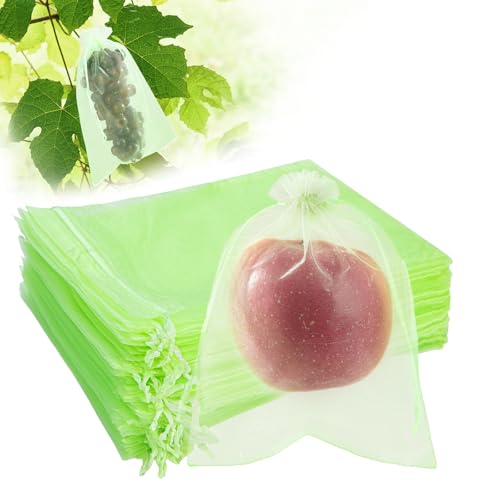
Best for small fruit varieties and tight spaces. These 6×8 inch bags use a breathable mesh that supports natural growth by allowing water and sunlight to pass through. The nylon fabric is durable and reusable, with stitch reinforcement for repeated seasons. The drawstring closure keeps bags secure around branches, while still enabling easy fruit access. Suitable for apples, small tomatoes, berries, and citrus varieties that require light protection without restricting growth. A potential limitation is coverage for larger fruit clusters, where bigger sizes may be more efficient.
HRX Package 100pcs 6×9 Green Bags

Best for a broader range of fruits and vegetables. The 6×9 inch bags feature tough polyester mesh, are lightweight, and gentle on fruit. They come with a double drawstring for secure closure, reducing the chance of detaching from branches in windy conditions. Ideal for mangoes, tomatoes, and pomegranates. Caution: larger fruits on very long branches may require bigger sizes or alternative coverings to maintain coverage during rapid growth.
NIUBIER 50 Pcs 6×9 Green Bags

Best for flexible, long-season use on mixed crops. These bags use a dense mesh and tight weave to effectively deter insects, birds, and small animals while allowing air flow. The polyester organza is reusable after washing, which suits gardeners seeking durability. Double drawstrings enable snug fit around larger fruits. Limitation: the mesh might be too fine for very large fruit clusters, so size selection matters for optimal coverage.
SKYHUG 100Pcs Multi-Size Bags

Best for orchard diversity and home balcony use. This multi-size kit covers berries to apples and citrus with S/M/L options. The bags are UV-transparent, allowing sunlight and airflow while blocking insects and birds. They double as gift bags or organizers when not used for fruit. Use caution with very small fruit that might slip through if not fully cinched.
FloraSea 50 PCS 6×9 Green Bags

Best for standard orchard setups and general fruit protection. The 6×9 inch bags provide a reliable balance of coverage and airflow, suitable for apples, peaches, pears, and similar crops. The polyester material is sturdy, and the double-pull closure helps secure protection with minimal effort. A potential limitation is that very large fruit or dense clusters may require larger sizes or multiple bags per fruit to ensure full coverage.
Buying Guide: Key Considerations For Organza Fruit Bags
- Size matters: Match the bag size to the fruit type and tree vigor. Smaller bags suit berries and small fruits; larger bags handle mangoes, grapes, and larger apples.
- Mesh density and airflow: Denser meshes provide stronger pest protection but may restrict ripening if too tight. Choose a mesh that balances protection with natural light and air.
- Closure design: Double drawstrings are easier to install and remove, reducing fruit damage during checks. Consider ease of use and how often you’ll inspect fruit.
- Durability and reuse: Reusable nylon or polyester bags save money over time. Look for reinforced stitching to withstand multiple seasons.
- UV exposure and climate: UV-transparent options help with sun exposure, supporting color and sugar development while deterring pests. In very wet climates, ensure bags dry quickly to prevent mold.
- Coverage strategy: For mixed orchards, a combination of sizes ensures each fruit is protected without crowding branches or causing tangling during harvest.
Frequently Asked Questions
- Are organza bags safe for fruit ripening? Yes, they pass air and light while keeping pests away, which supports natural ripening when sized correctly.
- Can I reuse bags after washing? Most bags are designed to be reusable; simply wash according to the product care instructions and air dry.
- Which bag size should I start with for apples? A 6×9 inch bag typically covers most small to medium apples; larger apples may need 8×12 or a larger option.
- How many bags should I buy for a small backyard tree? For a standard dwarf to semi-dwarf tree, 20–40 bags across different fruit clusters typically suffices, depending on yield.
- What’s the best approach for tropical fruit trees? Choose larger sizes (8×12 or bigger) and ensure adequate airflow while preventing crowding on branches.