Growing tomatoes organically requires trusted, effective sprays that protect against pests and diseases while supporting healthy fruit development. This guide reviews five top organic tomato sprays, highlighting how they work, what they’re best for, and key considerations for choosing the right product for your garden. All options are designed to support plant health without harsh chemicals, making them suitable for home gardens and edible crops.
style=”display:none;”>Summary Table of Selected Products: Gardenera Organic Superfood Spray Mist; Gardenera Professional Tomato Spray Fertilizer Mist; Espoma Organic Tomato Plant Food; Bonide Captain Jack’s Tomato & Vegetable Spray; BioAdvanced Organic Tomato, Vegetable & Fruit Ready-to-Use
Gardenera Organic Superfood Spray Mist
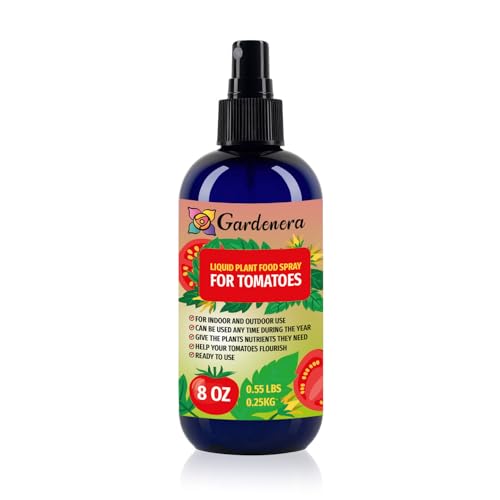
Gardenera’s Organic Superfood Spray Mist blends natural nutrients into a ready-to-use mist. It claims to supply 18 essential nutrients through a mix that includes organic amendments like mycorrhizae and kelp meal, designed to support robust roots, stems, leaves, and blooms. The product emphasizes a fully digested elemental nutrient supplementation system, which some gardeners favor for predictable uptake and plant health.
Key features include a nutrient-rich formula aimed at overall plant health, with a focus on robust growth from root to fruit. This product targets tomato plants in home gardens, offering a convenient spray method that can be applied to leaves and foliage to support healthy development. It may be particularly appealing for growers seeking a broad-spectrum, organic option with multiple nutrient sources.
Espoma Organic Tomato Plant Food

Espoma’s Tomato Plant Food is an organic liquid fertilizer designed for tomatoes and other vegetables. It provides essential nutrients to support tomato and vegetable growth and is marketed as safe around kids and pets. The product requires diluting the concentrate in water, with a recommended application schedule of every 2–4 weeks for best results. It is positioned as a simple, user-friendly option for organic gardening.
Gardeners may value its straightforward mixing instructions and the explicit focus on tomatoes and vegetables. The concentrate form helps reduce waste and allows for scalable dosing, which can be advantageous for larger containers or garden plots. The product emphasizes organic credentials and broad applicability for various edible crops beyond tomatoes.
Bonide Captain Jack’s Tomato & Vegetable Spray

Captain Jack’s Tomato & Vegetable Spray is labeled for insect and disease control with organic suitability. It targets a wide range of pests, including aphids, spider mites, caterpillars, and more, while also addressing fungal diseases such as blackspot, powdery mildew, and leaf spot. The product is designed for use on listed edibles and ornamentals, making it a versatile choice for mixed plantings.
From a practical standpoint, this spray offers broad-spectrum protection, combining pest control with disease management. Gardeners who want a single, multipurpose spray that can be applied to tomatoes and other garden crops may find this option convenient, particularly for early-season protection against common tomato pests and fungal issues.
BioAdvanced Organic Tomato, Vegetable & Fruit Ready-to-Use
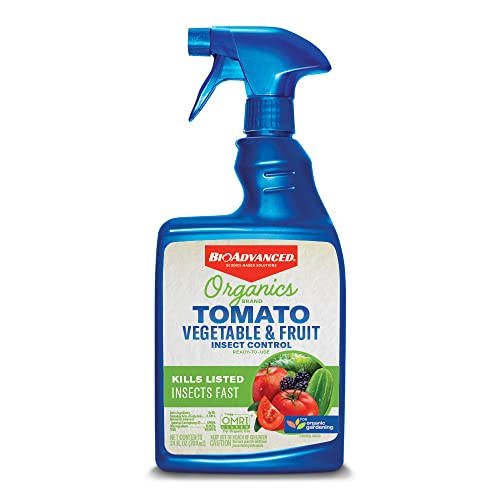
BioAdvanced offers an organic ready-to-use spray designed to protect edible crops, including tomatoes, against listed insects. It emphasizes on-contact pest kill and includes curative components for powdery mildew and other fungal issues. The product is positioned for use on edibles such as vegetables and fruits, and it is suitable for outdoor garden use on containers and in-ground plantings.
For gardeners who want a consumer-friendly solution that can rapidly reduce pest pressure on tomato foliage, this product provides an easy spray-on approach. While marketed as organic, users should follow label directions carefully to ensure effective coverage and compliance with any local gardening guidelines.
Buying Guide: Key Considerations For Organic Tomato Sprays
- Target pests and diseases: Identify common threats in your region (aphids, whiteflies, powdery mildew, blight) and choose a spray with proven efficacy against those issues. Some products focus more on pests, others on diseases, so align with your primary concerns.
- Organic certification and ingredients: Look for sprays labeled as organic or derived from natural ingredients. Review the ingredients to ensure they align with your gardening philosophy and any local restrictions.
- Application methods: Consider whether a ready-to-use spray or a concentrate that must be diluted suits your routine. Ready-to-use formulas are convenient, while concentrates offer flexibility and reduced packaging waste.
- Plant safety and crop coverage: Ensure the product is safe for edible crops and follow label instructions for application intervals, weather conditions, and coverage. Over-application can cause leaf burn or root stress in some products.
- Reuse and compatibility: Some sprays mix well with other organic inputs (like compost teas or beneficial microbes), while others may interact negatively. Check compatibility if you use a broader organic care plan.
- Environmental impact: Choose products that minimize non-target effects on pollinators and beneficial insects. Morning applications and avoiding flowering stages can help protect pollinators.
- Local guidelines: Regulations or recommendations for organic gardening can vary by region. When in doubt, consult local extension services or gardening clubs for best practices.
- Cost and coverage: Compare the cost per application, considering bottle size and recommended usage. A higher upfront price may be offset by longer coverage, especially in larger plots.
In summary, the right organic spray for tomato plants depends on your pest and disease pressures, your preference for ready-to-use versus concentrate formulas, and how you balance safety with effective coverage. The options highlighted here provide a range of approaches—from broad-spectrum pest control to nutrient-rich foliar sprays—so American gardeners can select a product that fits their garden size, tomato varieties, and management style.