Planting organic pumpkin seeds can yield pumpkins that are flavorful, nutrient-rich, and proudly non-GMO. This guide highlights five top options ideal for American gardens, focusing on heirloom varieties, robust germination, and ease of growing. Each selection comes with practical growing tips to help you maximize yield, color, and size. Whether you want decorative pumpkins for autumn displays or culinary varieties for pies and preserves, these seeds are suited for outdoor beds, trellises, and container-friendly plots.
| Product | Brand | Key Benefit | Notable Variety |
|---|---|---|---|
| HOME GROWN 5 Pumpkin Mix | HOME GROWN | Non-GMO, open-pollinated, diverse colors | Yellow Paris, Casper |
| KVITER 25 Big Max | KVITER | Up to 100 lb giants, bold color | Big Max |
| Organic Pumpkin Seeds Variety Pack | SWEET YARDS | Six diverse, organic, non-GMO packets | New England Pie, Cinderella, Casper, etc. |
| KVITER 15 Seminole | KVITER | Heirloom, compact vines, fast vining | Seminole |
| Seed Needs Blue Jarrahdale | Seed Needs | Untreated, blue-gray heirloom selection | Blue Jarrahdale |
The following sections provide detailed, objective insights into each choice, including growth expectations, space requirements, germination notes, and overall suitability for common American garden setups. The goal is to help you compare options across size potential, flavor profiles, and maintenance needs so you can select seeds that align with your climate, space, and culinary goals.
HOME GROWN 5 Pumpkin Mix

Product overview: This mix contains five premium decorative and culinary pumpkin varieties, grown from open-pollinated, non-GMO seeds. The mix emphasizes heirloom traits, natural nutrition, and a diverse color spectrum, with 40 seeds per pack. The seed mixture is described as hardy and resilient, suitable for a range of weather conditions including heat and drought. Known for carotene-rich flesh and a variety of shapes and sizes, these seeds are ideal for gardeners seeking both visual impact and culinary versatility. Uses include pies, baking, and seasonal décor.
Growing considerations: Direct sow after the last frost in well-amended soil with full sun. Space plants according to their mature size and provide consistent moisture. Expect a harvest window in late summer to fall depending on your climate. The mix supports putative companion planting and has potential for use in the traditional “three sisters” planting approach when combined with corn and beans.
KVITER 25 Big Max

Product overview: A pack designed for giant pumpkins, with an emphasis on heirloom quality. Seeds are described to produce fruits that can reach up to 100 pounds, featuring dense flesh ideal for pies and baked goods. The variety is well-suited for long garden displays and fall decorations, making it a popular choice for gardeners who want a dramatic harvest. This option is particularly appealing to enthusiasts who enjoy large ornamentals and bold color in autumn displays.
Growing considerations: Direct sow after the risk of frost in fertile, sun-drenched soil. Plant in 4–6 seed clusters per mound, spacing mounds several feet apart to accommodate sprawling vines. Regular watering and full sun are essential. Seedlings typically emerge in 7–14 days, with thinning to the strongest plants per hill to optimize fruit size and health.
Organic Pumpkin Seeds Variety Pack

Product overview: This collection features six packets of diverse pumpkin varieties, focusing on non-GMO and certified organic seeds. Included are popular options such as New England Pie, Cinderella, Jack O’ Lantern, Casper, Big Max, and Jarrahdale. The emphasis is on freshness (2026 season) and reliable germination, facilitating a broad harvest suitable for baking, carving, and decorative uses. The assortment helps gardeners experiment with multiple flavors and appearances in a single purchase.
Growing considerations: Start seeds indoors or direct-sow after the last frost in nutrient-rich soil. Space plants to accommodate their growth habit, and provide consistent watering. Expect a range of harvest times depending on variety, with some pumpkins suited for fall decorations and others for culinary use. Organic seeds typically respond well to well-draining beds and mulched paths to suppress weeds.
KVITER 15 Seminole
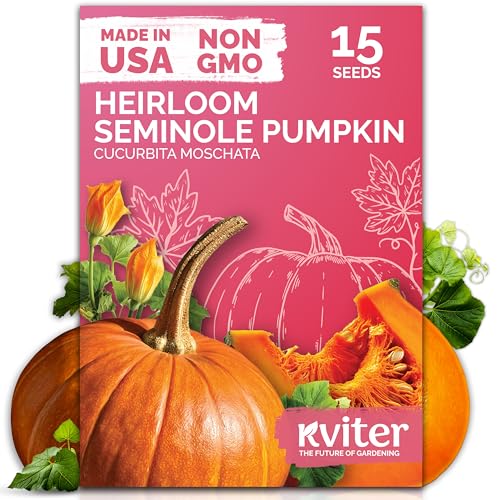
Product overview: Seminole is an heirloom pumpkin known for decorative potential and compact vine growth. Seeds promise high germination rates and are described as well-suited for both indoor and outdoor planting. The variety is ideal for gardeners seeking a smaller footprint with pumpkins that still provide a strong aesthetic and usable fruit. These seeds align with organic and non-GMO preferences, appealing to gardeners who value heritage cultivars.
Growing considerations: After frost, sow seeds in rows or mounded beds with full sun exposure. Space plants to accommodate vines that can spread several feet; ensure soil is fertile and well-drained. Typical fruit development occurs within a few months, and plants benefit from consistent watering and mulching to maintain soil moisture. This option is practical for smaller spaces and seasonal displays.
Seed Needs Blue Jarrahdale

Product overview: Blue Jarrahdale pumpkins are a blue-green heirloom variety known for their large, ribbed fruits and notable storage life. Seed Needs positions this as an open-pollinated, non-GMO option suitable for outdoor growing. The variety is celebrated for attractive winter squash and a stable harvest that can extend into late autumn. It’s a robust choice for gardeners who want ornamental pumpkins with culinary potential.
Growing considerations: Vines require ample space, with at least 15 feet of horizontal room and a couple of feet of vertical clearance. Plant in fertile, well-drained soil in full sun. Expect harvest around 100 days after seedlings appear. Straw under developing fruits helps prevent rot and extend shelf life. Overall, it’s a good match for long-season climates and garden beds with good air circulation.
Buying Guide: How to Choose Organic Pumpkin Seeds
- Seed type and goals: Decide whether you want culinary pumpkins for pies and preserves, or decorative varieties for displays. Heirloom and open-pollinated seeds offer genetic diversity and a more robust flavor profile, while modern hybrids may be optimized for yield.
- Germination and vigor: Look for seed packets that emphasize germination rates and freshness. Organic and non-GMO seeds often have strong germination when stored properly and planted in prepared soil.
- Space and growth habit: Consider vine length and fruit size. Giant pumpkins require more space; smaller or compact varieties are better for limited gardens or container setups.
- Climate compatibility: Match varieties to your USDA hardiness zone, frost dates, and typical rainfall. Some pumpkins tolerate heat and dry spells, while others prefer even moisture.
- Storage and shelf life: If you plan to store pumpkins, choose varieties with good keeping qualities and thicker flesh. For decorative use, look for robust rind texture and visually appealing color.
- Organic certification and sourcing: Verify that seeds are certified organic and non-GMO when that is important to you. Reputable brands often provide germination guidance and planting instructions on the packet.
- Planting method: Most pumpkins are direct-sown after frost, though some gardeners start indoors for a head start. Follow spacing guidelines on the seed packet and use mulching to control weeds and moisture.
- Maintenance: Plan for watering consistency, sun exposure, and fertilization strategies that suit pumpkin growth without over-fertilizing, which can lead to lush foliage but smaller fruit.
- Companion planting: Pumpkins pair well with corn and beans in traditional gardens, acting as a living mulch while attracting beneficial insects and improving soil moisture retention.