Choosing the right organic potting soil is essential for flourishing vegetable containers. This guide highlights five top-rated options that balance nutrients, moisture, and sustainability. Each product is crafted to support healthy root development, strong yields, and ease of use for American gardeners. The selections cover peat-free blends, quick-release fertilizers, and compressed soils that expand with water. Use this overview to compare textures, nutrient sources, and suitability for herbs, vegetables, and container gardens.
| Product | Brand | Key Benefit |
|---|---|---|
| Back to The Roots 100% Organic Potting Mix (12 qt) | Back to the Roots Store | Peat-free, USA-made blend with moisture control |
| Miracle-Gro Organic Outdoor Potting Mix (16 qt) | Miracle-Gro Store | Organic mix with quick-release plant fertilizer |
| Burpee Premium Organic Potting Mix (9 qt) | Burpee | Natural soil mix ideal for containers |
| Compressed Organic Potting Soil (expands up to 4x) | Organic Plant Magic Store | Space-saving, nutrient-dense compressed mix |
| Espoma Organic Potting Soil Mix (4 qt) | Espoma Store | All-natural mix with mycorrhizae for thriving roots |
Back to The Roots 100% Organic Potting Mix
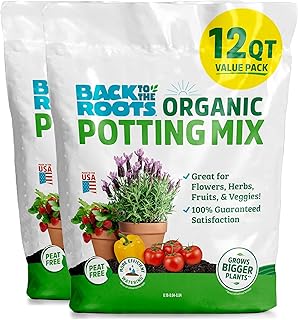
Back to The Roots offers a peat-free, 100% organic potting mix designed for multiple uses, including vegetables, herbs, and flowers. The blend relies on upcycled plant matter and wood fines sourced across the United States, reducing environmental impact while delivering a versatile soil base. Its moisture-control properties are aided by yucca extract, and pH balance is supported by dolomitic limestone. This option emphasizes American-made quality and a lighter carbon footprint, making it a strong choice for container vegetable gardens.
Miracle-Gro Organic Outdoor Potting Mix

Miracle-Gro Organic Outdoor Potting Mix provides a quick-release natural fertilizer to feed plants for up to two months. It uses responsibly sourced peat to enrich the soil and is suitable for all outdoor container plants, including vegetables, herbs, annuals, and perennials. The blend aims to support robust growth in containers, offering a convenient option for gardeners seeking immediate nutrient availability with ongoing protection for root systems.
Burpee Premium Organic Potting Mix

Burpee’s premium organic potting mix combines natural soil components with plant-friendly nutrients suitable for container gardens. It’s designed for vegetables, flowers, and herbs, helping gardeners establish healthy root systems and vibrant growth. The product’s versatility makes it a practical choice for both indoor and outdoor container setups, especially for hobbyists seeking a balanced, all-purpose soil base without synthetic additives.
Compressed Organic Potting Soil (Expands Up to 4x)

This compressed soil product comes in a compact bag that expands up to four times its size when mixed with water. It is made from coconut coir and worm castings, delivering a light, airy texture with essential nutrients and 55+ trace minerals. The living soil stays moist longer, enabling efficient water use and strong root development. It is well-suited for seeds, starts, transplants, and both containers and raised beds.
Espoma Organic Potting Soil Mix

Espoma Organic Potting Soil Mix combines sphagnum peat moss, humus, perlite, earthworm castings, alfalfa meal, kelp meal, and feather meal for a rich, natural blend. It includes MYCO-TONE, a proprietary mix of endo and ecto mycorrhizae to support root development and nutrient uptake. The formula is designed for use in indoor and outdoor containers, making it a versatile option for vegetables, herbs, and flowers alike.
Buying Guide: Key Purchase Considerations
- Container compatibility: Choose soil that matches your container size and watering needs. Some blends are specifically suited for small pots, while others work well in larger planters or raised beds.
- Nutrient source and release: Organic blends with slow-release or extended fertility help reduce feeding frequency, while quick-release options provide faster growth for short-term projects.
- Moisture management: Materials like yucca extract or coconut coir support moisture retention. Consider climate, pot material, and plant moisture needs when selecting soil.
- pH balance: Soils with dolomitic limestone or other pH-balancing components help stabilize acidity, which is important for many vegetables.
- Sustainability and sourcing: Peat-free or upcycled ingredients lower environmental impact. USA-made products reduce transport emissions and support local economies.
- Mycorrhizal benefits: Some mixes include mycorrhizae for enhanced root expansion and nutrient uptake, beneficial for vegetable transplants.
- Packet size and storage: Consider bag size, weight, and whether compressed options save space. Ensure resealability for long-term use.
- Use case diversity: If you plan to grow herbs, vegetables, and flowers, a versatile all-purpose mix may reduce the number of soil purchases.
For best results, tailor soil choice to your specific vegetables, climate, and container setup. Regularly monitor moisture, ensure proper drainage, and supplement with compost or organic amendments as needed to sustain soil health over a growing season.