Yes, you can start a thriving organic garden at home with the right seeds. This guide highlights five top organic seed kits and herb/vegetable seed packs that are well-suited for beginners and seasoned gardeners alike. Each option emphasizes non-GMO, organic quality and practical planting outcomes for indoor and outdoor spaces. Read on to find which kit best fits your space, climate, and cooking needs.
Overview of top picks:
– Back to the Roots Heirloom Organic Seed Bundle (30 seeds, wide variety, year-round growing)
– Sereniseed Certified Organic Herb Seeds (10-pack, culinary herbs)
– Gardeners Basics Survival Vegetable Seeds Kit (35 varieties, large seed count)
– Sereniseed Certified Organic Vegetable Seeds (10-pack, open-pollinated)
– Sereniseed Certified Organic Vegetable Seeds (30-pack, open-pollinated)
Buying Guide at a glance:
| Product | Best For | Seed Type | Quantity |
|---|---|---|---|
| Back to the Roots Seed Bundle | Beginner-friendly, year-round growing | Herbs, Veggies | 30 packs |
| Sereniseed Herb Seeds (10-Pack) | Kitchen herb garden | Culinary herbs | 10 packs |
| Gardeners Basics Survival Kit | Emergency prep, large garden | Vegetables | 35 varieties |
| Sereniseed Vegetable Seeds (10-Pack) | Open-pollinated vegetables | Veggies | 10 varieties |
| Sereniseed Vegetable Seeds (30-Pack) | Expanded veggie garden | Open-pollinated | 30 varieties |
Back to the Roots Heirloom Organic Seed Bundle

The Back to the Roots bundle is a 30-pack assortment of heirloom, organic, and non-GMO seeds designed for indoor or outdoor growing. The kit emphasizes quick germination and year-round cultivation, making it a practical choice for new gardeners who want fast, visible results. It offers a wide variety of herbs, vegetables, and leafy greens to keep your kitchen stocked with fresh produce. Best for beginners who want a simple start and a diverse harvest across seasons.
Why selected: This bundle targets new gardeners seeking reliability and variety without complicated care. Its organic, non-GMO seed stock helps maintain soil and plant health while enabling flexible planting timelines. A potential limitation is that actual seed varieties may vary from the image, so expect some substitution in the final mix.
Caution: Actual seed types can vary; design your garden plan with flexible expectations for variety.
Sereniseed Certified Organic Herb Seeds (10-Pack)

This 10-pack from Sereniseed offers USDA Organic-certified herb seeds that are non-GMO and open-pollinated. The kit features common culinary herbs such as basil, cilantro, oregano, thyme, parsley, lavender, chives, sage, dill, and Thai basil. Best for cooks who want a ready-to-use herb garden and for gardeners who prefer standardized herbal flavors in open-pollinated varieties.
Why selected: Open-pollinated, organic herbs support sustainable growing and re-seeding for future seasons. A potential limitation is that the package includes a mix of widely varied herbs, which may require different germination and spacing needs. Plan to stagger planting for a continuous herb harvest.
Caution: Some herbs may have different germination times; consider separate trays to manage spacing and growth.
Gardeners Basics Survival Vegetable Seeds Kit
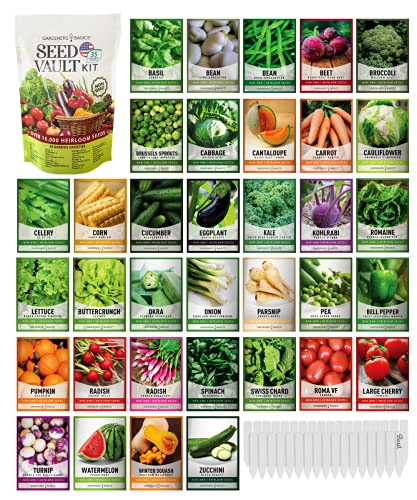
The Gardeners Basics kit provides 35 vegetable varieties with over 16,000 non-GMO seeds. The seed packets come in packets (not plastic bags) with included growing and harvesting instructions. The kit focuses on practical, everyday vegetables such as lettuce, beets, carrots, onions, squash, tomatoes, peppers, broccoli, peas, and beans. Best for families building a resilient home garden or anyone prioritizing a wide vegetable assortment.
Why selected: This kit balances quantity with variety, offering a robust seed pool for a large garden or extended growing season. A limitation is the large seed count—plan adequate planting space and proper seed-starting methods to prevent crowding.
Caution: Indoor or hydroponic setups may require customized germination strategies and space planning to maximize germination success.
Sereniseed Certified Organic Vegetable Seeds (10-Pack)

This 10-pack from Sereniseed focuses on organic, open-pollinated vegetables. The listed varieties are designed for reliable germination and sustainable harvesting in future seasons. Best for gardeners who value heirloom traits and the ability to save seeds for next year.
Why selected: Open-pollinated, 100% non-GMO, and USDA Organic-certified—designed for long-term planting plans. A limitation is that this set covers only 10 varieties, so you may want to pair it with additional packs if you want a broader vegetable spectrum.
Caution: Ensure your garden layout accommodates a mix of crops that have similar growing needs to simplify care and spacing.
Sereniseed Certified Organic Vegetable Seeds (30-Pack)

This 30-pack from Sereniseed expands the vegetable assortment with 30 open-pollinated, non-GMO varieties. It’s positioned for serious home gardeners seeking a multi-season vegetable garden. Best for those who want a broad crop choice and long-term seed sustainability. A note: open-pollinated varieties may require more careful space planning than hybrid varieties.
Why selected: A comprehensive set that supports a varied harvest and seed-saving potential. A limitation is the need for more careful crop management to avoid cross-pollination in closely spaced plots.
Buying Guide: Key Considerations For Organic Seed Purchases
What does Organic Seed Quality include?
Quality signifies certification, non-GMO status, and open-pollination when applicable. USDA Organic certification (or Oregon Tilth in some cases) indicates adherence to organic growing standards. Non-GMO ensures seeds have not been genetically modified. Open-pollinated varieties allow seed saving for subsequent seasons, unlike most hybrids.
How to Choose Based on Your Space
Small spaces benefit from compact or balcony-friendly herbs and tomatoes. Indoor growing requires seed-starting space, grow lights or sunny windows. Outdoor gardens need soil preparation, sun exposure, and a plan for crop rotation. The kits above cover both indoor and outdoor planting scenarios, with some emphasizing year-round cultivation.
Why Seed Count And Packaging Matter
Higher seed counts provide more plants per variety, which is useful for larger gardens or family use. Professional packaging reduces mold risk, an important factor for long-term storage. For beginners, starter-friendly kits with clear planting instructions help improve germination success.
Open-Pollinated Vs. Non-Open Pollinated
Open-pollinated seeds reproduce true-to-type if saved properly, offering long-term reuse. Non-GMO products ensure seeds are not genetically engineered. Hybrid varieties may offer vigor but do not guarantee seed-to-seed consistency in future seasons, which makes open-pollinated a preferred choice for seed savers.
Practical Planting Tips
- Follow seed packet instructions for depth, spacing, and germination temperature.
- Seed-start indoors when frost risk remains; transplant after the danger passes.
- Label seedlings and practice crop rotation to maintain soil health.
- Store seeds in a cool, dry place to preserve viability for future years.
Best Practices For Beginners
Start with a few easy varieties to learn germination timing and care. Use seed-start kits that include quick germination seeds. Maintain consistent watering and provide adequate light. Gradually expand to a larger garden as confidence grows.
FAQ
- Are organic seeds really organic? Yes, certified organic seeds meet standards for organic agriculture, typically including non-GMO status and organic seed production practices.
- Can I save seeds from these packs for next year? Some varieties are open-pollinated and suitable for seed saving. Hybrids may not reproduce true to type, so check each variety’s type.
- Is it okay to grow different herbs and vegetables together? Yes, many herbs and vegetables can be grown together, but group by similar water and light needs to simplify care.
- Do these packs include growing instructions? Most kits include basic planting instructions; advanced gardeners should supplement with species-specific guides.
- What is best for a beginner indoor garden? A herb-focused or small-quantity vegetable kit with clear germination steps is ideal for indoor spaces with limited light.
- Do these seeds require special soil? Use quality, well-draining potting mix for containers; outdoor beds benefit from amended soil with compost.