Organic pest control for vegetables is about choosing effective, plant-safe solutions that protect edibles without synthetic chemicals. This guide compares five ready-to-use products, showing who each option is best for, why it’s a solid choice, and any practical limitations. Whether you’re growing tomatoes, peppers, leafy greens, or herbs, these tools help manage pests while supporting a healthy, organic garden. The top picks favor readers seeking simple application, broad pest coverage, and compatibility with home gardening practices. The buyer’s table below highlights key distinctions to help you decide quickly.
| Product | Best For | Why It’s Recommended | Limitations |
|---|---|---|---|
| BioAdvanced Organics Bug Spray | Edible crops and container plants | Fast contact kill on common pests; curative for powdery mildew | May require reapplication after rain |
| Bonide Captain Jack’s Neem Oil | Integrated pest management, multiple pests | Three-in-one fungicide, miticide, insecticide; ready to use | Neem aroma can be strong |
| Trifecta Crop Control | Organic gardens with diverse pests | All-natural, plant-based formula; safe for edibles | Concentrated product requires measuring |
| Earth’s Ally 3-in-1 Plant Spray | Indoor and outdoor organic setups | Botanical oils; repels and kills soft-bodied insects | May need frequent reapplication in hot, sunny conditions |
| Bonide Captain Jack’s Deadbug Brew | Outdoor vegetable patches | Targeted for worms and caterpillars; broad foliage coverage | Effectiveness varies by pest type |
BioAdvanced Organics Tomato, Vegetable & Fruit Plant Bug Spray
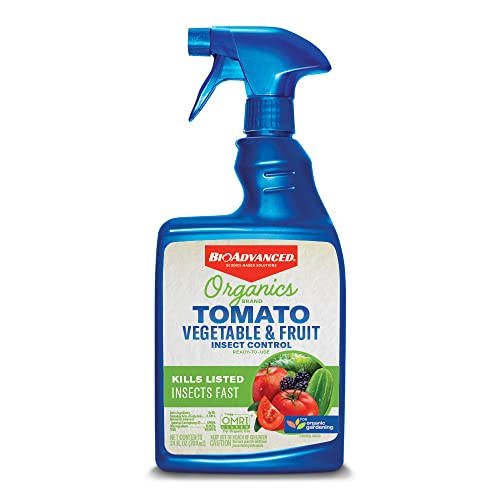
This product is formulated for fast contact control of listed insects that threaten edible crops. It targets pests such as aphids, caterpillars, mealybugs, and spider mites, with a stated curative action against powdery mildew. It is designed for use on vegetables, fruits, nut trees, and other outdoor edibles. Best for growers who want quick knockdown on a range of pests without complicated timing. A potential limitation is the need for reapplication after rain or heavy irrigation to maintain protection on leaves.
Who it’s best for: Home gardeners growing tomatoes, peppers, leafy greens, and other edibles who prefer a ready-to-use spray with broad pest coverage. It’s also suitable for container gardening where quick protection is valuable. This is a solid option for beginners who want straightforward application and visible pest control outcomes.
Why selected: It provides rapid contact kill on common pests that attack vegetables and fruits. The inclusion of a curative angle against powdery mildew adds value for mixed ornamental-vegetable spaces. Its use on a range of edible crops makes it versatile for small homestead plots.
One caution: Reapplication may be necessary after rain or irrigation, and growers should follow label directions to minimize impact on beneficial insects during peak pollination periods.
Bonide Captain Jack’s Neem Oil, 32 oz Ready-to-Use
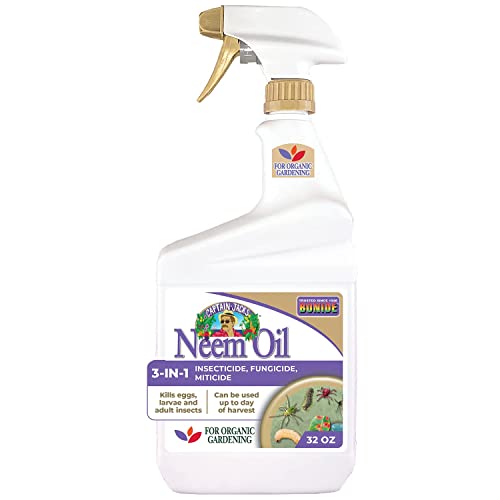
This neem oil product blends fungicidal, miticidal, and insecticidal actions in one ready-to-use spray. It targets mites, flies, mildew, and related issues, making it a multipurpose option for organic gardening. The spray nozzle and convenient delivery support easy coverage across plant surfaces, including fruiting crops and ornamentals. A practical note is that neem oil can carry a distinct odor and may require reapplication if rain washes it off or after extended sun exposure.
Who it’s best for: Gardeners pursuing integrated pest management who want a single product that handles multiple pest categories without mixing concentrates. It’s useful for those who prefer a constant defense against a variety of insects and fungal threats while maintaining organic practice.
Why selected: Its three-in-one approach helps manage pests and disease simultaneously, reducing the number of separate treatments needed in a busy garden schedule. The ready-to-use format simplifies application for beginners and busy growers alike.
One caution: The scent and potential phytotoxicity in certain plants can be a factor—test on a small area first and avoid applying during peak heat if possible.
Trifecta Crop Control Ready to Use
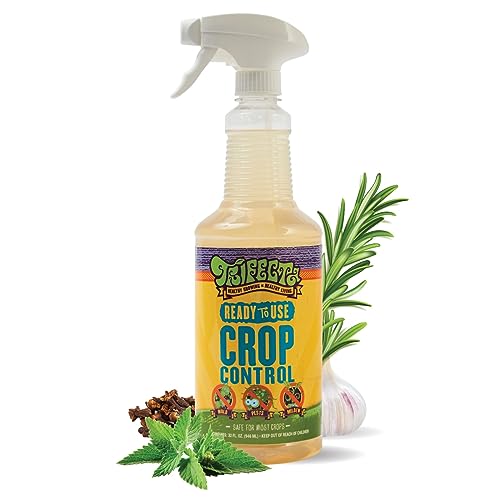
Trifecta Crop Control is a plant-based, all-natural formula designed for both edible and ornamental crops. It fights spider mites, aphids, whiteflies, fungus gnats, and other soft-bodied insects. The product emphasizes safety for edible crops and minimal environmental impact, making it appealing for organic gardens. The formula’s essential oil composition supports a broad-spectrum effect with lower risk of residues. A limitation is that it may require regular applications to sustain protection and can be less effective after heavy rainfall without timely reapplication.
Who it’s best for: Gardeners who want an eco-friendly solution that can be used indoors or outdoors and who value a product that preserves beneficial insects while targeting pests. It’s suitable for vegetable patches and mixed plantings where residue concerns matter.
Why selected: It combines pest control with disease management in a single spray, enabling straightforward maintenance for organic growers. Its emphasis on fast drying and no visible residues supports practical use in homes and small farms alike.
One caution: The all-natural formula may require more frequent applications in hot or windy conditions to maintain effectiveness.
Earth’s Ally 3-in-1 Insecticide, Fungicide, Miticide

Earth’s Ally offers a 3-in-1 plant spray that combines insecticidal, miticidal, and fungicidal action using a synergistic blend of essential oils. It is positioned as an organic option suitable for indoor and outdoor use. The product claims to kill and repel soft-bodied insects such as spider mites, aphids, and whiteflies, while also addressing common diseases. Its versatile application supports homes with mixed plant setups, gardens, and greenhouse starts. A notable limitation is that speed of action can vary by pest type, and frequent reapplication may be necessary during peak pest pressure.
Who it’s best for: Those seeking a botanical, OMRI-listed style solution that can be used on various crops, including vegetables, fruit trees, and ornamentals, without heavy chemical inputs.
Why selected: The 3-in-1 approach aligns with sustainable gardening goals and helps reduce the number of separate sprays. The product’s emphasis on repellent properties adds a preventative dimension that supports ongoing health of plants.
One caution: Effectiveness can vary with pest pressure and environmental conditions; test on a small plant before broad application.
ARBER Organic Insecticide & Fungicide

ARBER’s concentrate combines a bio-based formulation with fungicidal properties to tackle powdery mildew, spider mites, aphids, whiteflies, and more. It’s designed for indoor and outdoor use on vegetables, lawns, and ornamentals, with guidelines for seedlings, raised beds, containers, and greenhouse starts. The concentrate format offers cost-per-use benefits, but it requires accurate dilution and thorough coverage for best results. The product emphasizes protection across leaf surfaces and soil zones, making it a flexible option for varied garden layouts.
Who it’s best for: Gardeners who want a versatile concentrate that can be diluted for different spray needs and applied in diverse settings, including raised beds and containers.
Why selected: The combination of leaf protection and soil-zone action supports a broader pest and disease management strategy, particularly for vegetable gardens facing powdery mildew and aphids.
One caution: Concentrates require careful mixing for correct efficacy; follow label instructions to avoid under- or over-dilution.
Bonide Captain Jack’s Bacillus Thuringiensis BT Thuricide
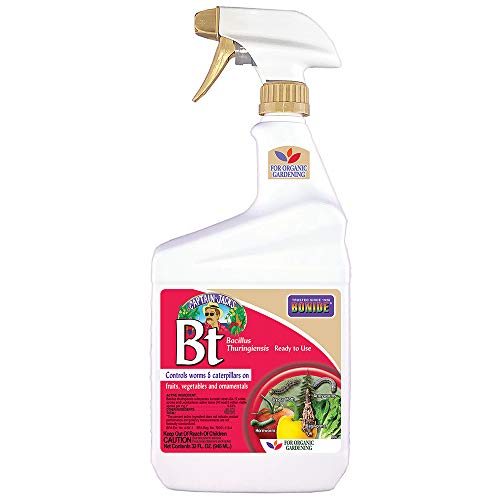
This Bacillus thuringiensis product targets caterpillars and worm pests with ingestion-based control. It protects a variety of crops including broccoli, cabbage, tomatoes, peppers, and melons by stopping feeding after ingestion. It is compatible with organic gardening and is designed to minimize impact on beneficial insects when used as directed. The effectiveness depends on pest feeding behavior and timing, so early application upon detecting caterpillar activity is advisable.
Who it’s best for: Growers dealing with caterpillars and worm pests on vegetables such as cabbage, kale, tomatoes, and peppers, who prefer a biological control option compatible with organic methods.
Why selected: Bt Thuricide provides a targeted mechanism that reduces chewing pests without broad-spectrum toxicity, supporting beneficial organisms when used correctly.
One caution: It only kills caterpillars after ingestion, so coverage and timing are important for effectiveness.
Buying Guide: Key Considerations for Organic Pest Control
What should you prioritize when selecting an organic pest control for vegetables? Here are practical questions and answers to guide decision-making.
Which products are best for edible crops?
Look for products explicitly labeled for use on vegetables or edibles and those that specify low residue and safe handling around harvest times. Plant-based formulas and neem-based products are common examples that balance pest control with crop safety.
Do I need multi-purpose options or pest-specific products?
Multi-purpose products save space and simplify routines if you have multiple pest types. Pest-specific items work well when you have a known problem, enabling targeted control without unnecessary applications.
How important is safety for pollinators?
Choose products with low impact on bees and other pollinators when applied during flowering windows. Many plant-based formulations emphasize pollinator friendliness, but always apply early morning or late evening when possible and avoid bloom periods if guidance advises it.
What about resistance and reapplication?
Organic products often require more frequent applications, especially after rain, sun exposure, or heavy pest pressure. Consider a rotation plan that mixes modes of action to reduce resistance risk and extend effectiveness over the season.
How should I apply and store these products?
Follow label instructions for dilution, spray coverage, and harvest intervals. Store in a cool, dry place away from children and pets. Prepared mixes should be used promptly to preserve potency and safety.
FAQ
Are these treatments safe for home gardens with kids and pets?
Many are designed for safe use around families when applied as directed. Always read the label and follow the recommended drying times and wash intervals before contact with treated plants.
Can I use these products indoors on houseplants as well as in the garden?
Several options are suitable for indoor and outdoor use, but verify indoor compatibility on the label before applying inside living spaces.
Will these products harm beneficial insects?
Most labeled organic products aim to minimize harm to beneficial insects. However, broad-spectrum products can still impact some non-target species if misused.
How often should I reapply after rain?
Reapplication timing depends on the specific product and environmental conditions. Check the label guidance and reapply after rain or irrigation as needed to maintain coverage.
Is a spray good for large vegetable patches or just containers?
Most of these products are versatile for both containers and larger beds, but follow label-specified coverage and dilution rates for optimal results in larger areas.
Should I alternate products to prevent resistance?
Yes. Rotating products with different active modes helps prevent pest resistance and maintains long-term effectiveness in organic setups.