This guide highlights top organic pest control options to help American gardeners protect vegetables, fruits, and ornamentals without synthetic chemicals. From book-length resources to ready-to-use sprays and soil-safe grub controls, these selections cover prevention, treatment, and disease management. Each product prioritizes eco-friendly methods while delivering actionable results for home gardens, lawns, and containers.
| Product | Brand | Type | Key Benefit |
|---|---|---|---|
| The Organic Gardener’s Handbook Of Natural Pest And Disease Control | Rodale | Reference Book | Comprehensive natural pest and disease strategies |
| Bonide Insecticidal Soap | Bonide | Insect Control | Contact-kill soap for a wide range of pests |
| Earth’s Ally 3-in-1 Plant Spray | Earth’s Ally | Insecticide/Fungicide/Mmiticide | One spray covers insects, mites, and plant diseases |
| St. Gabriel Milky Spore | St. Gabriel Laboratories | Grub Control | Season-long grub control for lawns and gardens |
| Garden Safe Fungicide3 | Garden Safe | Fungicide/Insecticide/Miticide | Neem-derived multi-action protection |
Best Organic Pest Guide For Growers

The Organic Gardener’s Handbook of Natural Pest and Disease Control is a comprehensive reference for organic gardening. It covers the latest, safest organic solutions and integrates pest prevention with disease management. This book serves as a practical resource for homeowners seeking non-chemical strategies, from soil health to beneficial organisms, enabling long-term garden resilience.
Bonide Insecticidal Soap
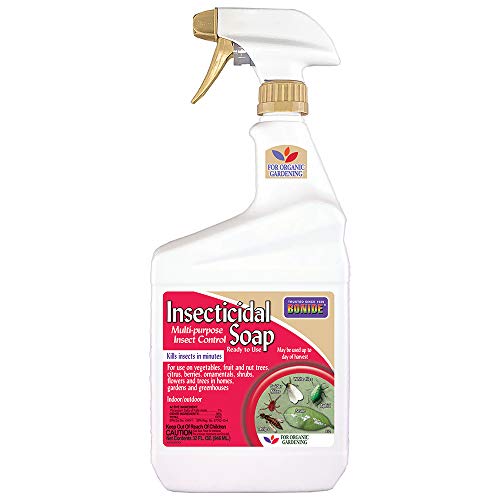
Bonide Insecticidal Soap provides direct contact control for a broad range of pests, including aphids, whiteflies, and scale. It is designed for outdoor residential use in gardens, lawns, ornamentals, and greenhouses. The product acts by disrupting the insects’ cellular membranes when sprayed directly on them, with effectiveness dependent on thorough coverage and re-application as needed for persistent infestations.
Earth’s Ally 3-in-1 Plant Spray

Earth’s Ally 3-in-1 Plant Spray is an insecticide, miticide, and fungicide, formulated with essential oils. It is marketed as a stronger alternative to neem oil, capable of killing and repelling soft-bodied insects such as spider mites and aphids while also addressing common plant diseases like powdery mildew and blight. Regular applications can help maintain plant vigor in indoor and outdoor settings.
Earth’s Ally 3-in-1 Plant Spray 24 oz
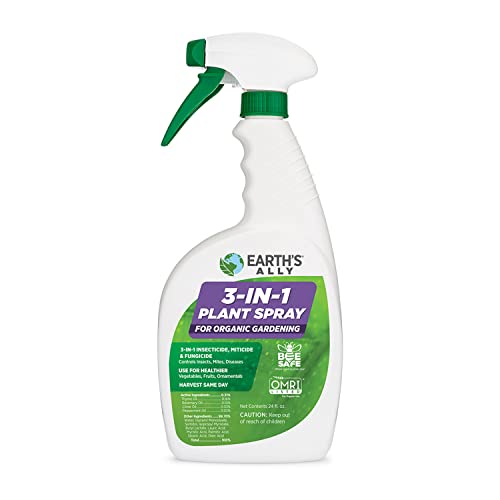
This Ready-to-Use variant provides the same 3-in-1 approach with convenient application for homes and gardens. It targets soft-bodied insects, mites, and fungal diseases while offering a practical solution for quick response to outbreaks in potted plants, garden beds, and greenhouses. Proper coverage and adherence to label directions optimize performance and safety.
St. Gabriel Milky Spore Granular

Milky Spore offers season-long grub control by targeting the Japanese beetle larval stage in lawns and garden soils. The product is USDA-certified organic and non-toxic, presenting a safe option for homes with children and pets. Application is straightforward: spread and water as directed, with results unfolding over the season and into subsequent years.
All Natural Peppermint Oil Spray

This peppermint oil-based spray provides a repellent effect for mice, spiders, ants, and other garden pests. It is a ready-to-use formulation designed for both indoor and outdoor use, with notes on safety and pet considerations. While not a cure-all, it serves as a deterrent in combination with other organic controls and cultural practices.
Garden Safe Fungicide3

Garden Safe Fungicide3 blends neem oil with other active ingredients to provide three-in-one protection: fungicidal, insecticidal, and miticidal actions. It targets black spot, rust, aphids, and spider mites while supporting organic gardening practices. Application timing and coverage across affected tissues are key for optimal results without stressing plants.
Buying Guide
Choosing effective organic pest control involves balancing efficacy, safety, and garden needs. Consider these perspectives:
- Target pests and diseases: Some products excel at insects, others at fungal infections. Read the label to match your issue (aphids, mites, powdery mildew, grubs, etc.).
- Mode of action: Contact sprays work best on exposed pests; systemic or soil-applied products may provide longer-lasting protection. Combine approaches for resilience.
- Plant safety and tolerance: Test products on a small plant before broad use. Some oils and soaps can cause phytotoxicity in sensitive species or under heat stress.
- Application timing: Early-season treatments can prevent outbreaks, while post-infestation sprays may be needed for rapid relief. Follow re-application intervals on labels.
- Environmental and consumer safety: Organic options reduce synthetic chemical exposure but still require proper handling, PPE, and storage as directed.
- Integrated Pest Management (IPM) integration: Use cultural practices (crop rotation, proper spacing, water management) in tandem with products to minimize pests long-term.
- Compatibility with beneficials: Some products may affect beneficial insects. Target applications to pest hotspots and avoid broad, routine spraying when predators are present.
- Indoor vs outdoor use: Some formulas are specifically designed for indoor plants or greenhouses; verify the intended environment to maximize safety and effectiveness.
- Cost and convenience: Compare concentrated formulas versus ready-to-use sprays. Milky Spore, for example, is a long-term soil treatment requiring a single application, while sprays offer quick results but require more frequent use.
In practice, a layered approach often yields the best results: start with preventative measures and plant health, supplement with a capable organic spray for active outbreaks, and consider soil treatments like milky spore for enduring grub control. Always align choices with your garden’s crops, climate, and personal safety preferences.