Grow a home pantry with organic peanuts from trusted seeds. The following selections offer heirloom, non-GMO, and wild varieties that perform well in warm climates and home gardens. Each option includes planting guidance, flavor potential, and practical growing notes to help you choose seeds that suit your plot and taste preferences.
| Product | Brand | Key Point |
|---|---|---|
| Spanish Peanut Seeds | Isla’s Garden Seeds | Compact, high-oil, great for roasting |
| TomorrowSeeds Jumbo Bailey Virginia Peanut Seeds | TomorrowSeeds | Large peanuts; versatile for snacks |
| Wild Jungle Peanut Seeds | Isla’s Garden Seeds | Ancient Amazonian variety with rich flavor |
| The Organic Cafe Jungle Peanuts | The Organic Cafe | Organic wild heirloom jungle peanuts |
| Wakefield Virginia Peanut Seeds | Wakefield Peanut Company | Popular brand, approximate 100 seeds |
| Natural Zing Raw Organic Wild Jungle Peanuts | NaturalZing | Raw, heirloom Ecuadorian variety |
Spanish Peanut Seeds – Arachis Hypogaea

Spanish Peanut Seeds provide a compact, heirloom variety celebrated for bold flavor and traditional appeal. These peanuts produce small, high-oil nuts ideal for roasting, snacking, and homemade peanut butter. Each pack includes 20 high-quality, heirloom seeds with detailed planting instructions to guide sowing through harvest. Known for thin skins, intense flavor, and high oil content, these peanuts suit kitchen use and garden testing. Planting: grow as a low, spreading plant in full sun with loose, well-draining soil. Sow 1–2 inches deep, 6–8 inches apart after the last frost when soil reaches at least 70°F. Best planted late spring to early summer.
TomorrowSeeds Jumbo Bailey Virginia Peanut Seeds

These Jumbo Bailey Virginia Peanut Seeds yield large, flavorful peanuts suitable for snacks and culinary use. They are packed as a 30+ count packet and are noted for their protein and healthy fats. The variety adapts well to a range of soil types and climates, offering gardeners a robust plant with good yield potential. Planting guidance aligns with warm-season practices: ensure adequate heat, provide well-drained soil, and monitor moisture as pods develop to maximize yield.
Wild Jungle Peanut Seeds – Arachis Hypogaea

Wild Jungle Peanut Seeds present a unique heirloom variety rooted in Amazonian cultivation, offering a rich, earthy, nutty flavor. Each pack includes 20 heirloom seeds to start a reliable crop. These plants are low-growing with loose soils and require full sun and moderate watering. The variety is prized by gourmet growers who seek distinctive pods and robust taste, making them a standout choice for home gardens focused on flavor diversity.
The Organic Cafe Jungle Peanuts

The Organic Cafe Jungle Peanuts offer an organic, wild heirloom variety with a rich, nutty flavor. Packaged as a non-GMO product, these jungle peanuts are nutrient-dense, providing protein, fiber, and healthy fats. Sustainably grown on small farms, this option supports biodiversity and local communities. Growth conditions favor warm climates with well-drained soil, and careful harvesting preserves flavor integrity for snacking or recipes.
Wakefield Virginia Peanut Seeds

Wakefield Virginia Peanut Seeds offer a traditional approach to home peanut growing. The package provides approximately 100 seeds for a robust planting start. Instructions emphasize planting depth (about 1.5 to 2 inches) and keeping seeds dry before sowing to reduce rot during germination. The Wakefield brand is associated with long-standing peanut cultivation tradition, focusing on reliable germination and steady yields in suitable climates.
Natural Zing Raw Organic Wild Jungle Peanuts
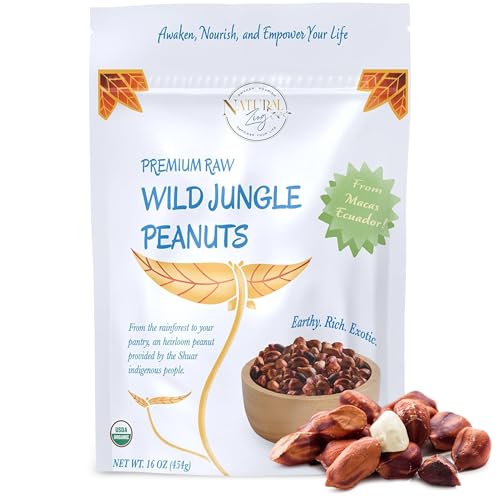
Natural Zing Raw Organic Wild Jungle Peanuts are a rare, non-hybridized Ecuadorian heirloom variety. They are harvested raw, with no shell, and offer a clean-label option for vegan protein snacks. The product emphasizes organic farming, lower mold risk, and a nutrient-dense profile—great for those seeking minimally processed peanuts with a heritage lineage. Growing considerations center on warm climates, organic soil management, and careful storage to preserve aroma and texture.
Buying Guide: Key Purchase Considerations
- Climate suitability: Most peanut varieties require warm soil (at least 70°F/21°C) and a long growing season. Rural and suburban gardens in warm zones tend to perform best, while containers and raised beds can help in cooler regions with extended sun exposure.
- Organic and non-GMO status: Look for certified organic or clearly labeled non-GMO seeds to align with organic gardening goals. Heirloom and wild varieties can offer unique flavors and genetics that resist certain pests naturally.
- Flavor and use: Consider whether you want large snack peanuts, small high-oil roasting peanuts, or rare heirloom flavors. Flavor profiles can range from bold and earthy to nutty and sweet.
- Growth habit and space: Peanuts grow as low, spreading plants. Ensure enough ground area or pot space with proper sun exposure and well-drained soil to prevent rot and disease.
- Soil and watering: Loose, well-drained soil is essential. Water consistently during pod development, then reduce watering prior to harvest to ease curing and improve flavor and storage.
- Germination and seed handling: Do not wash seeds before planting; moisture control is key to germination success. Pack size and seed count vary; plan for garden scale and expected yield.
- Harvest and storage: Peanuts require proper curing after harvest. Bury pods or place in a dry, ventilated area to cure before long-term storage to maintain flavor and texture.
- Sustainability: Organic and heritage varieties often support biodiversity and local farming communities. Consider seeds from brands with transparent growing practices and responsible sourcing.