Answer: Organic options that control aphids include plant-based oils, insecticidal soaps, and microbial or mineral-based products. This guide highlights five effective choices for home gardens and houseplants. The best fit depends on your plants, infestation level, and whether you prefer OMRI-listed formulations. This overview helps you choose products that target aphids while minimizing impact on beneficial insects and the environment.
| Product | Best For | Key Benefit |
|---|---|---|
| Bonide Captain Jack’s Neem Oil | Broad-spectrum aphids on ornamentals and edibles | Kills eggs, larvae, and adults; ready-to-use |
| ARBER Organic Insecticide Liquid Concentrate | Houseplants and garden beds with mixed pests | Organic biologicals with flexible dilution |
| Garden Safe Fungicide3 | Integrated fungus and pest control for organic gardens | Neem oil-based multi-use product |
| Earth’s Ally 3-in-1 Plant Spray | Indoors and outdoors, pests plus diseases | Botanical oils; safe for pollinators |
| Safer 5118-6 Insect Killing Soap | Soft-bodied pests on flowers, herbs, vegetables | Soap-based, OMRI-listed |
Bonide Captain Jack’s Neem Oil, 32 oz Ready-to-Use Spray
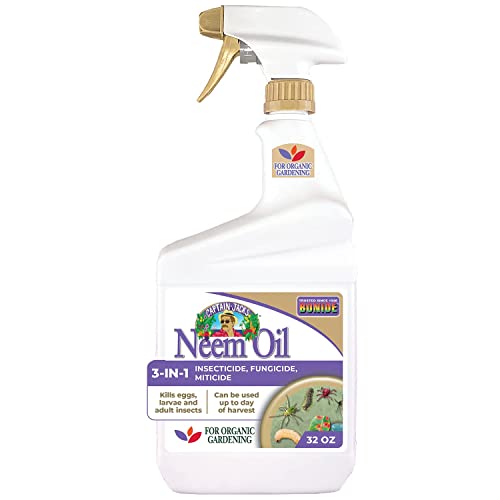
Best for: Home gardens with a mix of aphids, mites, and fungal issues. This three-in-one product acts as a fungicide, miticide, and insecticide, making it a versatile option for organic growers. The ready-to-use spray is convenient for quick treatments and can be used up to harvest. It targets all insect life stages, which helps prevent reinfestation. Caution: Neem oil can cause leaf burn in hot sun or on sensitive varieties; test on a small area first and apply during cooler parts of the day.
Organic Insecticide Liquid Concentrate – ARBER

Best for: Indoor and outdoor plants needing fast action on aphids, whiteflies, and other common pests. This concentrate uses organic biology to disrupt pest life cycles and supports a balanced microbiome for healthier roots. It offers customizable dilution for seedlings, herbs, roses, and shrubs, making it flexible for various landscapes. Caution: Prolonged use may require rotation with other modes of action to prevent pest resistance and ensure plant safety.
Garden Safe Fungicide3

Best for: Organic gardeners seeking a neem-oil-based multi-use product for both pests and fungal diseases. It covers eggs, larvae, and adults, helping control aphids and spider mites while protecting plant tissues from fungal attacks. Caution: Neem oil formulations can slighty discolor or burn sensitive foliage in direct sun; always follow label directions and avoid midday applications.
Earth’s Ally 3-in-1 Plant Spray

Best for: Gardeners seeking a safe, natural spray against aphids, spider mites, and powdery mildew. The formula blends botanical oils to kill and repel pests while protecting leaves. It is suitable for indoor and outdoor use and is designed to be safe for pollinators when applied as directed. Limitation: It may require repeated applications during heavy infestations to maintain control.
Safer 5118-6 Insect Killing Soap
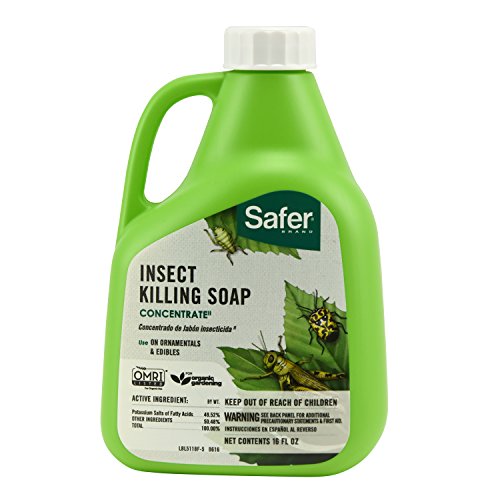
Best for: Plants requiring gentle, immediate action against soft-bodied pests such as aphids and whiteflies. This OMRI-listed insecticidal soap concentrate sprays effectively on contact and is a good first line of defense for delicate flowers and herbs. Caution: Avoid applying to stressed or drought-stressed plants and test on a small area first to prevent foliar burn in hot conditions.
Arber Organic Insecticide & Fungicide (16 oz)

Best for: Indoor/outdoor use on various plants needing powdery mildew and pest control. The concentrate coats leaves and soil to disrupt pest life cycles while suppressing powdery growths. It’s a practical option for mixed pest problems and garden beds. Caution: Ensure proper dilution to avoid leaf damage on sensitive plants and to maximize efficacy against aphids.
Buying Guide: Key Purchase Considerations
- Target pests: Do you have aphids alone or mixed pests (spider mites, whiteflies, mealybugs)? Choose products with proven activity against aphids and other pests you see.
- Active ingredient type: Oils, soaps, microbial or botanical formulations each have different safety profiles and timing. Neem oil and insecticidal soaps are common, with varying knockdown speeds.
- Plant safety: Test on a small leaf area before full application. Some oils or soaps can cause phytotoxicity under high heat or when applied to stressed plants.
- Environmental impact: OMRI-listed products indicate organic suitability. Consider pollinator safety and non-target effects when scheduling applications.
- Application method: Ready-to-use sprays are convenient, while concentrates offer customization but require mixing. Choose based on your maintenance routine and spray equipment.
- Frequency and timing: Many products require repeat applications during outbreaks. Plan treatments around weather and harvest timelines to avoid issues.
FAQ
- What is the most effective organic option for aphids? A repurposed mix of neem oil or insecticidal soap is commonly effective, especially when applied at the first sign of infestation.
- Are these products safe for pollinators? Many are, when applied early in the day or with respect to label directions. OMRI-listed items typically emphasize safety for organic gardens.
- Can I use these on edible plants? Yes, but check label directions for harvest intervals and ensure thorough rinsing if required before consuming produce.
- How often should I apply to control an outbreak? Reapplication every 5–7 days is typical for soaps, oils, and some concentrates until pests decline.
- Should I rotate products? Yes, rotating modes of action helps prevent pest resistance and maintains long-term effectiveness.
- What about indoor plants? Some products are specifically suitable for indoor use; always follow label directions for indoor applications and ventilation considerations.