Growing a thriving vegetable garden requires effective, safe, and organic pest control. The following selections emphasize natural ingredients, low environmental impact, and compliance with organic gardening standards. Each product is chosen for its relevance to vegetables, ease of use, and documented performance against common garden pests. Use this guide to compare options, understand application methods, and choose products that fit your gardening style and harvest schedule.
A quick summary table of the featured products helps you compare at a glance:
| Product | Brand | Key Benefit |
|---|---|---|
| Garden Safe 32 oz Insecticidal Soap | Garden Safe | Ready-to-use, broad-spectrum contact control for soft-bodied pests |
| BioAdvanced Vegetable & Garden Insect Spray | BioAdvanced | Concentrated, broad insect-kill with easy application |
| Bonide Insecticidal Soap 32 oz | Bonide | Contact and ingestion kill for a wide range of pests |
| The Organic Gardener’s Handbook | Rodale | Comprehensive organic pest and disease control guidance |
| Garden Safe Multi-Purpose Insect Killer 32 oz | Garden Safe | Kills 100+ pests, for edible crops up to harvest |
Garden Safe Insecticidal Soap, 32 Oz Ready-To-Use

Garden Safe Insecticidal Soap is a ready-to-use contact spray designed for organic gardening. It requires no mixing and targets soft-bodied pests by direct contact, making it suitable for use on vegetables, fruit trees, ornamentals, and more. The product is labeled for indoor, outdoor, and greenhouse applications, including edible crops up to the day of harvest. For best results, thoroughly spray all plant parts, especially the undersides of leaves, ensuring pests are directly hit. This approach minimizes residue and supports an eco-friendly pest management plan in vegetable beds.
Key considerations:
– Immediate contact action against aphids, whiteflies, mites, and other soft-bodied pests.
– Compatible with many organic programs; suitable for vegetables and edible plants.
– Use timing around harvest to avoid residue concerns and maximize safety.
BioAdvanced Vegetable and Garden Insect Spray, 32-Ounce

BioAdvanced Vegetable and Garden Insect Spray is a concentrated contact insect killer designed to protect fruit and vegetables from a broad range of pests. It targets insects such as aphids, caterpillars, thrips, tomato hornworms, whiteflies, and more, providing a practical solution for growers facing multiple pest challenges. The product emphasizes easy application: mix the concentrate with water and spray until leaves are coated, avoiding dripping. This approach supports scalable treatment across larger garden areas or patch plantings where pest pressure is high.
Key considerations:
– Broad spectrum of listed pests against vegetables and fruit crops.
– Concentrated formula allows customization of spray strength for different garden sizes.
– Follow label directions to maintain safety for pollinators and beneficial insects when appropriate.
Bonide Insecticidal Soap, 32 oz Ready-To-Use
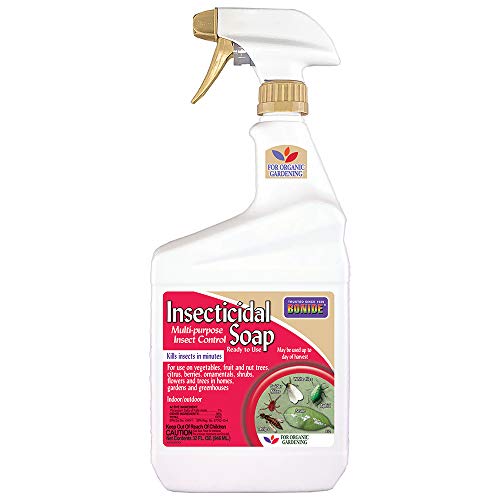
Bonide Insecticidal Soap provides a versatile contact and ingestion kill mechanism against a broad range of pests, including adelgids, aphids, thrips, caterpillars, mites, and more. It is designed for outdoor residential use in home gardens, lawns, ornamentals, and greenhouses, with compatibility across a variety of edible crops. The product’s mode of action—spraying directly on insects or allowing leaf-feeding pests to consume treated leaves—offers flexible integration into routine garden care. This soap-based option aligns with organic gardening practices while delivering practical pest suppression.
Key considerations:
– Effective against multiple pest categories with direct-contact action.
– Suitable for vegetables, herbs, and ornamentals; compatible with home garden settings.
– Consider rotating with other modes of action to reduce resistance risk.
The Organic Gardener’s Handbook Of Natural Pest And Disease Control

The Organic Gardener’s Handbook of Natural Pest and Disease Control offers a comprehensive, earth-friendly guide for managing pests and diseases in gardens. Authored to support organic methods, this Rodale publication covers prevention, diagnosis, and treatment strategies that align with sustainable vegetable production. The book blends practical field advice with insights on soil health, beneficial insects, crop rotation, and cultural controls, delivering a well-rounded reference for long-term pest management and garden resilience.
Key considerations:
– Evidence-based, environmentally conscious pest management strategies.
– Useful for beginners and seasoned organic gardeners seeking a reference manual.
– Emphasizes prevention, observation, and integrated approaches for healthier crops.
Garden Safe Brand Multi-Purpose Garden Insect Killer

Garden Safe Multi-Purpose Garden Insect Killer is designed for organic gardening across homes, home gardens, and home greenhouses. It targets a wide array of pests—aphids, tomato hornworms, green fruitworms, and other listed pests—while supporting edible crops up to the day of harvest. The product is formulated to provide a practical, user-friendly option for regular garden protection, with a safety emphasis suitable for households that maintain vegetable plots. Regular application during pest pressure periods helps minimize damage and crop loss without harsh synthetic inputs.
Key considerations:
– Broad pest coverage suitable for vegetables and ornamental plants.
– Safe for use up to harvest, enabling pre-season and mid-season management.
– Ideal for small to medium vegetable plots, balconies, and home greenhouses.
Buying Guide: Organic Pest Control For Vegetable Gardens
When selecting organic pest control for vegetables, consider the following perspectives to balance efficacy, safety, and garden health:
- Mode of action: Use a mix of contact sprays, systemic tools, and preventive measures to reduce pest pressure and resistance risk. Soap-based products provide immediate knockdown, while cultural controls and beneficial insects support long-term suppression.
- Pest spectrum: Identify the primary pests in your area (aphids, mites, caterpillars, whiteflies, hornworms, etc.) and choose products labeled for those groups. Rotate products with different active ingredients when possible.
- Harvest timing: For edible crops, prioritize products that allow application up to the day of harvest and avoid residues on ready-to-eat produce. Always follow label directions for safe usage windows.
- Safety and pollinators: Select products with minimized risk to pollinators during bloom. Where possible, apply early morning or late evening to reduce exposure to bees and other beneficials.
- Application convenience: Ready-to-use sprays save time for small gardens, while concentrates offer flexibility for larger plots. Consider your setup, equipment, and willingness to mix solutions.
- Integrated practices: Combine chemical-free cultural practices—crop rotation, sanitation, weed management—with botanical or soap-based controls for a holistic approach.
- Organic certification compatibility: Verify that products are labeled for organic gardening in your region and align with your preferred certification standards.
- Resistance management: Avoid relying on a single product across the season. Diversify modes of action and monitor pest populations to adjust treatment plans accordingly.
By blending ready-to-use sprays, concentrates, and informational resources, gardeners can tailor an organic pest-management plan that protects vegetable crops while preserving beneficial insects and soil health. Always read the product labels and local regulations to ensure compliance and optimal results for your specific garden context.