Tomato gardening benefits from targeted, organic pest management that protects edible yields without harsh chemicals. The following selections highlight plant-safe sprays suitable for tomatoes and other vegetables, standing up to common pests like aphids, mites, and caterpillars while supporting pollinator-friendly practices. Each product is designed for organic gardening, with options that also address fungal issues and disease. Below, you’ll find concise product highlights, usage notes, and practical guidance for choosing the right spray for your tomato setup.
| Product | Brand | Key Benefit |
|---|---|---|
| BioAdvanced Organics Tomato, Vegetable & Fruit Ready-to-Use | BioAdvanced | Fast-acting insect control and curative mildew protection |
| Bonide Insecticidal Soap | Bonide | Contact kill on a wide range of pests, indoor/outdoor use |
| BioAdvanced Tomato & Vegetable Pest Control | BioAdvanced | Fast-acting, versatile for vegetables including tomatoes |
| Earth’s Ally 3-in-1 Plant Spray | Earth’s Ally | Insecticide, miticide and fungicide in one spray |
| Neudorff Indoor Plant Spray | Neudorff | Broad-spectrum insect control, safe for edible harvest |
BioAdvanced Organics Tomato, Vegetable & Fruit, Ready-to-Use
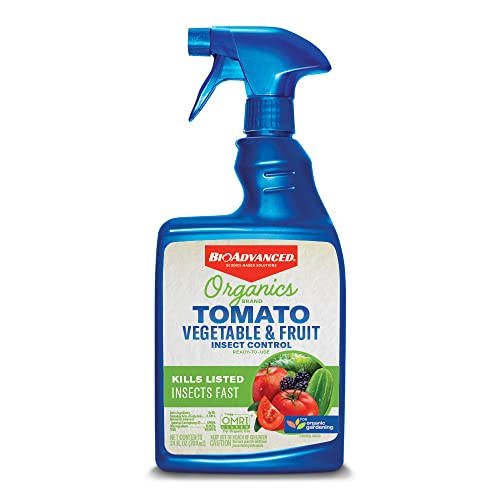
This ready-to-use spray is designed to protect edibles by killing listed insects on contact, including aphids, caterpillars, mealybugs, and spider mites. It also offers curative control against powdery mildew, making it a practical all-in-one option for tomato patches. The product is labeled for use on vegetables, fruit and nut trees, citrus, berries, herbs, and other outdoor container-grown plants. When applied as directed, it supports organic gardening goals while helping keep tomato foliage healthy and productive.
Bonide Insecticidal Soap, 32 oz
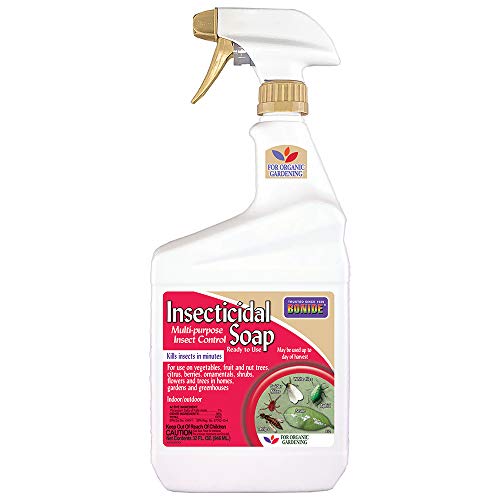
Bonide’s insecticidal soap provides direct-contact control for a wide spectrum of pests, including adelgids, aphids, caterpillars, spider mites, and more. The product is labeled for outdoor residential use in home gardens and can be applied to vegetables and ornamentals. It functions through direct contact and ingestion effects, making it suitable for immediate pest suppression on tomato plants, herbs, berries, and other edibles. Its broad compatibility supports organic gardening while reducing reliance on synthetic chemicals.
BioAdvanced Tomato & Vegetable Pest Control

This 24-ounce ready-to-use formula targets common garden pests such as aphids and cutworms while delivering a fast-acting protective effect for a variety of vegetables. Its versatile application scope covers tomatoes, peppers, carrots, and other listed plants, making it a practical option for mixed vegetable beds. The product emphasizes rapid protection, helping gardeners respond quickly to pest pressures without complex preparation. It’s well-suited for tomatoes seeking quick, consistent defense across seasons.
Earth’s Ally 3-in-1 Plant Spray

Earth’s Ally 3-in-1 Plant Spray combines insecticidal, miticidal, and fungicidal action in one ready-to-use solution. It leverages a synergistic blend of botanical oils to control pests such as spider mites, aphids, whiteflies, mealybugs, and scale, while also addressing powdery mildew and other plant diseases. The OMRI-listed formula is suitable for indoor and outdoor use and is designed to be safe for pollinators, kids, and pets when used as directed. This makes it a versatile option for tomato plants in mixed environments.
Neudorff Indoor Plant Spray

Neudorff Indoor Plant Spray provides broad-spectrum control for domestic use on vegetables, fruits, ornamentals, and houseplants. It targets a wide range of pests, including eggs, making it effective against cycles of infestation. The product uses Pyrethrins and canola oil as active ingredients, offering a botanical approach to organic gardening. It’s designed for harvest day safety, enabling edible plant use with careful application and adherence to label directions. This spray supports comprehensive pest management for tomato crops in both indoor and greenhouse settings.
Bonide Captain Jack’s Tomato & Vegetable Spray

Captain Jack’s Tomato & Vegetable Spray is designed to defend against pests such as aphids, spider mites, ants, caterpillars, and thrips, among others. It also addresses fungal diseases including blackspot, powdery mildew, rust, scab, and blight, making it a dual-action option for tomato health. Suitable for both indoor and outdoor use on listed fruits, vegetables, and ornamentals, this product can help protect tomato crops from early-season infestations and disease development as part of an integrated pest management plan.
Buying Guide
- Identify primary pests: For tomatoes, common threats include aphids, whiteflies, spider mites, and caterpillars. Choose products with proven efficacy against these pests and consider whether you also need disease control (powdery mildew or blight).
- Active ingredient considerations: Organic sprays may rely on insecticidal soaps, botanical oils, or pyrethrins. Soaps are gentle and contact-based, oils disrupt pests and can have broader plant-safety implications. Pyrethrins give quick knockdown but should be used carefully around pollinators.
- Residue and harvest timing: Look for formulations labeled safe for vegetables with clear instructions about harvest intervals. Some products are safe to use up to the day of harvest when guidelines are followed.
- Coverage and application method: Ready-to-use sprays are convenient for quick responses, while concentrates may offer broader coverage per bottle. Consider pump sprayers or mister compatibility for even coverage on tomato foliage.
- Environmental and safety concerns: Choose products with OMRI or similar organic certifications when possible. Check pollinator safety notes and compatibility with beneficial insects in your garden.
- Indoor vs outdoor use: If you grow tomatoes in containers or indoors, verify label guidance for indoor usage and any warning regarding enclosed spaces.
- Integrated pest management: Use sprays as part of a broader IPM approach, combining cultural controls (pruning, spacing), mechanical controls (hose-off, hand-picking), and limited chemical interventions when pests reach threshold levels.
- Rotations and resistance: Rotate products with different modes of action to reduce pest resistance risk and maintain long-term effectiveness.
- Plant health context: Some sprays also offer mildew or disease protection. If you’re facing powdery mildew or leaf spot, a product with dual insecticidal and fungicidal properties may provide added value.