Growing your own lemons is easier than you might think. This guide highlights five select lemon trees you can order online, focusing on dwarf varieties suited for patios, balconies, or indoor spaces. Each entry summarizes key traits, care needs, and suitability for different climates, helping you choose the right tree for your home garden or living space.
| Product | Variety | Size | Ideal For |
|---|---|---|---|
| Meyer Lemon Trees Live Plants Outdoor 13″-22″ Tall | Meyer Lemon | 13″ – 22″ | Indoor/outdoor, year-round freshness |
| Ponderosa Lemon Patio Fruit Trees Live Plants | Ponderosa Lemon | 13″ – 22″ | Patios, backyards, containers |
| Airlayered Meyer Lemon Tree | Meyer Lemon | 1-2 Feet | Warm climates, ready to bear fruit |
| 30PCS Meyer Lemon Seeds | Meyer Lemon (seeds) | Seeds | Home propagation, ornamental/functional |
| Garden State Bulb Meyer Lemon Tree | Meyer Lemon | 1 Gallon pot | Indoor/outdoor versatility |
Choosing the right lemon tree involves climate, space, and how much you value fruit yield versus maintenance. The following sections present five hand-picked options, with practical considerations for placement, care, and fruiting expectations. Each product is evaluated on growth habit, container suitability, and harvest potential to help you plan a thriving citrus addition to your home or yard.
Meyer Lemon Trees Live Plants: Indoor Or Outdoor Fresh Flavor

The Meyer lemon variety is a popular choice for home citrus growers due to its sweet and fragrant fruit and versatility in growing environments. These dwarf trees reach 13 to 22 inches in height, making them suitable for indoor corners as well as outdoor patios. They are described as easy to grow with low-maintenance needs, thriving in well-drained soil with adequate sunlight. While not shippable to certain western states due to regulations, this selection remains a staple for many suburban and urban gardens. The plant produces fragrant blossoms and yields lemons that are ideal for juicing, cooking, and beverages, adding year-round freshness to kitchens and living spaces.
Care considerations: Place in a bright location with full sun exposure, water when the top inch of soil dries, and ensure good drainage. Container-grown trees will require regular pruning to maintain size and encourage fruiting. This option emphasizes flavor and fragrance, bringing a bright, edible accent to indoor décor or outdoor deck spaces.
Ponderosa Lemon Patio Fruit Trees: Large, Juicy Lemons

The Ponderosa lemon is a distinctive hybrid known for notably large, juicy fruits. This dwarf tree is well-suited for patios, backyards, or containers, and it is explicitly noted as not available for shipment to certain states due to agricultural regulations. The tree’s robust fruiting habit makes it a practical choice for cooks and beverage enthusiasts who want consistent harvests from a compact plant. It offers a bright, citrus-forward flavor profile ideal for marinades, desserts, and refreshing drinks.
Care considerations: Ensure a sunny location with well-drained soil; regular pruning helps maintain size and vigor. This plant is described as suitable for both experienced gardeners and novices looking for reliable fruit production in restricted spaces. Be mindful of shipping restrictions when planning delivery to your address.
Airlayered Meyer Lemon Tree: High Yielding Citrus
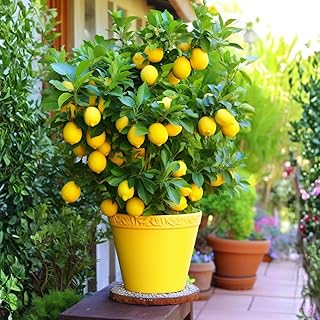
This airlayered Meyer lemon offers a compact, high-yielding option, ready to bear fruit in a 1-gallon pot. Suitable for USDA zones 9–11 and typically warmer climates, this plant emphasizes fruit production while remaining manageable in size. The provided description highlights its fragrant, sweet lemons and suitability for container growth, which makes it a practical choice for indoor spaces with ample light or sheltered outdoor areas in mild climates.
Care considerations: Position in a bright, sunny spot and maintain regular watering to keep the soil evenly moist but not waterlogged. Container growth allows for easy repotting as the plant matures. The no-ship-to-CA constraint should be considered during planning and checkout.
30PCS Meyer Lemon Seeds: Garden Propagation
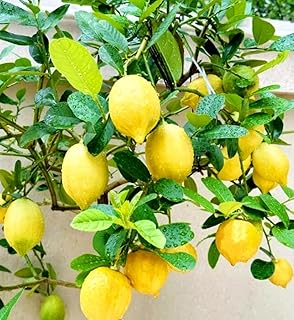
This option focuses on seed propagation for Meyer lemons, offering an alternative for gardeners who enjoy growing from seed or who want ornamental and functional garden additions. Meyer lemon seeds require warmth and humidity and thrive best in zones 8–11. While seed-grown plants may take longer to reach fruiting, they provide a hands-on experience and potential for customized plant traits through successive selections. This choice is suitable for patient growers who enjoy set-and-forget citrus projects.
Care considerations: Start seeds indoors or in a warm greenhouse to maximize germination rates. Transplant seedlings carefully to larger pots as they grow, ensuring consistent moisture and adequate light. The result can be aesthetically pleasing bonsai-like specimens or larger fruit-bearing trees over time.
Garden State Bulb Meyer Lemon Tree: 1-Gallon Pot
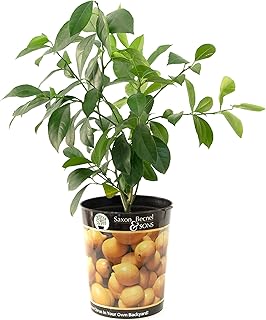
The Garden State Bulb Meyer Lemon Tree arrives in a 1-gallon grower’s pot, designed for indoor or outdoor use. It is labeled for hardiness zones 8 to 11 and accommodates partial sun to partial shade, making it adaptable for indoor bright windowsills or outdoor shaded patios. This tree’s flexibility is ideal for homes with variable light conditions or for those who want a citrus plant that can be placed in different spots as the season changes.
Care considerations: Provide bright light when indoors, with regular watering and well-draining soil. Outdoors, place in a semi-sunny location to protect from harsh afternoon sun in hotter regions. Container growing supports mobility and space management within living areas or smaller yards.
Buying Guide: Key Purchase Considerations
When ordering lemon trees, consider climate compatibility, container versus garden planting, and fruiting expectations. Dwarf varieties are ideal for small spaces, balconies, and indoor growing, while some selections are better suited to outdoor patios in warmer climates. Evaluate shipping restrictions to your state, especially for certain lemon varieties that have agricultural limitations.
- Climate compatibility: Identify whether the tree is rated for indoor warmth or outdoor exposure and your USDA hardiness zone. Meyer and Ponderosa lemons often perform well in containers in zones 8–11, with some exceptions noted for regulatory shipping restrictions.
- Container vs. ground: Decide between a pot-based setup for mobility and year-round placement or a planted option for established outdoor growth. Containers require well-draining soil and regular pruning to manage size.
- Fruit production expectations: Some varieties offer large yields and robust fruiting, while others emphasize ornamental value and fragrance. Consider how soon you want fruit and how much effort you’re willing to invest in care and pruning.
- Care requirements: Ensure access to bright light, appropriate water, and regular feeding for citrus. Balanced fertilization supports fruiting and tree longevity.
- Regulatory considerations: Be aware of state restrictions on shipping citrus plants and seeds. Plan accordingly to avoid delivery issues.
In summary, the right lemon tree choice balances space, climate, and your fruit goals. Whether you prefer a ready-to-bear fruit Meyer lemon, a large-fruit Ponderosa for culinary uses, or the hands-on experience of growing from seeds, these options provide a range of approaches to adding fresh citrus to your home. Consider starting with a dwarf, container-friendly variety for quick access to lemons and minimal space requirements, then expand as you gain experience and confidence in citrus care.