If you’re searching for vibrant orange and apricot David Austin roses that thrive in American gardens, you’ve found a reliable guide. This article highlights five top orange-ready David Austin varieties, explaining who they’re best for and why they stand out. Each option is described with planting maturity, growth habit, and suitable hardiness zones to help you choose confidently. The listed products are all offered by Heirloom Roses, a trusted source for own-root David Austin roses that emphasize strong bloom cycles and true-to-type performance.
Summary table of chosen products:
| Product | Growth Habit | Best For | Hardiness Zones |
|---|---|---|---|
| Lady of Shalott Orange Rose Bush | Compact to Medium | Borders and mixed beds | 4-11 |
| Climbing | Covered fences or trellises | 5-11 | |
| Medium shrub | Hedges and decorative borders | 5-10 | |
| Medium shrub | Rosette garden beds | 5-9 | |
| Medium | Sunny focal points | 5-10 |
Lady of Shalott Orange Rose Bush

The Lady of Shalott Orange Rose Bush is an own-root David Austin rose described for robust bloom and steady performance in 4-11 hardiness zones. It arrives in a one-gallon container with rich soil and is 12-16 months old, ensuring a strong start for new plantings. This compact to medium shrub is best for border edging or small garden beds where orange blooms can serve as a bright accent. Best for gardeners wanting reliable, repeat-blooming color without a sprawling habit. Caution: growth can be more compact in hotter climates, so monitor for any heat stress.
Bathsheba Orange Climbing Rose

Bathsheba is a climbing orange rose, also offered as an own-root variety that ships in a one-gallon container. Zones 5-11 suit many American gardens, particularly climbers on trellises, arches, or fences. This selection is ideal for gardeners seeking vertical color and fragrance along outdoor structures. Best for larger landscapes or privacy screens where a bright, long-blooming climber can shine. Limitation: climbing growth requires sturdy support and regular pruning to maintain shape.
Crown Princess Margareta® Orange Apricot

The Crown Princess Margareta Orange Apricot rose is an own-root David Austin plant, supplied in a one-gallon container with rich soil. Best for moderate sun gardens and decorative borders, this rose offers apricot-orange hues that blend well with pinks and creams. It suits zones 5-10, delivering consistent color across seasons. Choose this if you want a more compact shrub with rich, multi-tone blossoms and a regal naming to match a formal garden setting. Caution: color tones can vary with weather and soil conditions.
Carding Mill™ Rose Bush
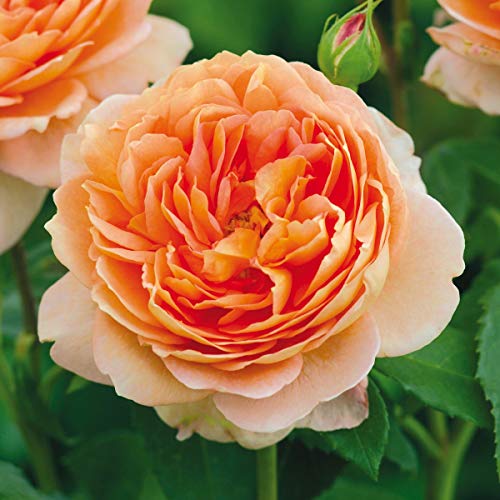
Carding Mill is an own-root option described as a David Austin rose suitable for outdoor planting, delivered in a one-gallon pot. Zones 6-10 accommodate a wide range of gardens, and the plant’s robust growth makes it a solid choice for medium-height borders. Best for gardeners who want a versatile orange-to-apricot rose that can anchor a garden bed. Limitation: not all catalog images show the full mature spread, so plan spacing accordingly.
Wollerton Old Hall Apricot Rose

The Wollerton Old Hall Apricot Rose is described as an own-root rose in a one-gallon container, suitable for zones 5-9. It is a medium-height shrub, well-suited for rosette beds or front borders where apricot tones can lead the color story. Best for gardeners seeking a softer apricot hue with a refined bloom form. Caution: apricot tones can fade in intense heat; provide afternoon shade in hot climates.
Golden Celebration® Yellow Rose
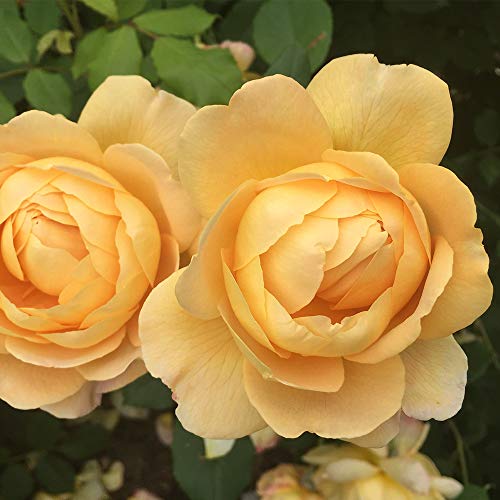
Golden Celebration is an own-root yellow rose, delivered in a one-gallon container with rich soil. Zones 5-10 accommodate this bright garden staple, great for sunny borders and as a focal point. Best for gardeners who want a vibrant yellow burst among surrounding plants. Limitation: color intensity can vary with sun exposure; ensure full sun for best color development.
Buying Guide: How to Choose The Right Orange David Austin Rose
- Assess your space: Do you need a compact shrub, a climber, or a border plant? Choose Lady of Shalott for borders, Bathsheba for vertical displays, and Crown Princess Margareta for decorative borders.
- Consider climate and hardiness: Most options here suit zones 5-11, with some lower or higher zone variance. Match to your winter lows and summer heat.
- Growth habit and support needs: Climbers require sturdy support; shrubs benefit from well-drained soil and pruning to maintain shape.
- Color and bloom timing: Apricot and orange tones offer season-long color, though intensity can shift with temperature and light exposure.
- Root type and care: All selections are listed as own-root, which typically improves bloom count and hardiness, but needs consistent moisture and feeding.
Frequently Asked Questions
- What does “own-root” mean for these roses? A: Own-root means the plant is grown from its own root system rather than being grafted onto another rootstock, which can improve bloom and hardiness over time.
- Are orange David Austin roses suitable for beginners? A: Yes, many listed varieties are manageable with basic care, though climbers require more training and support.
- Which variety is best for a front border? A: Lady of Shalot Orange or Wollerton Old Hall Apricot offer compact to medium heights ideal for borders.
- Can these roses handle hot summers? A: Most listed varieties tolerate warm climates but may need afternoon shade and consistent moisture in extreme heat.
- Do these roses need special pruning? A: Standard pruning to shape and remove deadwood in late winter or early spring is typical for David Austin roses.
- Which rose is best for a climbing fence? A: Bathsheba Orange Climbing Rose excels on vertical surfaces with strong color along the structure.