Answering the needs of American gardeners, this guide highlights top one-wheel and wheel-assisted cultivators that simplify soil preparation and weed control. These tools are ideal for small to medium vegetable gardens, raised beds, and flower plots where ease of use and efficiency matter. The following picks combine wheel-assisted designs, adjustable handles, and quick-change features to minimize strain and storage clutter.
| Product | Best For | Key Benefit |
|---|---|---|
| Walensee 2-in-1 Manual Wheel Hoe | Medium to large plots | Two interchangeable tools in one |
| EarthWay 6500 High Wheel Cultivator | Heavy-duty weeding | Three implements with steel build |
| Saker 22V Cordless Tiller | Small to medium spaces | Cordless convenience |
| BILT HARD 14-Amp Tiller | Corded reliability | Foldable handle for storage |
| BILT HARD 18-Inch Electric Tiller | Compact gardens | Wide tilling width with wheels |
The following sections provide concise, buyer-focused details for each product. Each entry explains who the tool suits best, why it was chosen, and one practical caveat to consider before purchase.
Walensee 2-in-1 Wheel Hoe Cultivator
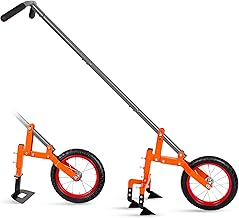
Best for vegetable gardens, raised beds, and flower beds that demand both soil loosening and weed removal with a single tool. The Walensee unit includes two interchangeable attachments—one for cultivating and one for weeding—so you can switch tasks quickly without juggling separate tools. This 2-in-1 design helps reduce clutter and storage space, making it a strong pick for gardeners who regularly rotate crops or maintain multiple beds.
The wheel-assisted design reduces pushing effort and improves control, which is advantageous for longer rows or sits of beds. A smooth wheel helps traverse uneven patches and damp soil with less strain than non-wheel hand tools. The adjustable long handle (51.9 to 64.9 inches) accommodates gardeners of varying heights and promotes an upright posture to minimize back fatigue during extended sessions.
Best for: gardeners seeking a compact, versatile tool that combines cultivation and weeding in one package, with adjustable reach for comfort. Limitations: the dual-tool system may require occasional tool swaps in dense weed beds, which can interrupt rhythm on very large plots.
EarthWay 6500 High Wheel Cultivator

Best for serious soil work where durability matters. The EarthWay 6500 features three implements and a heavy-duty all-steel construction, built around a one-inch plated tubular steel frame. This setup is ideal for gardeners who routinely prepare dense soil or large planting areas and want dependable performance without frequent tool replacements.
The tubular steel design provides robust rigidity, which helps maintain consistent tilling depth and width across beds. The high wheel design improves stability and reduces rutting on soft ground. It’s a good choice for users who want a long-term tool capable of handling tough plots and frequent, repetitive use.
Best for: dedicated gardeners needing a rugged, all-steel cultivator with multiple implements. Limitation: the heavier frame may be harder to maneuver in very tight spaces or small pots compared to lighter models.
Saker 22V Cordless Garden Tiller

Best for small to mid-sized gardens where cord access is limited. The Saker cordless tiller eliminates cord management with a 22V system and two included batteries, enabling more flexible movement in tight spaces and around existing plantings. A 9-inch tilling width and 6.3-inch depth cover typical home garden tasks like soil preparation, aeration, and weed disruption with ease.
The design emphasizes ergonomic handling and a lightweight feel, aided by an adjustable auxiliary handle. This helps distribute effort and reduce fatigue during longer sessions. The cordless format is particularly appealing for setups without convenient electrical outlets or for gardeners who value mobility.
Best for: users who want cordless convenience for smaller plots and quick, targeted cultivation. Caution: battery life will vary with soil density and tool load, so plan on charging breaks for larger beds.
BILT HARD Rototiller 14-Amp

Best for gardeners who want a corded power option with stable performance and convenient foldable handling. This 14-amp model offers an 8-inch tilling depth and a solid front-tine configuration to manage denser soils. The foldable handle design aids storage in compact spaces and when not in use. It provides dependable power for medium-sized plots and continuous operation on longer sessions.
Choose this if: you prioritize consistent corded power and a more compact footprint for storage. Avoid this if: you often work in areas without outlets or require a lighter tool for very tight spaces.
BILT HARD 18-Inch Electric Tiller
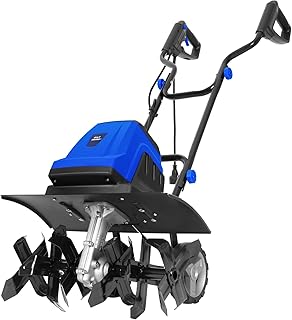
Best for compact gardens needing wider tilling without sacrificing maneuverability. The BILT HARD 18-Inch Electric Tiller pairs a broad 18-inch tilling width with an adjustable wheel design to support easier movement across beds and rows. It’s a practical option for homeowners with small to mid-sized plots who want quicker soil disruption and aeration.
Its corded design ensures consistent power delivery, and the adjustable wheels help tailor the tool to different soil conditions and bed layouts. This model is a straightforward, user-friendly option for regular seasonal tilling and pre-season soil prep.
Best for: gardeners seeking a broader tilling reach with straightforward operation. Caution: heavier soil or rocky patches can slow progress and may require additional passes or tool swaps for optimal results.
Buying Guide
What to look for when choosing a one-wheel or wheel-assisted garden cultivator:
- Soil and bed size: Smaller plots benefit from lighter, more maneuverable models; larger beds benefit from rugged steel frames and multiple implements.
- Power source: Corded models deliver consistent power but require outlets; cordless units offer mobility with limited runtime per charge.
- Attachment versatility: Two-in-one designs save space but may require occasional tool swaps for dense weed beds. Three-implement cultivators increase capability but add weight.
- Ergonomics: Adjustable handles and wheel alignment reduce back strain and improve control on longer sessions.
- Storage and portability: Foldable handles and compact form help fit tools in smaller sheds or garages.
- Maintenance: Steel frames resist wear, but consider rust protection and simple blade replacement procedures for long-term use.
FAQ
- Q: Do these tools work well in raised beds?
A: Yes. Wheel-assisted designs help traverse raised beds with reduced effort, especially when beds are bordered or narrow. - Q: Is a cordless tiller better than a corded model?
A: It depends. Cordless offers mobility in tight spaces and without outlets, while corded models typically deliver consistent, uninterrupted power for longer sessions. - Q: What maintenance is required?
A: Clean soil residues after use, inspect tines for wear, and store in a dry place. Replace worn blades according to manufacturer guidance. - Q: Can these tools handle rocky soil?
A: They perform best in loose to medium soils. Very rocky ground may cause wear or require multiple passes with lighter soils to avoid damage. - Q: Which is best for beginners?
A: Lightweight, adjustable-handle tools with simple assembly and clear operation instructions are ideal for novices. - Q: How do I choose between 9-inch and 18-inch tilling widths?
A: Use 9 inches for small, densely planted beds or tight rows; 18 inches for broader plots where faster coverage is needed.