The Nishiki dappled willow tree family adds color and texture to landscapes with pink, white, and green variegation. This guide highlights five strong choices, tailored for different spaces and levels of maintenance. Ideal buyers include: urban gardeners seeking compact options, hobbyists growing trees for seasonal color, and those wanting a versatile shrub that can be pruned into a small tree. The table below summarizes the featured selections to compare size, form, and suitability at a glance.
| Product | Form | Size/Pot | Best For | Notes |
|---|---|---|---|---|
| Green Promise Farms – Salix Hakaro Nishiki | Shrub | 3-gallon container | Small to medium yards, easy care | |
| Japanese Nishiki Willow Shrub – 8-14″ Quart | Shrub | Quart pot | Immediate color in beds or containers | |
| Japanese Dappled Nishiki Willow Shrub / 2.5″ Pot | Shrub | 2.5″ pot | Starter plant, seasonal interest | |
| 2 Japanese Dappled Nishiki Willow Shrub – 6-12″ Tall | Shrub | 2.5″ pots, pair | Budget-friendly multi-plant display | |
| Hakuro Nishiki Japanese Dappled Willow Bonsai | Bonsai/Container shrub | 4″ pot | Container culture, ornamental feature |
Green Promise Farms – Salix Hakaro Nishiki Shrub

This fully rooted shrub is ready for immediate planting, weather permitting. Best for USDA Zones 4-8, with an anticipated mature height and spread of 6-8 ft. Its tri-color foliage — white, green, and pink — provides year-round appeal. Easy to grow, making it suitable for beginner gardeners or busy homeowners who want a low-maintenance yet striking specimen. Caution: ensure soil drainage is good and avoid overwatering in winter dormancy.
Japanese Dappled Nishiki Willow Shrub (6-12″ Tall) 2.5″ Pot

Shipped as a small starter plant, this option grows into a tall, fast-growing shrub reaching 15-20 feet with pink, white, and green foliage. Seasonal color changes enhance winter interest with reddish branch hues. Best for containers or garden beds where height will be appreciated as the plant matures. Limitation: initial size is small, so it may require patience before reaching its full effect.
Japanese Dappled Nishiki Willow Shrub / 2 1/2″ Pot
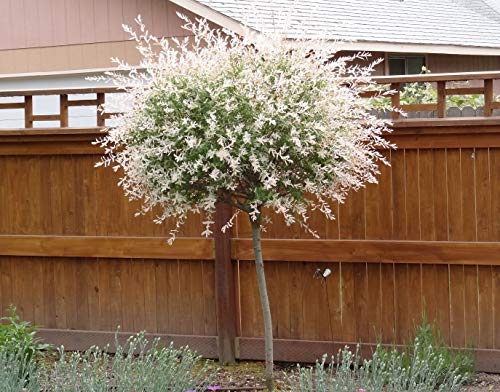
This listing features a single Nishiki Willow in a 2.5″ pot, approximately 6-12″ tall. If you want to observe color progression before expanding, this is a good option. Note: the listing notes the plant ships dormant in winter/early spring and may appear as stems without leaves upon arrival. Best for small spaces or as a starter for a larger bed.
2 Japanese Nishiki Willow Shrub – 6-12″ Tall

This product provides two Nishiki Willow plants in 2.5″ pots, each 6-12″ tall. The dual-package option is ideal for creating a symmetrical display or filling a larger border more quickly. Best for budget-conscious buyers who want a quicker landscape impact. Caution: smaller pots may require more frequent watering and eventual repotting as plants grow.
5 Japanese Dappled Nishiki Willow Shrub – 6-12″ Tall

A five-pack option for larger installations or creating a color-rich border. Each plant is approximately 6-12″ tall in 2.5″ pots, offering quick landscape impact. This choice is best for gardeners who want multiple focal points or a cohesive row of color. Limitation: care logistics increase with the number of plants received at once.
Japanese Nishiki Willow Shrub – 8-14″ Quart

This single shrub comes in a quart pot and stands 8-14″ tall, making it ideal for immediate placement in small beds or containers while still growing into a substantial landscape feature. Best for gardeners who want a mid-start plant with assured color. Caution: expect a transition period as the plant grows into full vigor in the first growing season.
Hakuro Nishiki Japanese Dappled Willow Bonsai

This bonsai-style Nishiki Willow shows white-green-pink foliage in a compact 4″ pot, designed for decorative indoor or outdoor display. Best for enthusiasts who enjoy year-round container art and a conversation piece in a patio or entryway. Limitation: bonsai requires regular pruning and careful watering to maintain diminutive form.
Buying Guide: Nishiki Dappled Willow Tree Essentials
- Size and form: Decide between shrubs, trees in training, and bonsai. Smaller pots suit containers and tight spaces; larger containers or ground planting fit broader landscapes.
- Color and seasonality: Expect variegated foliage with pink, white, and green tones; color intensity varies by season and light exposure.
- Light and soil: Most Nishiki willows prefer full sun to partial shade and well-drained soil. They can tolerate a range of soils but avoid heavy, waterlogged conditions.
- Watering and maintenance: Regular watering is essential for new transplants; established plants are relatively drought-tolerant but benefit from consistent moisture in warm months.
- Hardiness and placement: Reference USDA zones for winter survivability. Group plants with similar light and water needs where possible to simplify care.
- Combined displays: Use multiple plants of the same variety to create color blocks or borders that highlight seasonal shifts in foliage.
FAQ
- What is the best light for Nishiki Willow plants? Answer: Most Nishiki willows thrive in full sun to partial shade, with the most vibrant variegation in brighter light.
- How large does Hakuro Nishiki typically grow? Answer: In landscape settings, it can reach 6-20 feet tall depending on pruning and space, with a broad spread.
- Are Nishiki Willows easy to transplant? Answer: Yes, especially when planted in the planting season; ensure the root ball remains intact and water well after planting.
- Can Nishiki Willows be grown indoors? Answer: They are primarily outdoor shrubs; indoor growth is limited and requires careful light, humidity, and pruning.
- Do these plants require special soil? Answer: They perform well in well-drained soil; improve drainage if your soil tends to stay wet.
- What maintenance should I expect? Answer: Pruning to maintain desired shape, seasonal watering, and occasional fertilization as part of growing cycles.