Protecting crops and supporting climbing varieties is easier with the right garden plant netting. This article reviews five highly-relevant nets designed for trellising, pest protection, and overall plant health. Each product is evaluated for durability, ease of use, and versatility to help American gardeners choose the best option for tomatoes, cucumbers, beans, blueberries, and more. The selections emphasize durability, UV resistance, and practical installation in small urban gardens or larger plots.
Summary Table of Selected Products
| Product | Brand | Key Use | Approximate Size |
|---|---|---|---|
| 2 PCS Garden Plant Trellis Netting | Sukh | Trellis support for climbing plants | 5 x 15 ft |
| Bird Netting for Garden Protection | LCHUANG | Pest barrier for birds and insects | 3.3 ft x 2.7 ft (per piece, 4-pack) |
| Garden Netting Pest Barrier | Garden Tailor | General pest exclusion for garden beds | 4 ft x 10 ft |
| Trellis Netting, CANAGROW | CANAGROW | Heavy-duty climbing support | 6 x 15 ft |
| Ultra Fine Garden Netting | YFFSIDMY | Fine barrier against small pests | 4 ft x 10 ft |
Sukh Garden Plant Trellis Netting: 5×15 Ft

The Sukh trellis netting is built from durable polyester nylon, designed to support heavy crop loads while remaining reusable. Its 5 x 15 ft layout features a 6 x 6 inch square mesh, providing a grid-like structure suitable for vines, tomatoes, cucumbers, beans, and eggplants. The net can be fixed to frames or posts and can align horizontally or vertically, adapting to various garden layouts. Gardeners can use it to guide plants upward, promoting air circulation and easier harvests without crowding or breakage.
Key considerations favoring Sukh include high-strength materials that resist tearing, a square-mesh design for stable support, and the flexibility to adapt to different plant growth habits. For larger vertical setups, multiple nets can be combined. The net’s reusability makes it a practical long-term investment, especially for gardens with recurrent climbing crops or fruiting vines. Assembly generally involves anchoring the net to a sturdy frame and weaving plants through the mesh as they grow.
LCHUANG Bird Netting For Garden Protection

The LCHUANG garden netting provides a lightweight, transparent barrier intended to protect vegetables, fruits, and ornamental plants from birds, insects, and other pests. Each net features a drawstring-style adjustment to secure coverage over plants, with a sturdy PE construction designed to withstand outdoor conditions for extended periods. It is particularly suitable for blueberries, tomatoes, trees, and potted plants in greenhouses, patios, or open garden beds. Its ease of use is a notable benefit for quick installation and removal as plants grow or as pests change with the seasons.
From a practical standpoint, the LCHUANG netting balances visibility with protection. While it guards against pests, it remains lightweight enough not to overburden branches or trunks. The drawstring mechanism makes it adaptable for various plant shapes and sizes, reducing the need for constant adjustments during growth. Gardeners should consider sizing to ensure complete coverage of targeted plants and to prevent pests from entering around edges.
Garden Tailor Pest Barrier Netting
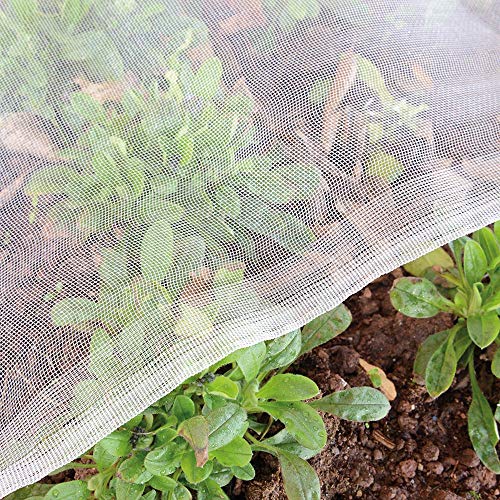
Garden Tailor’s pest barrier is a versatile 4’x10′ net designed to protect a wide range of garden crops from insects and larger pests. The net is made from 100% HDPE material with UV resistance for outdoor use and tight selvedge to prevent unraveling. It serves well as a row cover, greenhouse screen, or raised bed protection, offering broad-spectrum insect exclusion while maintaining airflow and light transmission. This makes it suitable for vegetables, herbs, fruits, and flowering plants across different seasons and garden setups.
Key attributes include durability, UV stability, and the option to use indoors or outdoors. The ability to trim or tailor the net to fit hoops, frames, or tunnels adds to its practicality for irregular beds or curved layouts. Gardeners should weigh the balance between pest exclusion strength and the need for adequate pollinator access when planning use in fruiting crops.
CANAGROW Heavy-Duty Trellis Netting
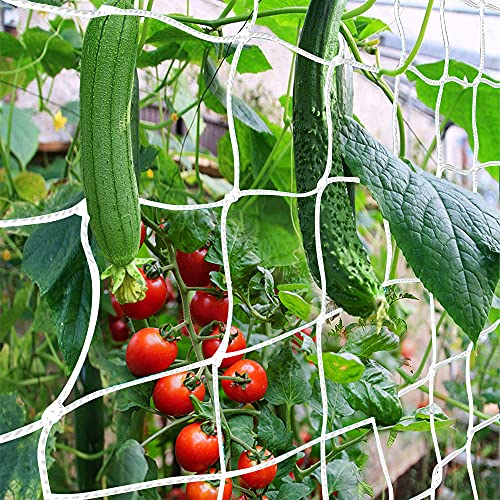
The CANAGROW trellis netting is a heavy-duty option designed for climbing plants such as beans, tomatoes, peas, pumpkins, and flowers. Available in 6×15 ft or 6×30 ft sizes, it is reusable and can be cut to fit specific spaces. The net’s robust construction helps it hold the weight of vigorous vines and heavy fruit, making it suitable for larger gardens or vertical farming setups. Its versatility allows attachment to poles, stakes, or frames, enabling gardeners to direct growth upward efficiently.
Practical considerations include the need for cutting to fit irregular beds and ensuring corners are well anchored to maintain tension as plants grow. The net’s durability makes it a favorable long-term purchase for those who frequently grow heavy-climbing crops or perform trellis-based garden designs. When using CANAGROW nets, plan for maintenance checks to prevent sagging and to keep airflow and sunlight adequate for plant health.
YFFSIDMY Ultra Fine Garden Netting

YFFSIDMY offers an ultra-fine garden netting with a mesh hole of 0.8mm x 1mm, creating an effective barrier against small pests such as birds, squirrels, and insects while allowing sufficient airflow and sunlight. The net is sold in multiple sizes, with 4×10 ft as a common option, and it is designed for easy trimming to fit hoops, frames, or arches. It’s suitable for raised beds, greenhouses, and row covers, making it a versatile choice for gardeners seeking precise pest exclusion without pooling moisture or restricting growth.
Considerations for YFFSIDMY include its fine mesh balance: it provides strong protection against small pests but may require more frequent maintenance to ensure edges stay taut and edges do not loosen over time. It is well-suited for fruit, vegetables, flowers, and trees where a delicate barrier is needed, and where transparency helps monitor plant health without sacrificing protection.
Buying Guide
When selecting garden netting, consider these essential factors to match the right product to your garden goals.
- Purpose: Trellis versus pest protection. Trellis nets are designed to support growth and guide climbing plants, while pest nets block insects and birds. Some products combine both roles, but clarify primary use to avoid over- or under-permitting growth.
- Mesh size and material: Finer meshes protect against small pests but may restrict airflow and sunlight if too dense. Durable materials like HDPE, PE, and polyester/polypropylene blends balance protection with weather resistance and reusability.
- Size and expandability: Measure your beds, rows, and trellis frameworks. Choose nets that can be cut or extended to fit irregular shapes or long rows, and consider reusability for future seasons.
- UV resistance and climate suitability: In regions with strong sun or seasonal rain, UV-stable nets maximize longevity. Check the product’s warranty and care instructions for outdoor use.
- Installation and maintenance: Look for drawstrings, edge reinforcements, or simple tie-down methods. Ensure you have stakes, hoops, or frames ready for secure installation and easy removal for harvesting.
- Impact on pollinators: If covering fruiting crops or flowering plants, evaluate how the net affects pollinator access. Some gardeners prefer partially covering or using removable nets during blooming.
- Cost and durability: Heavier-duty nets may carry a higher upfront cost but offer greater durability and longer lifespans. Compare replacements versus long-term value, especially for large gardens.
In summary, the best netting for a given garden depends on the balance between strong plant support, pest exclusion, and practical installation. For climbers and heavy crops, plan for a sturdy trellis system paired with durable netting. For pest protection, prioritize mesh size and easy access for maintenance and watering. Combining nets with frames or supports often yields the most reliable results for a productive, well-protected garden.