Nesting boxes designed for ducks help attract and protect waterfowl while simplifying egg collection and upkeep. Below are five reliable options that balance predator protection, venting, drainage, and easy cleaning. Each choice suits yards, wetlands, or pondside habitats, offering durable construction and thoughtful features for ducklings and adult ducks alike.
| Product | Brand | Key Feature |
|---|---|---|
| Woodlink WD1 Wood Duck Nesting Box | Woodlink | 4 x 3-in oval entrance; easy-open front; cedar construction |
| Amcortn Duck House | Amcortn | 17x10x10 inches; drainage holes; duckling-friendly ladder |
| JCS Wildlife Cedar Wood Duck Nesting Box | JCs Wildlife | 4″ oval entrance; predator guard; clean-out door |
| Applewood Premium Pine Wood Duck House | Applewood Outdoor | Floor drains; 3×4 inch entrance; durable pine construction |
| Deblue Nesting Box for Ducks | Deblue | Weatherproof plastic; ventilation windows; spacious interior |
Woodlink WD1 Wood Duck Nesting Box

The Woodlink WD1 is built for marshland settings with kiln-dried inland red cedar and chromate screws, ensuring weather resistance and durability. It features a 4 x 3-inch oval entrance designed for duck passage while minimizing predation risk. An easy-open front allows quick access for maintenance and egg collection. This box emphasizes a natural wood aesthetic that blends into wetland landscapes while delivering practical nesting space for wood ducks and hooded mergansers alike.
Amcortn Duck House

The Amcortn duck nesting box is designed to attract tree-dwelling ducks with generous interior dimensions of 17x10x10 inches. It incorporates drainage holes to keep the interior dry and a 3×4 inch entrance that suits common North American duck species. The construction emphasizes durability and weather resistance, with a focus on safety and a duckling-friendly exit strategy. The design provides a stable shelter that endures year after year in outdoor conditions.
2 Wood Duck Nesting Boxes
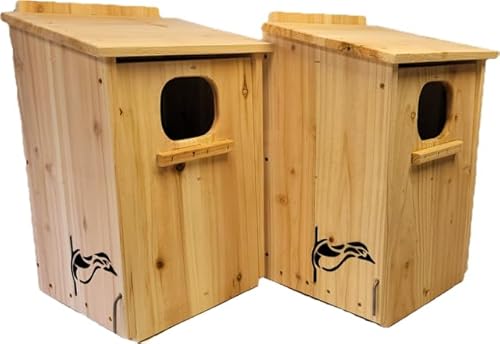
This option pairs two wooden duck nesting boxes in a compact setup. Features include an easy swing-open design for seasonal cleaning without tools, a built-in hardware cloth ladder for ducklings, and vent holes above the front panel for proper airflow. The dual-box configuration makes it convenient to accommodate multiple pairs or to rotate nests seasonally, allowing better management of nesting habitats in wetlands or backyard water features.
Deblue Nesting Box for Ducks
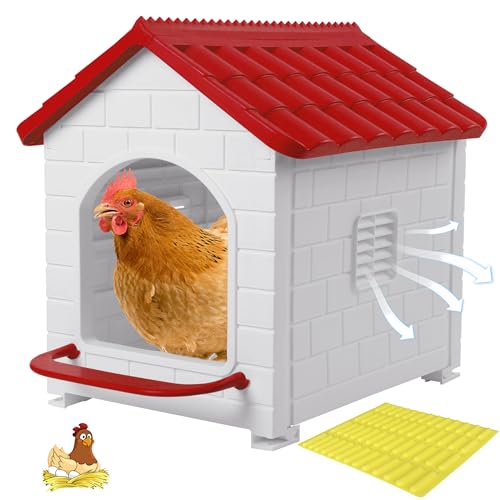
The Deblue nesting box offers a weatherproof plastic build with ventilation windows and an entrance perch for stable airflow and comfortable entry. Its roomy interior supports nesting activity for ducks, and the design is easy to clean. The plastic material provides durability against moisture and is simple to maintain in outdoor settings, making it a practical choice for ponds, coops, and backyard habitats.
JCS Wildlife Cedar Wood Duck Nesting Box

The JCs Wildlife cedar wood duck house emphasizes predator protection with kerfs and a built-in guard. It features a 4-inch oval entrance and a convenient clean-out door to simplify maintenance. The cedar material offers natural insect and weather resistance, making it a reliable long-term nesting solution in outdoor environments near water and reeds where wood ducks are common.
Applewood Premium Pine Wood Duck House

The Applewood duck house uses premium pine with a natural oil finish for durability in harsh outdoor conditions. It includes a 3×4 inch entrance and floor drainage to keep the nesting environment dry and hygienic. A duckling ladder feature helps hatchlings climb out safely when the time comes, supporting a secure transition from nest to the outdoors while maintaining heat insulation benefits typical of wooden constructions.
Buying Guide: Key Purchase Considerations
When choosing a duck nesting box, consider material, entrance design, drainage, ventilation, predator protection, and ease of cleaning. Cedar and pine are common durable choices for wetland or pondside setups because they resist moisture and pests. Entrance size matters to select target species; most North American wood ducks and hooded mergansers prefer a 3×4 inch or 4×3 inch oval opening. Integrated drainage and floors that stay dry reduce dampness that can affect eggs and ducklings. Predator guards and easy-clean access help maintain a hygienic nesting area with minimal disturbance. If space is limited, consider a twin-box setup to host multiple pairs, while ensuring each box has stable placement and proper ventilation.
Maintenance considerations include seasonally cleaning and inspecting boxes for wear, ensuring insulation helps extremes of weather, and confirming that doors or fronts open smoothly for quick access. Predator deterrents such as predator guards and secure mounting reduce risk to nests. For canvassing large wetlands, wooden options blend into natural surroundings and resist environmental wear, but plastics can offer lower maintenance in some climates. Finally, ensure the product dimensions suit your birds and location, and verify mounting options whether mounting on posts, trees, or perches along a pond edge.