Discover top natural fungicides that protect your lawn from common fungal diseases while prioritizing safety for families, pets, and the environment. This guide compares products with organic or plant-based actives, highlighting how they work, where they’re best used, and key considerations for choosing the right solution for your yard.
| Product | Active Approach | Best For | Usage |
|---|---|---|---|
| ARBER Organic Fungicide | Certified Organic, plant-based | Indoor/outdoor plants and lawns | Soil health and disease protection |
| FortaGrow Plant Disease Control | Natural thyme oil | Powdery mildew, botrytis, anthracnose | Indoor/outdoor around family spaces |
| Scotts DiseaseEx Lawn Fungicide | Broad-spectrum fungicide | Lawn fungi prevention and control | Large lawns, quick protection |
| Bonide Infuse Systemic Disease Control | Systemic fungicide | Turf and ornamentals | Broad disease coverage |
| Atticus Gravex 20EW | Myclobutanil-based | Brown patch, rust, powdery mildew | Lawns and landscapes |
ARBER Organic Fungicide — Natural Lawn and Plant Defender

ARBER’s Organic Fungicide is a plant-friendly solution designed for both indoor and outdoor use. It targets common diseases such as powdery mildew, root rot, and leaf spot while promoting healthier plant growth and soil health. The product claims long-lasting protection against diseases and stresses, including lawn fungal issues like lawn rust and mushrooms. This makes it a versatile option for gardeners seeking an organic approach while protecting lawn health.
FortaGrow Plant Disease Control Spray

FortaGrow uses natural thyme oil as its active ingredient, offering a plant-based, chemical-free option for treating powdery mildew, botrytis, and other common diseases. It’s designed for safe use around families and pets when used as directed, making it suitable for home gardens, lawns, and landscapes seeking a gentle yet effective defense against fungal spread.
Scotts DiseaseEx Lawn Fungicide
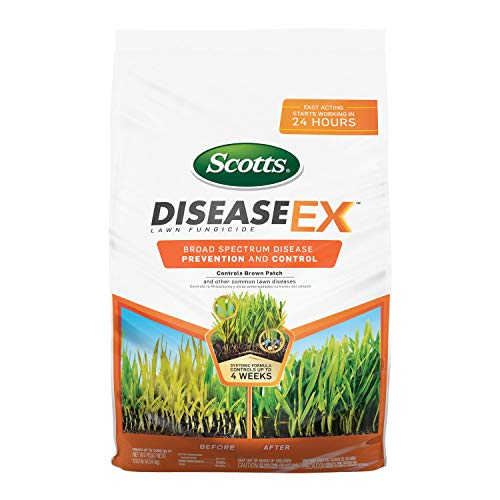
Scotts DiseaseEx Lawn Fungicide is a ready-to-use solution designed to prevent and control 26 listed lawn diseases. It starts working within 24 hours and provides protection for up to four weeks. This option is well-suited for homeowners with large lawns who want predictable, quick-acting protection against diseases such as brown patch, powdery mildew, and red thread.
Southern Ag Garden Friendly Biological Fungicide
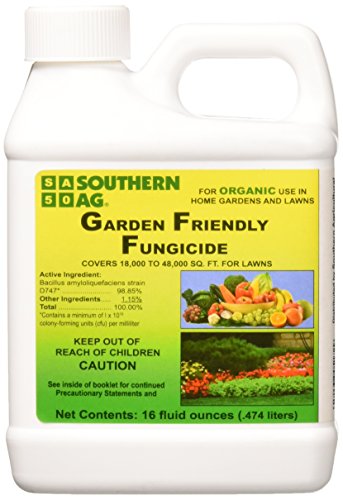
Southern Ag’s Garden Friendly Biological Fungicide emphasizes beneficial microbes to suppress fungal pathogens. It supports soil health while offering an eco-conscious option for lawn care. The listing indicates a straightforward application approach, suitable for gardeners seeking a biological alternative with broad compatibility for lawns and ornamentals alike.
Atticus Artavia 2 SC Azoxystrobin Fungicide

Artavia 2 SC from Atticus uses 22.9% azoxystrobin to offer broad protection against many turf and ornamental fungi. It moves within the plant, providing root-to-leaf defense. The product targets a wide range of fungi, including anthracnose, brown patch, leaf spot, rhizoctonia, and more, making it a robust choice for severe or persistent lawn disease pressure.
Buying Guide
- Active ingredient and mode of action: Natural fungicides vary from plant-based oils (thyme, essential oils) to biologicals and systemic actives. Consider whether you need preventive protection, curative action, or both, and whether you prefer contact or systemic activity.
- Safety and labeling: Check for family-and-pet-friendly formulations and any indoor/outdoor usage restrictions. Organic and natural labels help guide safety expectations but always follow label directions.
- Lawn size and application: For large lawns, products with longer residual protection and ease of application (spray concentrates vs ready-to-use) save time and effort. Confirm coverage rates on the label.
- Target diseases: Different products cover different fungi. Identify the most common lawn issues in your area—brown patch, red thread, rust, powdery mildew—and choose a product with proven efficacy for those diseases.
- Environmental impact: Plant-based and biological options often reduce environmental impact. Consider soil health, beneficial organisms, and runoff considerations when selecting a product.
- Resistance management: Rotating between products with different modes of action can help prevent resistance and extend effectiveness across seasons.
- User experience: Look for clear instructions, season-long protection, and compatibility with other lawn care programs (fertilizers, herbicides) to avoid conflicts.
- Price vs coverage: Evaluate cost per treated area and how often applications are needed to maintain disease control over the growing season.
Choosing a natural fungicide for your lawn involves balancing disease pressure, safety priorities, and application practicality. For routine prevention on large lawns, a ready-to-use or easy-to-apply product with long residual protection can be advantageous. For mixed beds and ornamental turf, a broad-spectrum option with systemic capability may offer superior protection. Always follow product labels and consider integrating cultural practices—proper mowing, iron applications, adequate watering—to support fungicide effectiveness and overall lawn health.