If you’re growing a money plant (Epipremnum aureum) and want healthier vertical growth, the right moss sticks or moss poles can make a big difference. These stakes provide structure for climbing vines, promote air root attachment, and help plants reach a lush, upright display. This guide highlights top options that suit different budgets and space, so you can pick the best moss pole for money plants in your home or office.
Buyer types: beginners will appreciate straightforward, sturdy poles; seasoned gardeners may prefer tall, bendable, or stackable designs to shape growth. Use the table below to compare features at a glance.
| Product | Length | Core Material | Wrap Material | Best For |
|---|---|---|---|---|
| K-Brands 2 Pack 28” Bendable Moss Pole | 28 inches | Aluminum core | Coconut coir | Medium-to-tall money plants; beginners |
| Craft911 Moss Pole Monstera Plant Support – 2 Pack 28” | 28 inches | Aluminum core | Coconut fiber | Climbing plants needing strong shape; larger vines |
| LifeNest 3 Pack 50 Inch Moss Poles | 50 inches | Aluminum core | Coconut fiber | Tall plants; multiple configurations |
| PLANTPOLEX Moss Pole – 2 Pack 17 Inch | 17 inches | Wood core with aluminum inside | Coconut coir | Shorter poles; stackable for growth |
| Sproot 2 Pack 48” Bendable Moss Pole | 48 inches | Aluminum core | Coco coir | Very tall money plants; dramatic vertical display |
K-Brands 2 Pack 28” Bendable Moss Pole
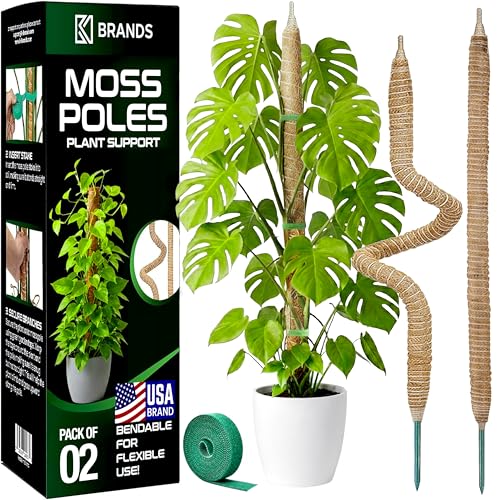
Best for: money plants with moderate height and beginner-to-intermediate gardeners. These 28-inch moss poles feature a bendable metal core wrapped in eco-friendly coconut coir. The design supports climbing plants like monstera, pothos, and philodendron, providing a natural climbing aid and a neat vertical display. A potential limitation is the 28-inch length, which may require stacking or partial use for very tall plants.
Why selected: The set offers two poles for easy pairing, stable support, and a natural look that blends with most interiors. The coconut coir wrap promotes aerial root attachment and helps retain moisture, aiding plant health as vines climb and thicken.
Caution: Ensure proper insertion depth to avoid tipping when young plants start climbing. Avoid forcing plants to climb in crowded spaces where stems may rub against furniture.
Craft911 Moss Pole Monstera Plant Support – 2 Pack 28”

Best for: climbing plants that require tall, sturdy support and a natural look. These 28-inch bendable moss poles are built around a bendable metal core, offering both strength and shapeability for monstera, pothos, and philodendron. The coconut fiber wrap supports air-root attachment and a realistic tree-like appearance.
Why selected: The bendable core allows custom angles, helping you guide growth around lamps or shelves. The natural coco coir wrap provides a familiar feel for climbing plants while maintaining a visually clean aesthetic.
Caution: The poles rely on adequate soil depth for stability; ensure they’re anchored well to prevent wobble as vines gain mass.
LifeNest Moss Pole 3 Pack – 50 Inch

Best for: tall money plants or multiple specimens in one setup. The 50-inch poles extend tall enough to train mature vines and accommodate future growth. The inner aluminum core keeps stiffness, while the coconut fiber wrap supports natural root adherence and moisture retention.
Why selected: A 3-pack provides flexibility for groups of plants or for building layered vertical displays. The long length minimizes the need for frequent replacement as plants grow taller.
Caution: Longer poles may require stronger staking at the base; ensure stability in windy rooms or on mobile displays.
PLANTPOLEX Moss Pole – 2 Pack 17 Inch

Best for: compact setups or as starter poles for small pots. The 17-inch poles are easy to position in tight spaces and can be stacked to increase height as the plant grows. They use a wooden interior with aluminum in the core for a strong, flexible structure wrapped in natural coir.
Why selected: The stacked design allows you to tailor height to the plant’s current size, providing a cost-effective option for growing money plants in small apartments or offices.
Caution: Shorter poles may need to be replaced or extended as vines grow taller; plan ahead for future growth when choosing quantity.
Sproot 2 Pack 48” Bendable Moss Pole

Best for: very tall money plants or dramatic vertical displays. These 48-inch poles combine an aluminum core with a coco coir wrap for sturdy support and natural climbing behavior. They’re designed to be bendable, letting you shape the pole to fit shelves, lamps, or corners.
Why selected: The extra height is ideal for large specimens or groups wanting significant vertical growth without frequent pole replacements. The patent-pending design emphasizes flexibility and a stable frame for climbing vines.
Caution: Very tall poles require deep potting and secure anchors to prevent tipping as plants gain mass.
Buying Guide: Moss Poles For Money Plants
What should you consider when choosing moss poles for money plants?
- Height and growth stage: Taller poles work well for mature vines; shorter ones suit small pots or starter plants. Consider stacking options for future growth.
- Core and wrap materials: Aluminum cores provide strength with bendability; coconut coir wraps support moisture retention and aerial root attachment. Avoid poles wrapped in non-moss materials that don’t promote root adherence.
- Durability and stability: Look for rust-proof cores and sturdy bases; ensure the pole anchors deeply enough to prevent tipping.
- Number of poles: Decide if you need a single-pole setup or a multi-pole arrangement for several plants in one area.
- Ease of installation: Poles with simple insertion steps and included ties or ropes help beginners set up quickly without harming stems.
- Reusability: Coir-wrapped poles are generally reusable; ensure you can detach and reconfigure as plants grow.
How to Use Moss Poles Effectively
Insert poles deeply into the potting mix near the plant’s base. Tie the stems to the pole with soft ties or jute rope as they grow. Train the vines to climb by gently guiding new growth toward the pole. Regularly check attachments to prevent girdling or constriction.
Maintenance Tips
Wipe down the coir wrap if dust accumulates and prune vines to maintain balanced growth. Rehydrate dry coir by misting if needed, but avoid soaking the root zone excessively. When upgrading to taller poles, secure the new pole before removing the old one to minimize plant stress.
Frequently Asked Questions
- Do moss poles help money plants grow faster?
They support vertical growth and root attachment, which can lead to healthier, taller vines over time, but growth rate depends on overall care and lighting. - Are coconuts coir poles safe for edible plants?
Yes, coir is a natural, renewable material commonly used in houseplant care; rinse if dust accumulates and avoid overwatering. - Should I replace moss poles periodically?
Reuse is possible, but consider replacement if the wrap deteriorates or the pole becomes unstable. - Can I stack poles for very tall plants?
Yes, many poles are designed to stack or extend; ensure stable anchoring at the base. - What thickness is best for the pole’s core?
A thicker aluminum core generally provides better rigidity for heavier foliage, reducing bending over time.
Summary: The right moss pole depends on your plant’s height, space, and whether you prefer a shorter or tall, bendable, or stackable design. For money plants in compact spaces, 17–28 inch poles are convenient and easy to manage. For taller displays, look to 48-inch options or multi-pack sets that let you tailor height as growth continues. Each listed product uses coco coir wrapping to promote natural climbing and aerial root development, while aluminum cores ensure durability and control over shape. Choose poles that fit your space, growth expectations, and maintenance preferences.