To optimize irrigation, choose a moisture sensor that matches your system and climate. This guide presents five reliable options that work with common sprinkler timers, helping you save water while keeping lawns and gardens healthy. Best for weather-aware watering, remote monitoring, or simple on/off control, these sensors suit DIY setups and smart-home enthusiasts alike.
Summary table of selected products:
| Product | Best For | Key Benefit | Notes |
|---|---|---|---|
| Orbit 57069N Rain and Freeze Sensor | All-season sprinklers | Detects rain and freeze; suspends watering automatically | Weather-resistant wiring |
| Hunter Rain Clik WRCLIK | Controllers with quick rain shutoff | Wireless rain shutoff; easy mounting | Gutter or wall mounting |
| RAINPOINT WiFi Soil Moisture Sensor | Smart WiFi control | Automatic on/off based on soil data | Needs compatible timer/hub |
| NexusLab Wireless Soil Moisture Meter | Expanded monitoring | Expandable up to 12 zones | 230 ft range |
| HiLetgo 5pcs LM393 Sensor Kit | DIY projects | Simple moisture detection for automation | Basic analog/digital output |
Orbit 57069N Rain and Freeze Sensor for Sprinkler Controllers
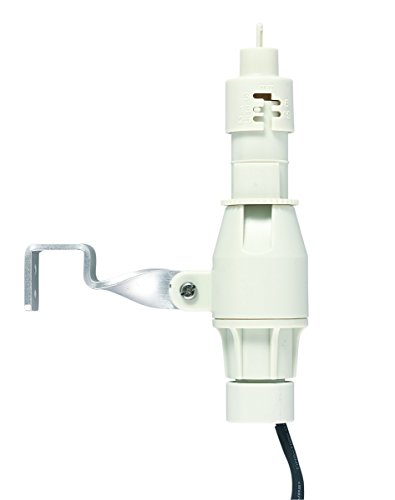
The Orbit 57069N is a rain- and freeze-detection sensor designed to protect sprinklers from unnecessary watering. It uses weather-resistant wiring that runs from the controller to an eave or open area, where water-absorbing disks expand when wet and trigger a suspension of watering. This model is best for homeowners who want a passive shutoff that activates during rainfall or freezing temperatures, reducing water waste and protecting plants from overwatering. A potential limitation is the need for proper installation to ensure the sensor disk responds accurately to rainfall in your climate.
Hunter Rain Clik WRCLIK Wireless Rain Sensor

The Hunter Rain Clik WRCLIK is a wireless rain sensor that can shut off a sprinkler controller the moment rain begins. It mounts easily on an eave or flat surface and can be paired with a gutter mount. This option is ideal for users who want rapid rain response and flexible installation. It’s better suited for systems where a quick, autonomous rain shutoff is a priority. A potential caveat is that wireless devices may require occasional battery or connectivity checks depending on your setup.
RAINPOINT WiFi Soil Moisture Sensor
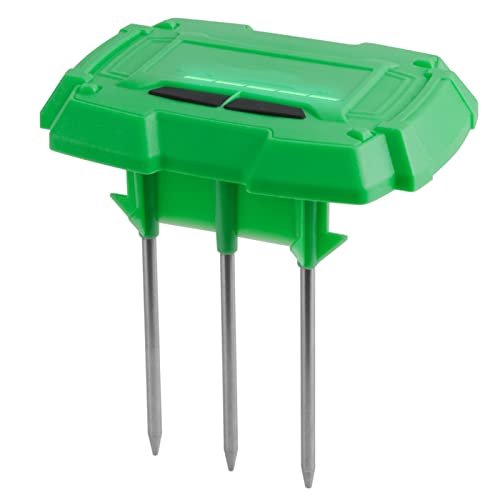
The RAINPOINT sensor integrates with compatible WiFi timers and hubs to automatically adjust watering based on soil moisture and temperature. It requires pairing with specific models (TTV103WRF/TTV203WRF timer and TWG004WRF hub) and permits monitoring via a dedicated app. It’s best for homeowners who want to automate irrigation using real-time soil data and remote access. A limitation is the reliance on compatible hardware and the proximity requirement (within 10 meters for stable data).
NexusLab Wireless Soil Moisture Meter with LCD Receiver
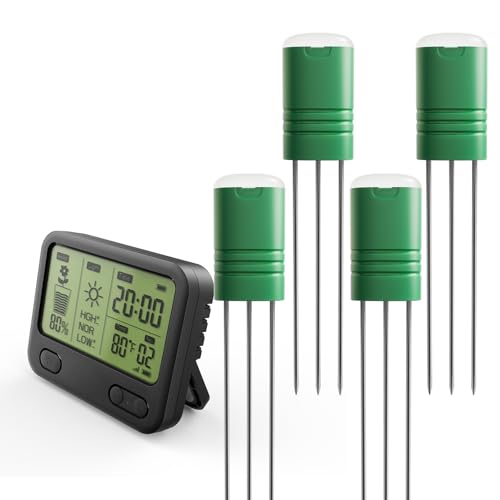
The NexusLab system offers an expandable monitoring framework, starting with two sensors and extending up to twelve zones. It features Time Domain Reflectometry (TDR) accuracy with stainless-steel probes and a robust 230-foot open-area RF range. This setup suits larger gardens or multiple beds where centralized monitoring is desired. It’s best to choose this if you need scalable, professional-like soil readings across many zones. Note that walls and obstacles may reduce the effective range.
HiLetgo 5pcs LM393 Soil Moisture Sensor Kit
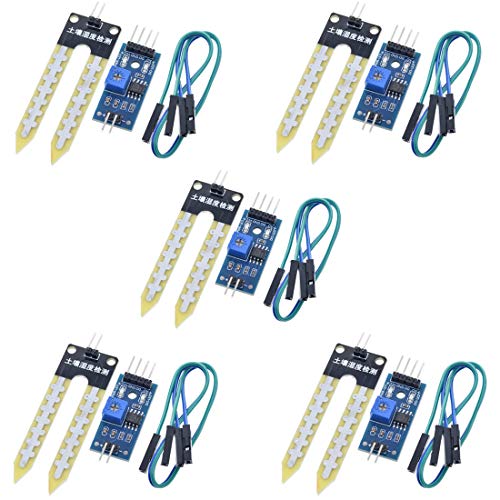
The HiLetgo LM393 kit is a budget-friendly moisture-sensing option for DIY irrigation projects. It provides digital and analog outputs suitable for simple automation or experiments with Arduino-style controllers. Best for hobbyists or small, low-budget setups. A caution is that this kit requires additional electronics and programming to integrate into a functional sprinkler system, and reliability may vary with soil conditions and moisture level interpretation.
AEDIKO 2 Sets Automatic Irrigation DIY Kit
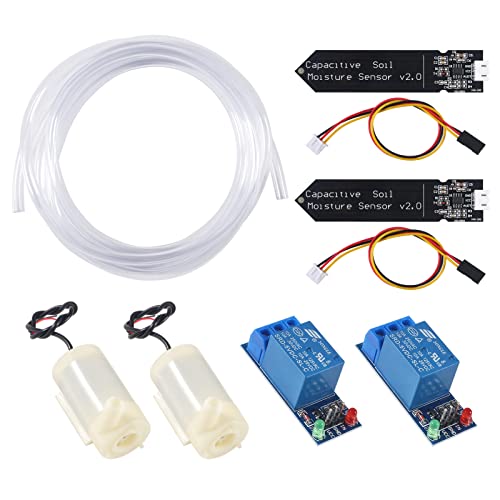
The AEDIKO DIY kit combines a capacitive soil moisture sensor, a 1-channel 5V relay, a water pump, and tubing into a single ready-to-run system. It’s best for those who want an all-in-one solution to automate plant watering without purchasing multiple components separately. The kit uses analog sensor output to control the relay. A limitation is that it may require basic wiring and troubleshooting for reliable long-term operation in varied soil types.
Hunter Sprinkler MINICLIK Rain Sensor

The Hunter MiniClik Rain Sensor stops irrigation when rainfall reaches a pre-set level and resumes after the storm passes. It is designed for quick, straightforward installation on automatic irrigation systems. Best for users who want a compact, cost-effective rain shutoff. A potential drawback is the need to recalibrate after severe weather events or seasonal changes in rainfall patterns.
Buying Guide: Key Considerations for Moisture Sensors
- Compatibility: Verify that the sensor works with your sprinkler timer or controller. Some models require specific hubs or timers to enable automatic on/off or remote monitoring.
- Response Type: Decide between rain/temperature-based shutoffs, soil moisture-based control, or hybrid approaches. Rain sensors save water during wet weather, while soil moisture sensors optimize irrigation based on soil conditions.
- Connectivity: Wired sensors are reliable and low-maintenance; wireless sensors offer flexible placement but may need battery changes or pairing.
- Range and Interference: For multi-zone systems, ensure the signal range supports your garden layout without dead zones; consider physical obstacles like walls or fences.
- Power and Installation: Some devices are battery-powered; others require power or a wired connection. Consider ease of installation and potential weather exposure.
- Data and Monitoring: If you value remote monitoring, select sensors with app integration or WiFi hubs. Check how often data is updated and how it’s presented.
- Durability: Look for weatherproofing suitable for outdoor use and resistance to direct sun, rain, and temperature fluctuations.
Frequently Asked Questions
- What is a moisture sensor for sprinklers used for?
Moisture sensors help decide when to irrigate by sensing rainfall, soil moisture, or both, reducing water waste and avoiding overwatering.
- Do I need WiFi for soil moisture sensors?
Some sensors work with WiFi to enable remote monitoring, while others are standalone and wired or battery-powered. Choose based on your preferred setup.
- Are rain sensors better than soil moisture sensors?
Rain sensors protect against watering during rain, while soil moisture sensors optimize watering based on actual soil conditions. For best results, combine both in a smart system.
- Can I install a moisture sensor myself?
Yes, many sensors are designed for DIY installation, but follow manufacturer instructions for wiring, mounting, and calibration to ensure accuracy.
- How do I know which sensor fits my sprinkler controller?
Check compatibility lists from the controller’s manufacturer and ensure the sensor’s communication method (wired, wireless, or WiFi) aligns with your setup.
- What maintenance is required?
Inspect sensors for debris, ensure disks or probes are clean and correctly positioned, and replace batteries or faulty components as needed.