When choosing moisture-retaining potting soil, look for blends that balance water retention with good drainage. This guide highlights top options ideal for container plants, herbs, vegetables, flowers, and indoor greenery. Each product is selected for its ability to hold moisture between waterings while still letting roots breathe. Best for busy gardeners, beginners, and urban growers who water infrequently.
| Product | Best For | Moisture Benefit | Key Note |
|---|---|---|---|
| Miracle-Gro Moisture Control Potting Mix – 8 qt (2-Pack) | All container plants | Up to 6 months feeding; absorbs up to 33% more water | Great for busy schedules |
| Garden Magic General Purpose Moisture Retaining Potting Soil (40 lb) | Indoor & Outdoor, general use | Moisture retention for prolonged dry spells | Versatile and budget-friendly |
| Burpee Premium Organic Potting Mix (9 Quarts) | Containers, herbs, vegetables | Coconut coir-based moisture retention; up to 3 months feeding | OMRI listed for organic use |
| Miracle-Gro Moisture Control Potting Mix – 16 qt (2-Pack) | Larger containers | Up to 6 months feeding; higher volume | Same moisture-control formula as 8 qt |
| Miracle-Gro Indoor Potting Mix for All Plants (6 qt, 2-Pack) | Houseplants | Water retention with sphagnum peat, coir, and perlite | No compost or bark |
Miracle-Gro Moisture Control Potting Mix – 8 qt (2-Pack)

Best for: container gardeners who want long-lasting moisture management. Why selected: This mix feeds plants for up to 6 months and claims to absorb more water than standard potting soils due to sphagnum peat moss, coir, and a wetting agent. Caution: Not all plant types need extended feeding; over-fertilization can occur if used with already nutrient-rich setups.
Michigan Peat Garden Magic General Purpose (40 lb)
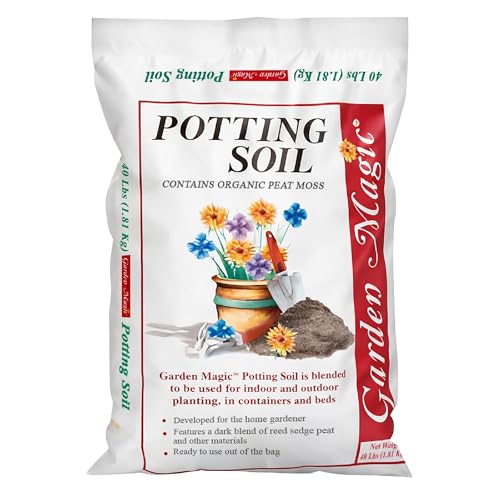
Best for: versatile indoor/outdoor use with broad plant types. Why selected: A general-purpose mix designed for moisture retention, suitable for pots, raised beds, or planters. Caution: Being a general mix, it might require supplemental feeding for fast-growing vegetables or flowering plants.
Burpee Premium Organic Potting Mix (9 Quarts)

Best for: organic container gardening and edible pots. Why selected: All-natural mix with coconut coir supports moisture retention and provides a slow-release feeding for up to 3 months. Caution: OMRI-listed indicates organic use, but some crops may respond differently to slow-release nutrients.
Miracle-Gro Moisture Control Potting Mix – 16 qt (2-Pack)

Best for: larger containers or multiple plants. Why selected: Same moisture-control formula as the 8 qt variant, but in a higher-volume package to suit bigger pots or patio planters. Caution: Higher volume may be more than needed for small pots; measure carefully to avoid overwatering in cramped spaces.
Miracle-Gro Indoor Potting Mix for All Plants (6 qt, 2-Pack)
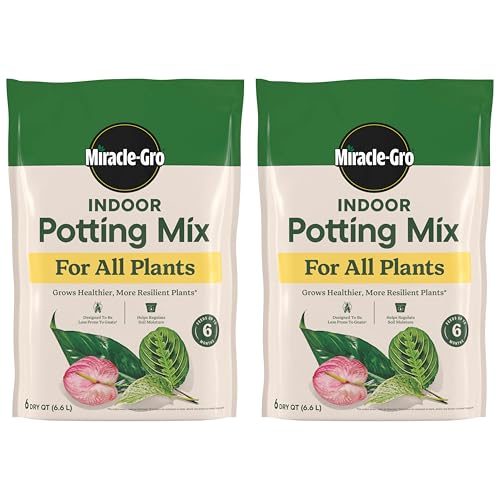
Best for: indoor houseplants and mixed containers. Why selected: Blended with peat moss, coconut coir, and perlite to optimize water retention and release; does not include compost or bark to minimize fungus gnats. Caution: Not designed for outdoor use in harsher climates; keep indoors or use a sturdier outdoor mix.
Buying Guide
What should moisture-retention potting soil include?
Look for a blend that combines moisture-absorbing components (like peat moss or coconut coir) with good drainage and aeration (perlite or vermiculite). A wetting agent can improve uniform water distribution, and a light fertilizer helps feed plants for weeks to months depending on the mix.
How to choose by plant type?
Container vegetables and herbs often benefit from moisture-retaining mixes with slower-release fertilizer. Ornamental flowers may prefer lighter blends with consistent moisture. Houseplants generally thrive with peat-based or coir-rich mixes that hold water but drain well.
What about feeding duration?
Some mixes include extended feeding (up to 6 months) while others provide up to 3 months of slow-release nutrients. Consider how often you water and fertilize; longer feeding reduces maintenance but may require selective feeding for heavy feeders.
What are the trade-offs?
Higher moisture retention can mean less frequent watering but potential overwatering if drainage is poor. Always ensure pots have drainage holes, use pots of appropriate size, and adjust watering schedules to the plant’s needs and climate.
Is organic options better?
Organic mixes (like Burpee) appeal to gardeners seeking OMRI-listed products. They typically rely on natural ingredients such as coconut coir and compost inputs. They may have different nutrient release rates compared to synthetic blends.
How to use these blends effectively?
Fill pots to allow a 1–2 inch space at the top, avoid compacting the soil, and water thoroughly after planting. For outdoor containers, ensure the mix repels erosion from wind and sun. For indoor pots, monitor humidity and adjust watering to prevent root rot.
Maintenance tips
- Check soil moisture with your finger; water when the top inch feels dry.
- Use a saucer to catch excess water; avoid letting pots sit in standing water.
- Refresh topsoil every season in heavily-used containers.
- Combine with a balanced fertilizer according to plant type if using non-nutrient blends.
Frequently Asked Questions
- Q: How often should I water moisture-retaining potting soil?
- A: Watering frequency depends on plant type, pot size, climate, and potting mix. Check the top inch of soil and water when dry.
- Q: Can I mix moisture-retaining soil with regular potting soil?
- A: Yes, blending can tailor moisture retention to plant needs, but ensure proper drainage remains.
- Q: Are these soils suitable for edible plants?
- A: Many are suitable for edible container gardening, especially those labeled for organic or general-purpose use. Verify ingredients and guidelines for vegetables and herbs.
- Q: Do these mixes cause fungus gnats?
- A: Some mixes contain organic materials that can harbor fungus gnats; choose options without bark and keep containers clean, dust-free, and well-drained.
- Q: Is there a difference between indoor and outdoor potting soils?
- A: Yes. Outdoor mixes often accommodate drainage in exposed conditions and may include different fertilizers, while indoor mixes focus on odor, lightness, and low pest risk.