Mango trees can thrive in container setups, balcony spaces, or small gardens with the right choice and care. This guide highlights five container-friendly mango options, ranging from seed-grown varieties to dwarf, transplant-ready trees. Each selection is suited for indoor or outdoor growing, with tips on soil, sunlight, and watering to maximize fruit production in limited spaces. Whether you’re starting from seed or transplanting a young tree, these picks offer a mix of quick growth, fiberless fruit, and container compatibility to fit American climates.
| Product | Brand | Notes |
|---|---|---|
| 3pcs Mango Tree Seeds for Planting | BuggyBeds Store | Seed set, indoor/outdoor, fast-growing |
| Honey Kiss Mango Tree | Unspecified | Seed-grown seedling, 8–12 in, ideal for pots |
| 16oz Mango Fruit Tree Fertilizer | HiThrive | Liquid fertilizer, supports foliage and fruit |
| Pickering Mango Tree | Unspecified | Seed-grown, 8–12 in, compact for containers |
| Mango Live Plant 10-16” Tall | AKTRD Store | Tall live plant for containers/garden |
Product Details
3pcs Mango Tree Seeds For Planting
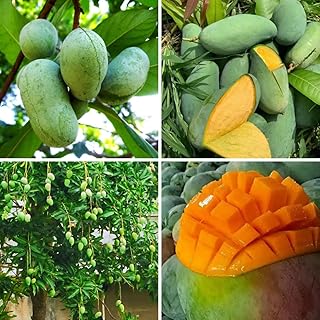
The BuggyBeds Store mango seed set includes three premium tropical fruit seeds designed for rapid growth. These seeds are suitable for indoor spaces, balconies, or outdoor containers, offering a versatile option for starting a mango tree from seed. Ideal for gardeners seeking a fast-growing, space-efficient addition to a home orchard, with foliage that brings a tropical vibe to any area.
Honey Kiss Mango Tree

The Honey Kiss Mango Tree is a naturally seed-grown dwarf variety, typically 8–12 inches tall, well-suited for pots, grow bags, or compact home gardens. It thrives in warm climates (zones 9–11) and produces small-to-medium, honey-sweet, fiberless mangoes, making it a practical choice for container-based citrus-like fruiting indoors or on a sunny patio.
16oz Mango Fruit Tree Fertilizer

This 16-ounce bottle yields 16 gallons of liquid fertilizer, with a formula rich in nitrogen, phosphorus, and potassium to promote lush foliage, strong roots, and sweeter mangoes. The blend also includes micronutrients like calcium, iron, and zinc to support tree health and productive harvests. Suitable for routine feeding during active growth and fruiting phases in containers.
Pickering Mango Tree

The Pickering Mango Tree is naturally seed-grown, producing a strong root system and vigorous growth. Arriving as an 8–12 inch young plant, it is designed for easy transplanting into pots or garden beds and bears sweet, fiberless mangoes with attractive golden-yellow skin and orange flesh when ripe. A reliable option for container landscapes seeking consistent fruiting.
Mango Live Plant 10-16” Tall

The Mango Live Plant from AKTRD Store stands 10–16 inches tall and is suitable for container growth or garden planting. This live plant brings a tropical fruit tree into smaller spaces, offering the potential for home-grown mangos on a balcony, patio, or sunny window. Consider it for early-stage container projects that may scale with time and care.
Buying Guide
Key considerations for growing mango trees in containers include climate suitability, space, pot size, soil mix, and watering requirements. For seed options, expect longer rooting periods and potential variability in fruit quality or timing; dwarf and seed-grown nursery plants typically offer faster fruiting and easier transplanting. Container choice matters—the pot should provide adequate drainage and a stable root environment. Use a well-draining, slightly acidic to neutral potting mix, and ensure full sun exposure for most mangos. Regular feeding with a balanced fertilizer supports growth, while careful pruning maintains shape and size. Compare seed-versus-plant approaches based on patience, space, and fruiting goals. Durability in warm seasons and protection from frost is essential in temperate American regions.
When selecting products, consider fruit quality expectations, readiness for container life, and whether you prefer seed-starting kits or established saplings. For fertilizers, review nutrient balance and application guidelines to avoid over-fertilization. For long-term container success, schedule periodic repotting into larger containers and monitor soil moisture to prevent root rot. Finally, assess climate adaptability: zones 9–11 generally support outdoor mango growth, while cooler areas may require seasonal indoor placement or greenhouse options.