Malathion sprays are a popular option for controlling a wide range of garden pests on ornamentals, fruit trees, vegetables, and shrubs. This guide highlights five reliable malathion-based products and explains who each is best for, along with practical buying tips. The selection focuses on ready-to-use and concentrate formulas, plus options that include helpful application gear. Ideal buyers include home gardeners needing broad-spectrum control, professionals managing larger beds, and those seeking specific pest targets like aphids or spider mites.
| Product | Brand | Form | Key Benefit | Best For |
|---|---|---|---|---|
| Hi-Yield 55% Malathion Spray (32 oz) | Hi-Yield | Ready-to-use spray | High concentration; broad pest control | Medium to large beds, fruit trees, fruiting plants |
| Spectracide 32 oz Malathion Insect Spray & Chapin 1-Gallon Sprayer | Spectracide | Ready-to-use spray with sprayer | Includes spray equipment; extended reach | Gardens needing scalable application; larger plants |
| Ortho MAX Malathion Insect Spray Concentrate, 16 oz | Ortho | Concentrate | Versatile concentrate for various plants | Flexible mixing and use on multiple ornamentals and edibles |
| Southern Ag Malathion-Oil Citrus and Ornamental Spray, 16 oz | Southern Ag | Ready-to-use spray (with oil) | Includes mineral oil for added pest suffocation | Citrus, palms, ornamentals; trees and outdoor plants |
| Hi-Yield 55% Malathion Spray (8 oz) | Hi-Yield | Ready-to-use spray | Smaller bottle option; strong pest control | Small to medium containers; targeted spot treatments |
Note: Always follow the label directions for rate, target pests, and safety. If you’re unsure about plant sensitivity, test on a small area first and monitor for phytotoxicity.
Hi-Yield 55% Malathion Spray (32 oz)

Features: 55% Malathion active ingredient. Designed to effectively control aphids, thrips, spider mites, lace bugs, and more. Suitable for herbaceous plants, ornamental non-flowering plants, shrubs, vegetables, and fruit trees. Best for home gardens with mixed plantings and fruit trees in need of broad-spectrum insect control. Caution: High concentration requires careful handling and adherence to label instructions to protect beneficial insects and avoid plant sensitivity. This product is best for users who need a ready-to-use solution with strong efficacy on a wide pest range.
Spectracide 32 oz Malathion Insect Spray & Chapin 1-Gallon Sprayer

Features: Kills aphids, red spider mites, mealybugs, thrips, scales, whiteflies, and other listed insects. Includes a Chapin 1-gallon sprayer with an anti-clog filter, 12-inch extension wand, and a 34-inch hose for extended reach. Best for gardeners who want a combined spray system for larger beds or frequent applications. Limitation: The integrated sprayer adds bulk; consider storage space and weight for easy handling. Choose this if you prefer a ready-to-use kit with extended reach and reduced clogging risk.
Ortho MAX Malathion Insect Spray Concentrate, 16 oz
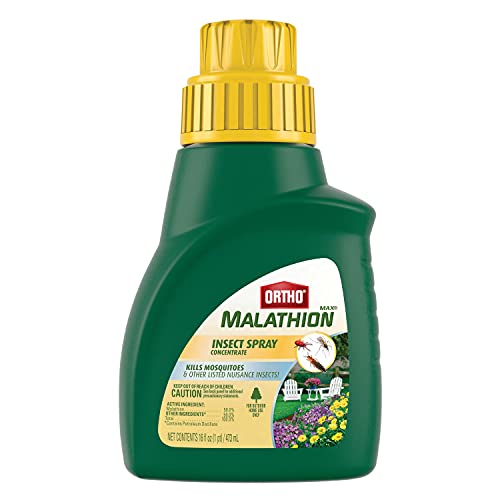
Features: This concentrate targets mosquitoes and other listed insects, including aphids, whiteflies, mealybugs, red spider mites, and scales. Use on ornamentals, roses, flowers, shrubs, trees, fruits, citrus, and vegetables. Best for gardeners who want a customizable solution and are comfortable mixing concentrates. Caution: Requires precise mixing and application to achieve effective pest control and prevent overuse. Choose this if you need flexibility across a broad plant set and application sizes.
Southern Ag Malathion-Oil Citrus and Ornamental Spray, 16 Ounce

Features: Contains 5% Malathion and 75% mineral oil, with 20% other ingredients. Controls scale, whiteflies, spider mites, and citrus mealy bugs. Suitable for all citrus, avocado, palms, and outdoor ornamentals. Best for citrus-heavy landscapes or plants that tolerate oil-based formulations. Limitation: Oil-based carriers can affect sensitive plants; test on a small area before broad use. Choose this if you want the added oil component for enhanced pest suffocation and extended coverage on outdoor ornamentals.
Buying Guide
Key considerations when selecting a malathion spray for plants:
- Pest targets: Which pests are most common in your garden? Aphids and spider mites are common targets for malathion products listed here.
- Form and ease of use: Do you prefer ready-to-use sprays, concentrates, or a kit with a sprayer? Ready-to-use options are simpler; concentrates offer flexibility.
- Plant compatibility: Some plants are sensitive to harsher sprays. Test on a small area before large-scale use and follow label cautions.
- Coverage and reach: For larger beds, consider sprayers or kits with extended wands for thorough coverage.
- Oil-based formulations: Some products combine malathion with oils, which can improve pest control but may affect certain plant species. Use on tolerant plants and test first.
- Re-entry and harvest timing: Check whether there are restrictions on re-entry into treated areas and pre-harvest intervals for edible crops.
FAQ
- What pests does malathion control best?
Malathion targets a broad range of insects, including aphids, thrips, spider mites, whiteflies, scales, and some caterpillars. Efficacy can vary by pest and plant type.
- Can I mix malathion with other garden products?
Always follow label instructions. Some combinations may be incompatible or require separate applications.
- Is malathion safe for pollinators?
Malathion can impact non-target insects, including pollinators. Apply with care and avoid spraying blooming flowers when pollinators are active.
- How should I store malathion products?
Store in a cool, dry place away from children and pets, sealed and upright to prevent leaks.
- What should I do if I suspect plant damage after application?
Rinse the plant with water and review label guidance. If symptoms persist, discontinue use on that plant species.
- Do these products require dilution?
Some products are ready-to-use, while others require precise mixing. Always follow the label’s dosage instructions.