Choosing the right hole digger can save time and reduce effort on fencing, planting, or deck installs. This guide compares five leading models—electric and gas augers—that balance power, durability, and ease of use. Each option is designed to handle various soil conditions, from soft ground to compact clay, while offering practical features like reverse operation, ergonomic grips, and interchangeable bits. Read on to identify which machine best fits your project scale, maintenance preferences, and budget.
| Product | Brand | Power Type | Bit Sizes |
|---|---|---|---|
| DC HOUSE 1500W Electric Post Hole Digger | DC HOUSE | Electric | 6″ (standard) |
| PROYAMA Electric Post Hole Digger | PROYAMA | Electric | 4″, 6″, 8″ (bits) |
| VEVOR Electric Post Hole Digger | VEVOR | Electric | 5.71″ bit (approx. 145 mm) |
| XtremepowerUS 1500W Electric Post Hole Digger | XtremepowerUS | Electric | 6″ (bit set) |
| NEWTRY 1200W Electric Post Hole Digger (Cordless) | NEWTRY | Cordless / Electric | 6″ (bit) |
DC HOUSE 1500W Electric Post Hole Digger

The DC HOUSE 1500W electric model combines plug-and-play convenience with solid digging power. Its 1500W motor delivers the torque needed for consistent hole digging in typical backyard projects, while a lightweight design reduces fatigue during longer sessions. The unit uses a durable aluminum motor housing and a nylon body with manganese steel auger bits, supporting reliable performance in soil with moderate resistance. A 3/4″ drive shaft ensures compatibility with common auger components. This model emphasizes ease of use—no fuel mixing, simply connect and operate.
PROYAMA Electric Post Hole Digger

The PROYAMA model offers versatility with 4″, 6″, and 8″ auger bits plus a 12″ extension rod. A robust 1700W motor supports heavy digging, while two anti-skid grips provide stability and leverage. A reversible handle and torque control enhance maneuverability and safety, with an anti-kickback system reducing jam risk during tough digging. The included gear box carries a five-year warranty, emphasizing long-term reliability for frequent projects in gardens or farms.
VEVOR Electric Post Hole Digger

VEVOR emphasizes power and efficiency, with a 1500W motor and a 5.71-inch blade that can tackle holes up to about 150 mm in diameter and over a foot in depth. Alloy steel auger bits and a rust-resistant coating provide durability in varied soil conditions. A 140 RPM rotation speed supports steady, controlled drilling, and the tool is designed to maintain performance in challenging weather, making it a practical choice for homeowners and light professional use alike.
XtremepowerUS 1500W Electric Post Hole Digger
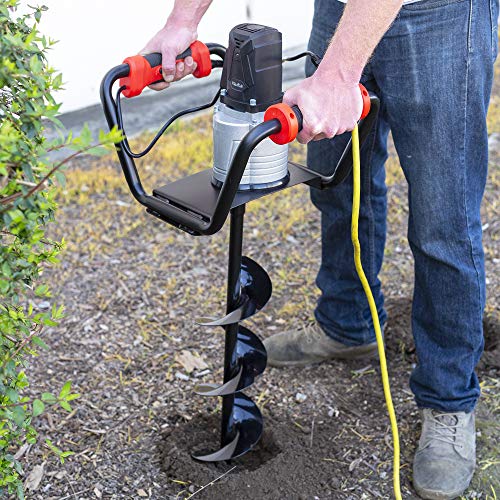
The XtremepowerUS machine offers a dedicated 1500W motor with a 6″ digging auger bit set. It includes a safety lock to prevent accidental triggering and skid-proof handles for stability on uneven ground. The auger bits are manganese steel with a protective finish to resist wear and corrosion, ensuring durability across multiple projects. This model balances power with practical safety features, appealing to homeowners and contractors who require reliable performance with straightforward operation.
NEWTRY 1200W Cordless Electric Post Hole Digger

The NEWTRY cordless device provides the flexibility of mobility with a 1200W motor powered by a lithium battery. It supports a 6″ bit and offers a 31.5″ drilling reach for extended digging depth. A one-key reverse function improves control in hard soils, while an anti-vibration handle reduces user fatigue during extended use. The battery-powered design is well-suited for locations without easy access to outlets or where gas engines are less desirable.
DC HOUSE 1500W Electric Post Hole Digger With Extensions

This variant of the DC HOUSE machine emphasizes easy operation with no fuel mixing and a robust 1500W motor capable of delivering 90 ft-lb of torque at 270 RPM. The aluminum housing and nylon body provide durable construction, while manganese steel auger bits ensure longevity. The 3/4″ drive shaft is compatible with a wide range of auger attachments, making it a versatile option for different hole sizes and depths in farming, gardening, or fencing projects.
GOSHET 63CC Gas Powered Earth Auger

The gas-powered GOSHET model features a 2.2 kW two-stroke engine with a large 11.81″ drill option and a strong gearbox for professional-grade digging. The machine is built with cast iron and alloy steel components and provides a robust power supply for heavy-duty digging in challenging soils. Its design prioritizes long-range operation with a sizeable fuel capacity, suitable for fencing, landscaping, and agricultural tasks where extended runtimes are required.
Buying Guide: Key Purchase Considerations
Power source and runtime: Electric augers offer clean operation and simpler maintenance, while gas models deliver more torque and longer runtime in large or tough jobs. Cordless electric options provide mobility but may require battery management and shorter session times.
Bit sizes and adaptability: Check available bit diameters (commonly 4″, 6″, and 8″) and extension options. Larger diameters cut faster but require more power and can be harder to control in rocky soil. Interchangeable bits and extensions increase versatility for different sites.
Durability and materials: Look for aluminum housings, high-strength manganese steel bits, and rust-resistant coatings. A sturdy build reduces wear and maintenance, extending the tool’s life across seasons.
Ergonomics and safety: Ergonomic handles, anti-vibration design, and reverse torque controls improve user comfort and safety. Safety locks prevent accidental operation, especially when drilling from awkward angles or in long sessions.
Maintenance and support: Warranty length and availability of replacement parts matter for ongoing use. A reliable gearbox and easily sourced auger bits help minimize downtime on important jobs.
Project fit: Consider the typical use case—fence installation, tree planting, deck construction, or ice fishing—as well as soil conditions. Higher torque and deeper reach are beneficial for heavy clay or root-dense landscapes, while lighter tasks can be completed with smaller, easier-to-handle models.