Grow your own Lion’s Mane mushrooms at home with a simple, ready-to-use kit. These kits are designed for beginners and seasoned growers alike, offering convenient substrates, clear instructions, and contained humidity to encourage healthy fruiting. The top picks below are suited to different living situations, from compact apartments to homes with a dedicated grow area. The buyer intent is clear: choose a kit that fits your space, yields, and comfort with DIY cultivation.
| Product | Best For | Approximate Yield | Notable Benefit |
|---|---|---|---|
| Organic Mushroom Growing Kit, Lion’s Mane by HiHOYA | Beginners wanting USDA organic options | 2-3 harvests per year | USDA Organic, Non-GMO, Made in USA |
| Fungiworks USA Organic Lion’s Mane Growing Kit | Families and groups | Up to 1.8 lbs per cycle | Dual-sided openings for higher yield |
| Hodgins Harvest Organic Lion’s Mane Kit | Indoors year-round | 10–21 days to first harvest | USA-made, 3.5 lb block |
| Myco Labs Lion’s Mane Grow Kit | Beginners and hobbyists seeking higher yield | 3–4 lbs in weeks | Includes humidity tent and filters |
| Oakland Mushroom Co. Lion’s Mane Grow Kit | Compact spaces and quick harvests | 7–14 days to harvest | Organic ingredients, ready to grow |
Organic Mushroom Growing Kit, Lion’s Mane — HiHOYA
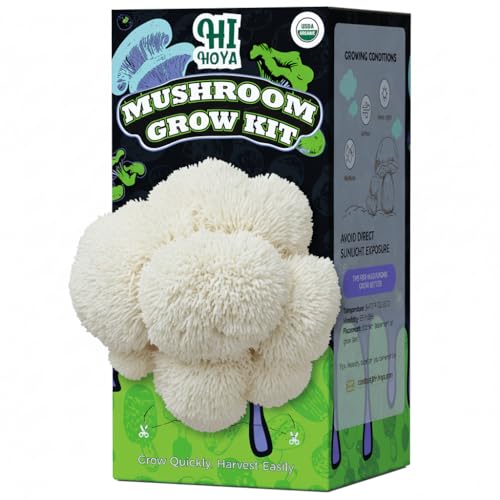
Best for beginners seeking certified organic options. This kit is USDA Organic and Non-GMO, with a simple misting regimen. It includes a grow guide to help new growers achieve steady results and up to 2-3 harvests per year. The kit is designed for year-round growing, so climate does not prevent fresh mushrooms. Use this when you want a straightforward, organic start to Lion’s Mane cultivation, especially in kitchens or small grow spaces. Caution: growth success depends on consistent humidity and proper misting.
Fungiworks USA Organic Lion’s Mane Kit
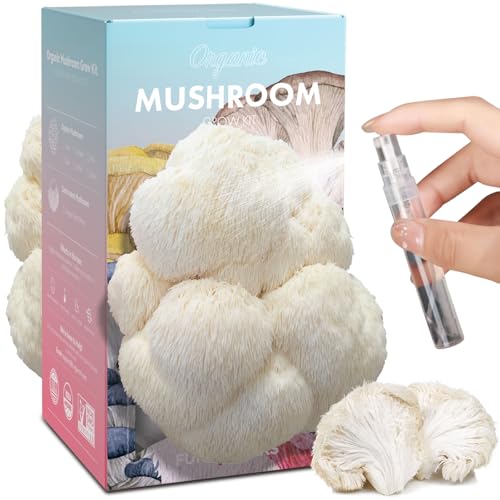
Best for families and shared spaces seeking higher yields. This dual-sided kit maximizes production, with up to 1.8 lbs in a single cycle and a 4 lb-plus option when used in multiple cycles. Made in the USA and USDA-certified, it emphasizes safe, non-GMO cultivation. Choose this if you want a larger single-cycle harvest and a kit that supports multiple fruiting sides. Limitation: it relies on proper environmental control; insufficient humidity can reduce yield.
Hodgins Harvest Organic Lion’s Mane Kit

Best for year-round indoor growing in a compact kit. This American-made kit includes a 3.5 lb live mycelium block and clear instructions. It supports 10–21 days to your first harvest, with temperature and humidity control playing a key role. It’s well-suited for kitchen counters or dedicated grow spaces. Caution: refrigerated storage may extend shelf life, but it’s best used fresh for best flavor and texture.
Myco Labs Lion’s Mane Grow Kit

Best for those seeking maximum yield and added growing accessories. This kit features a larger 5.5 lb fruiting block and a custom humidity tent with built-in filters to control airflow. It is suitable for beginners and experienced growers who want reliable results with multiple fruiting methods. Limitation: the larger size may require more space and attention to humidity management to maintain optimal conditions.
Oakland Mushroom Co. Lion’s Mane Grow Kit
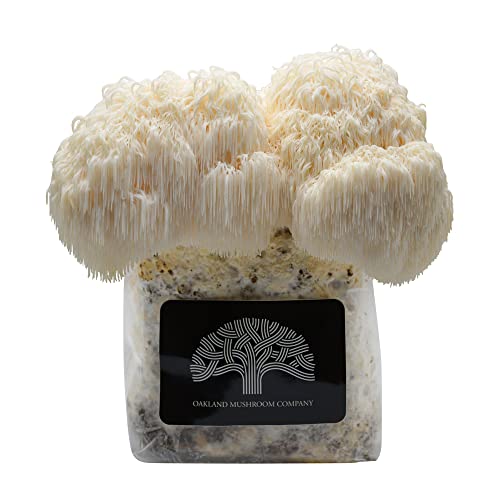
Best for growers seeking a ready-to-grow, 100% organic option with rapid results. The kit uses 50/50 hardwood oak pellets and soy hull pellets, plus a provided humidity bag to support fruiting in homes and greenhouses. Harvest can occur in 7-14 days depending on conditions. Choose this if you want an all-organic, compact kit with quick turns from inoculation to harvest. Limitation: results depend on consistent humidity and temperature.
Buying Guide: Lion’s Mane Grow Kit Essentials
Key considerations help you select the right Lion’s Mane kit for your space, budget, and goals. The following questions and answers address common buyer concerns.
- What is the main growth requirement for Lion’s Mane kits? Most kits need consistent humidity and a cool, stable temperature. If your space fluctuates widely in temperature or lacks a humidity source, choose a kit that includes a humidity tent or explicit temperature guidance.
- Which kit is best for beginners? Look for kits with straightforward misting instructions, a simple setup, and a clear harvest schedule. USDA Organic and non-GMO certifications are helpful but not essential for all buyers.
- Do you need extra equipment? Some kits include humidity domes, tents, or spray bottles. If not included, you’ll likely need a spray bottle and a simple humidity solution to keep the substrate moist.
- How much space is required? Compact kits fit on a kitchen counter or small shelf, while larger blocks may need a dedicated grow area. Consider your available room before purchasing a larger kit.
- What about yield and timeframe? Kits vary from 7–14 days to first harvest and 2–4 pounds per cycle. If you want frequent, steady harvests, choose a dual-sided or larger yield kit and plan for regular maintenance.
FAQ
- Are Lion’s Mane grow kits organic? Some kits specify USDA Organic and non-GMO ingredients, while others use standard organic methods. Check product features to confirm.
- How long does it take to harvest? Most kits produce first harvests within 7–21 days after proper setup and humidity management.
- Can I reuse the kit after harvest? Many kits yield multiple flushes in a cycle, but some blocks are designed for a single cycle only. Reuse depends on substrate quality and mycelium health.
- What space do I need for a grow kit? A kitchen counter, hobby room, or small closet can work. Avoid direct sunlight and extreme temperatures.
- Is Lion’s Mane safe to eat straight from the kit? Yes, after proper harvesting and cleaning, the mushrooms are edible. Always follow handling instructions on the kit.
- Do these kits require special equipment? Some kits include humidity tents or domes; others only require misting and a cool, shaded area. Plan to have a spray bottle ready.