Finding the right liner for planter boxes can protect your planters, improve soil containment, and keep roots thriving. This guide highlights five reliable liners that fit common window boxes, raised beds, and decorative planters. Each product is selected for durability, easy installation, and compatibility with outdoor use. Read on to compare materials, sizes, and practical benefits to help you choose the best liner for your garden setup.
| Product | Size / Fit | Material | Best For |
|---|---|---|---|
| HHTHH 24″ Coco Liner | 24″ long, 7″ wide, 7″ deep | 100% natural coconut fiber | Window boxes and hanging baskets |
| Longzhuo 63″ x 114″ Liner | 160cm x 290cm (63″ x 114″) | Non-woven fabric | Large raised beds and troughs |
| Winlyn 10 Pcs Plastic Liners | 16.2″ L x 3″ W x 3.5″ H each | Clear plastic | Indoor/outdoor window boxes and planters |
| Generic 12″ Plastic Liners | 10.5″ x 3″ x 3.5″ | Clear plastic | Wood boxes and small planters |
| HHTHH 36″ Coco Liner | 36″ long, 8″ wide, 8″ deep | 100% natural coconut fiber | Window boxes and deck planters |
HHTHH 24″ Trough Coco Liner for Window Box

The HHTHH 24″ trough coco liner is a pre-formed, replaceable coconut fiber liner designed to fit standard 24″ window boxes and hanging baskets. It provides natural water retention and aeration, helping maintain healthy moisture for flowering plants such as ivy, snapdragon, and chlorophytum. The liner is 100% natural coconut fiber, offering biodegradability and a sturdy fit to prevent soil loss. Ideal for seasonal planter renovations without bulky replanting.
Longzhuo 63″ x 114″ Raised Garden Bed Liner

This large non-woven fabric liner is designed for elevated garden beds and troughs. It allows water to drain while containing soil, reducing washout and soil loss. The liner measures 160 cm by 290 cm, which can be cut to smaller sizes for various planters or pots. It combines durability and breathability with a focus on environmentally conscious material choices, providing a safe, recyclable option for outdoor gardening projects.
Winlyn 10 Pack Plastic Planter Liners
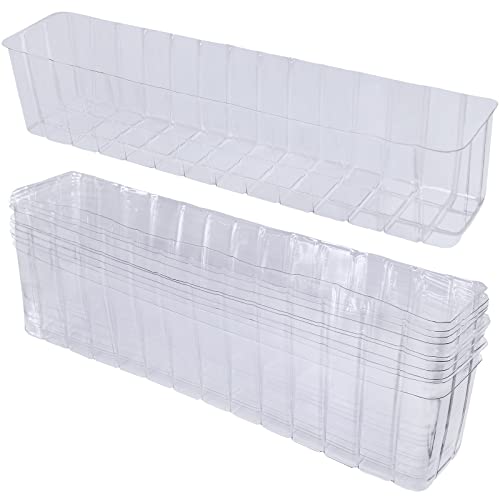
These clear rectangular plastic liners come in a pack of 10, suitable for indoor and outdoor use. The clear design makes it easy to monitor plant growth while protecting planter walls from water drainage. The liners feature a ridged design to increase sturdiness and can fit a 16.2″ long, 3″ wide, and 3.5″ tall opening, making them versatile for flower boxes, windowsills, and small planters that require easy replacement and maintenance.
Generic 12” Plastic Liners for Wood Boxes

This pack includes liners sized to fit 12″ planters. The transparent plastic design helps display plant growth while offering protection for the planter’s interior from excess moisture. The 10.5″ x 3″ x 3.5″ dimensions suit a variety of wooden boxes and window boxes, making them a practical option for quick liner replacements or seasonal planting setups.
HHTHH 36″ Coco Liner for Window Boxes
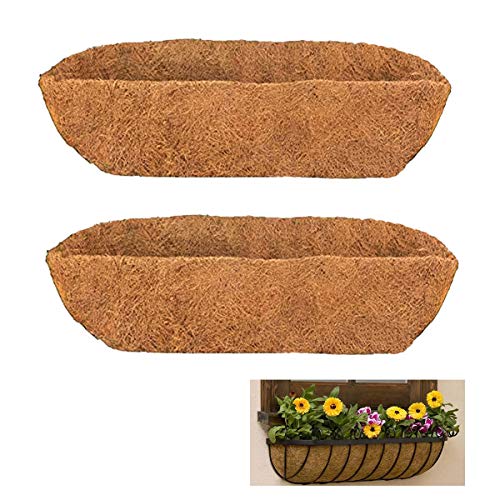
The 36″ coco liner from HHTHH is an extra-thick, pre-formed coconut fiber liner designed for larger window boxes, deck rail planters, and fence baskets. Made from natural coconut fiber, it offers robust moisture retention and aeration for vigorous plant growth. The pre-formed shape ensures a snug fit in most trough and planter configurations, reducing the need for trimming or additional securing hardware.
Buying Guide: Key Purchase Considerations
When selecting liners for planter boxes, consider the following factors to ensure a fit that supports plant health and long-term planter protection.
- Material and sustainability: Coco liners provide natural moisture retention and biodegradability, while non-woven and plastic liners offer durability and moisture control. Choose based on climate, watering habits, and environmental goals.
- Size and fit: Measure your planter box, trough, or railing basket before purchasing. Many liners come pre-formed for common dimensions, but larger or irregular planters may require cutting or adjustable liners.
- Water management: Liners should balance drainage with soil containment. Coco liners excel at moisture retention, while non-woven fabrics and plastic liners emphasize containment and quick drainage where necessary.
- Durability and reuse: Reusable liners in higher-wear outdoor spaces should resist tearing and withstand sun exposure. Consider thicker materials or reinforced edges for longevity.
- Maintenance: Look for liners that are easy to clean or replace. Plastic liners are simple to wipe, while coco fiber liners may require occasional rinsing and drying.
- Plant compatibility: Some liners are better suited for shallow-rooted plants, herbs, or flowers. Ensure the liner supports your intended plants and root depth.
- Environmental impact: Natural fibers like coco are biodegradable, appealing to eco-conscious gardeners. Non-woven fabrics and plastics offer durability but may require disposal considerations after use.
- Installation and securing: Pre-formed liners save time, but in some configurations you may need to secure liners with ties or clips to prevent shifting with watering.
- Cleaning and maintenance schedule: Establish a routine for inspecting liners after heavy rain or seasonal changes to prevent soil buildup and ensure consistent moisture.
In summary, the best liner choice depends on planter size, climate, and gardener goals. For decorative window boxes and hanging baskets, coco liners deliver natural moisture management and a tidy appearance. For raised beds and troughs, non-woven fabrics provide durable containment and effective drainage. Clear plastic liners offer visibility and ease of replacement, especially in versatile or modular setups. By matching liner material and size to your planter configuration, you can protect your containers, support healthy plant growth, and simplify ongoing care.