Choosing the right lime product can help correct acidic soil, boost nutrient uptake, and promote vibrant lawns and garden beds. This guide highlights five top lime options from trusted brands, each designed to raise soil pH, improve calcium availability, and support healthier plant growth. Whether you’re fertilizing vegetables, improving lawn color, or supporting container gardens, these lime products offer reliable performance and soil-friendly benefits for American lawns and landscapes.
| Product | Brand | Type | Key Benefit |
|---|---|---|---|
| Earth Science | Instant pH lift and long-lasting color | ||
| Cz Garden Supply | Adds calcium and magnesium; OMRI listed | ||
| GARDENWISE | Organic, fast-acting calcium carbonate | ||
| EarthIQ | Fast-acting, highly soluble calcium carbonate | ||
| Jobe’s Organics | Organic, OMRI-listed lime for lawns and beds |
Earth Science Fast Acting Lime
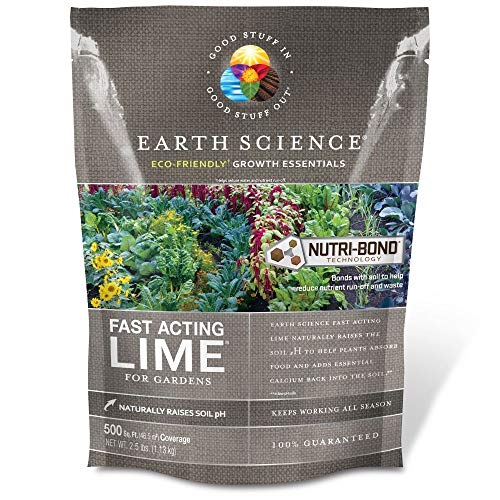
Fast Acting Lime raises soil pH quickly, enabling grass and other plants to absorb nutrients more efficiently. This product is designed to support long-lasting calcium replenishment, helping lawns regain color and vigor during the growing season. It’s particularly helpful when soil tests reveal a low pH, allowing plants to access essential nutrients and maintain robust growth.
Key considerations include its immediate soil impact and the potential need for follow-up pH monitoring to maintain the desired balance throughout the season. Users aiming for rapid pH adjustment and sustained color benefit may find this option especially effective for lawns and mixed garden beds.
Organic Dolomite Lime 5LB

Dolomite lime provides both calcium and magnesium, helping to raise and stabilize soil pH while enriching soil with essential minerals. This OMRI-listed option is suitable for organic production and container gardens, including Earthbox-style setups. It’s a solid choice when you need balanced micronutrient support alongside lime for improved plant vitality and bloom potential.
One consideration is that dolomitic lime may take a bit longer to fully react than some quick-acting granules, so strategic planning and soil testing are advisable to align corrections with the growing season.
GARDENWISE Organic Pulverized Garden Lime

This 100% organic lime is pulverized for rapid soil pH correction and enhanced nutrient uptake. It’s suitable for lawns, vegetables, and ornamental plants, with OMRI listing and USDA Organic approval. The product aims to improve fertilizer efficiency by delivering calcium carbonate quickly, supporting healthier root systems and stronger plant growth across diverse landscapes.
Users should consider application timing relative to rainfall to maximize soil penetration and ensure even distribution, especially in larger lawn areas or dense planting beds.
LimeIQ Liquid Lime

LimeIQ uses liquid calcium carbonate to deliver fast, uniform pH correction with minimal mess. The liquid formula is designed to penetrate quickly, balancing pH and improving nutrient availability across lawns and garden beds. Its high solubility helps ensure even coverage and quicker results compared with some granular products, making it a convenient option for large areas or irregular turf patterns.
Consider that liquid lime may require more frequent monitoring, since weather and irrigation can alter distribution and effectiveness. It’s ideal for homeowners seeking quick, scalable pH management without heavy equipment or heavy mixing.
Jobe’s Organics Garden Lime

Jobe’s Organics Garden Lime offers an organic approach with a formulation designed to reduce runoff and odors while increasing soil alkalinity. The product is OMRI-listed for organic gardening and provides a straightforward way to raise soil pH in lawns, herb gardens, and ornamental beds. This option is particularly appealing to those prioritizing environmentally friendly practices without synthetic additives.
For best results, align application with a soil test and avoid over-liming, which can lead to nutrient imbalances. Regular monitoring helps maintain optimal pH levels for diverse plant communities.
Buying Guide
Soil pH and lime choice are influenced by climate, soil type, and the plants you grow. Consider these perspectives to find the best fit:
- Soil testing and pH targets — Start with a test to determine current pH and target ranges for your lawn or plants. Different plants prefer different pH bands, so tailor your lime choice to crop needs and local conditions.
- Granular vs. liquid — Granular lime typically provides longer-lasting effects but may require more time to react, while liquid lime acts quickly but may need more frequent reapplication. Choose based on how fast you want results and how easily you can apply.
- Organic vs. synthetic — Organic options (OMRI-listed or USDA Organic-approved) are preferred for organic gardening or edible crops, while conventional options may offer rapid correction for lawns and ornamental beds.
- Calcium and magnesium balance — Dolomitic lime adds magnesium in addition to calcium, which benefits soils lacking these minerals. If your soil already has adequate magnesium, a straight calcium carbonate product might be sufficient.
- Particle size and coverage — Pulverized or finely ground lime disperses more evenly and reacts faster than coarse granules. Consider lawn size and application equipment when selecting particle size.
- Weather and irrigation — Plan lime applications around rainfall and irrigation to maximize contact with soil. Avoid applying before heavy rain if erosion could wash lime away from target areas.
- Long-term management — Regular soil monitoring helps prevent over-liming, which can lock out certain nutrients. Combine lime with steady fertility programs and fertilizer adjustments for best results.
- Safety and storage — Wear protective gear during handling and store lime sealed and dry to preserve effectiveness. Keep away from moisture-prone places to prevent clumping.
Choosing the right lime product involves aligning soil needs, plant goals, and practical application considerations. The options highlighted above cover a range of preferences—from fast-acting liquids to OMRI-listed organic powders—allowing you to tailor your approach to your lawn, garden, or container plant mix.