Growing tomatoes indoors requires reliable lighting that mimics natural sunlight across the full spectrum. The following handpicked LED grow lights are selected for tomato cultivation in small spaces, greenhouses, and grow tents. Each option offers full-spectrum output, timer features, and energy efficiency to support healthy vegetative growth, flowering, and fruiting. Use this guide to compare light intensity, spectrum balance, coverage, and installation ease to choose the best fit for your indoor tomato setup.
| Product | Spectrum/Key Features | Coverage |
|---|---|---|
| VIPARSPECTRA P700 Grow Light | 660nm red, 3000K & 5000K white spectrum; 11000 lumens; dimmable | 2×2 ft (vegetative) |
| GooingTop LED Grow Light | 6000K white with red LEDs; 5-level dimmable; timer 4/8/12 hrs | Adjustable via clamp/gooseneck |
| VIPARSPECTRA P1000 LED Grow Light | 660nm red, 3000K-5000K white, 730nm IR; low energy; silent cooling | 2.5×2.5 ft vegetative; 2×2 ft flowering |
| KingLED KP1000 | Full spectrum 460 nm blue, 660 nm red; three modes; up to 1560 umol/m²/s | 2×2 ft coverage (optimal) |
| DYMOND BoostGro | Full spectrum with 660nm red; 16W, 1900 lumens; easy hanging | 2 ft fixture line with linkable design |
VIPARSPECTRA P700 Grow Light

The VIPARSPECTRA P700 is designed for seedling and vegetative growth, delivering 11000 lumens with a balanced 660nm red and white spectrum (3000K and 5000K). The fixture features a fanless design with large aluminum heat sinks for effective heat dissipation, helping maintain stable light output and longevity. With 70W actual consumption, it is suitable for a 2×2 ft vegetative area, providing strong, uniform coverage for robust tomato seedlings and young plants. The dimmable capability allows tailoring intensity as plants mature.
GooingTop LED Grow Light
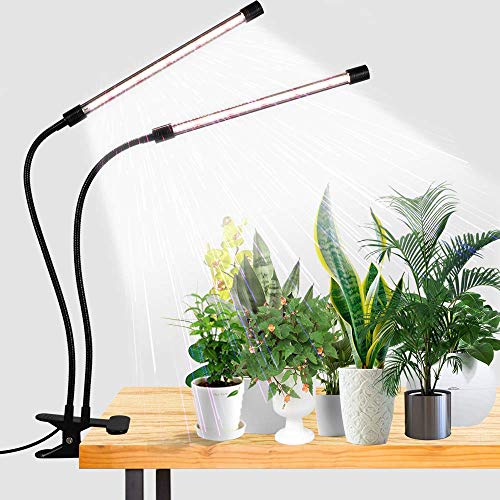
The GooingTop unit provides a 6000K white light with a set of red LEDs to mimic noon sunlight. High color rendering index (up to 95) enables better plant perception of light quality. Features include a timer with 4, 8, or 12 hours and a flexible Gooseneck with a strong clamp for versatile positioning. This makes it a practical option for compact grow spaces and for supplementing other lighting in a tomato setup, ensuring a stable day-night cycle and consistent daily light exposure.
VIPARSPECTRA P1000 LED Grow Light

The P1000 model combines full-spectrum output with a large aluminum heat sink and a silent driver, delivering efficient 100W performance that rivals traditional 250W lamps. It is well-suited for 2.5×2.5 ft vegetative zones and 2×2 ft flowering areas. The diode layout is optimized for higher PAR output, supporting vigorous growth from seedling to flowering stages for tomatoes. The light is designed for durability and long life in a compact form factor.
KingLED KP1000

The KingLED KP1000 provides a robust full-spectrum setup with 640 LEDs (blue, red, white, yellow) designed to deliver high PAR output for indoor growing, including tomatoes. Its 2×2 ft coverage, threeGrowth Modes (Veg, Bloom, Veg & Bloom), and energy-efficient 100W draw make it a versatile choice for controlling light intensity at different life stages. The combination of attractive spectrum balance and adjustable modes supports vegetative growth, flowering, and fruit set with efficient energy use.
DYMOND BoostGro LED Grow Light

DYMOND BoostGro offers a full-spectrum fixture with 16W power that yields 1900 lumens and 28.8 μmol/s (PPF). Designed for easy installation, it supports hanging or mounting with a 2 ft hanging cable and an inline switch for quick operation. While compact, it provides a strong red-enhanced spectrum to support sprouting, flowering, and fruiting phases in tomato plants within smaller setups or streams of supplementary lighting alongside larger fixtures.
Buying Guide: Key Purchase Considerations
- Spectrum balance: For tomatoes, prioritize full-spectrum lights that include blue, red, and some white light across 3000K-6500K ranges. Also consider far-red (730nm) if you are aiming to promote flowering and fruiting.
- PPFD and coverage: Look for higher PPFD output at the distance you typically position lights. Match the recommended coverage area (e.g., 2×2 ft, 2×2.5 ft) with your grow tent or shelf setup.
- Energy efficiency: Compare wattage to output (PAR/PPF). Modern LED fixtures often deliver similar or better yields with lower power usage than traditional HID lamps.
- Heat management: A quiet, fanless design helps reduce ambient heat, important in small spaces. If a cooler is not present, ensure proper ventilation to avoid heat stress on plants.
- Dimmer and timers: Dimmable drivers and programmable timers provide precise control over photoperiods, aligning with tomato growth stages and avoiding light stress during seedling stages.
- Installation flexibility: Adjustable goosenecks, clamps, or suspension kits make it easier to position the light for optimal canopy penetration and even coverage across the plant top.
- Durability and warranty: Choose fixtures with robust heat sinks and a reasonable warranty to protect your investment in a long-term indoor garden.
- Compatibility with existing setups: If you already use other equipment (fans, humidifiers, or grow tents), ensure new lights integrate smoothly without overcrowding the canopy.
Across tomato-focused growing, selecting a balanced spectrum with reliable coverage, energy efficiency, and flexible mounting will support vigorous foliage, flowering, and fruit development. The options above offer varied combinations of power, spectrum, and features to fit small spaces, multi-tier racks, or grow tents.